
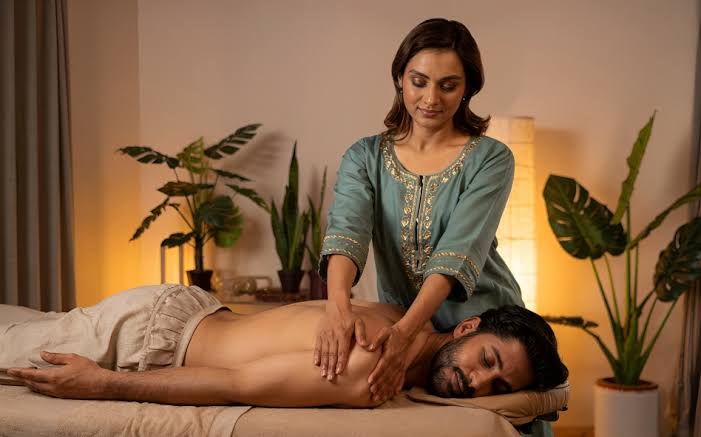
Thai healing therapy has gained worldwide recognition as a powerful approach to physical, mental, and emotional well-being. Rooted in centuries-old traditions, this unique healing system blends ancient techniques with modern wellness practices to create a holistic experience that supports overall health. Today, more people are turning to thai healing therapy not only for relaxation but also for pain management, stress reduction, flexibility improvement, and enhanced quality of life.
As wellness trends continue to evolve, thai healing therapy remains relevant because it successfully bridges traditional wisdom and contemporary healthcare approaches. By combining time-tested healing methods with modern understanding of the body and mind, this therapy offers a comprehensive path toward balance and vitality.
The Ancient Origins of Thai Healing Therapy
The history of thai healing therapy dates back more than 2,500 years. It is believed to have originated from a combination of traditional Thai medicine, Ayurvedic principles from India, and influences from Chinese healing practices. These systems were integrated into a unique therapeutic approach that focuses on restoring harmony within the body.
Traditional practitioners viewed health as a balance between physical, mental, emotional, and spiritual elements. When this balance was disrupted, discomfort and illness could occur. Thai healing therapy was developed to help restore this equilibrium through specialized techniques that stimulate energy flow throughout the body.
For generations, these healing practices were passed down through temples, communities, and skilled practitioners who preserved the knowledge and teachings of traditional Thai medicine.
Understanding the Core Principles
One of the defining aspects of thai healing therapy is its focus on energy pathways known as “Sen” lines. These pathways are believed to carry vital life energy throughout the body. Blockages or imbalances within these channels can lead to discomfort, fatigue, and various health concerns.
Practitioners use a combination of rhythmic pressure, stretching, and movement techniques to encourage the smooth flow of energy. Unlike many conventional therapies that focus solely on symptoms, thai healing therapy aims to address the underlying causes of imbalance.
This holistic philosophy aligns well with modern wellness concepts that emphasize prevention, self-care, and whole-body health rather than simply treating isolated issues.
How Traditional Techniques Support Modern Wellness
Modern lifestyles often involve long hours of sitting, high stress levels, limited physical activity, and constant exposure to digital devices. These factors can contribute to muscle tension, poor posture, mental fatigue, and reduced mobility.
Thai healing therapy offers solutions that directly address many of these modern challenges. The stretching techniques help improve flexibility and joint mobility, while targeted pressure work can relieve muscular tension and promote relaxation.
Many wellness professionals recognize that thai healing therapy complements contemporary health practices by supporting physical recovery, reducing stress, and encouraging better body awareness. This integration makes it an attractive option for individuals seeking natural ways to enhance their well-being.
Stress Relief and Mental Wellness
Stress has become one of the most common health concerns in today’s society. Chronic stress can affect sleep quality, mood, concentration, and overall physical health.
Thai healing therapy promotes deep relaxation by encouraging the body to shift into a calmer state. The gentle movements and rhythmic pressure techniques help reduce tension while creating a sense of mental clarity and emotional balance.
Many people report feeling refreshed, energized, and mentally focused after receiving thai healing therapy sessions. This makes it a valuable wellness practice for those managing demanding schedules and daily pressures.
Improved Flexibility and Mobility
One of the most distinctive features of thai healing therapy is its emphasis on assisted stretching. Practitioners guide the body through various stretches designed to increase range of motion and flexibility.
These techniques can benefit athletes, office workers, older adults, and anyone experiencing stiffness from daily activities. Improved flexibility often contributes to better posture, reduced muscle tension, and enhanced movement efficiency.
As modern wellness programs increasingly focus on mobility and functional fitness, thai healing therapy continues to serve as an effective complementary practice.
The Role of Mind-Body Connection
A growing body of wellness research highlights the importance of the mind-body connection in maintaining health. Mental and emotional states can significantly influence physical well-being, and vice versa.
Thai healing therapy recognizes this relationship by treating the individual as a whole rather than focusing solely on physical symptoms. Sessions often create an environment that encourages mindfulness, relaxation, and self-awareness.
This holistic approach aligns closely with contemporary wellness trends such as meditation, yoga, and mindfulness-based stress reduction programs. By fostering greater awareness of the body’s needs, thai healing therapy helps individuals develop healthier lifestyle habits.
Integration with Modern Healthcare Approaches
Today, many wellness centers, spas, rehabilitation clinics, and holistic health facilities incorporate thai healing therapy into their services. This growing acceptance reflects increasing recognition of the benefits associated with traditional healing practices.
While thai healing therapy is not intended to replace medical treatment, it is often used alongside conventional healthcare approaches to support recovery and improve quality of life. Many individuals find that combining traditional therapies with modern medical guidance creates a more comprehensive wellness strategy.
Healthcare professionals increasingly acknowledge the value of complementary therapies in promoting relaxation, reducing stress, and enhancing overall wellness outcomes.
Supporting Active Lifestyles
People who engage in regular exercise often seek methods to improve recovery and maintain flexibility. Thai healing therapy can help support active lifestyles by addressing muscle tightness, promoting circulation, and encouraging balanced movement patterns.
The combination of stretching and pressure techniques may assist in reducing physical tension that develops from repetitive activities or intense workouts. As a result, many fitness enthusiasts incorporate thai healing therapy into their regular wellness routines.
Why Thai Healing Therapy Continues to Thrive
The enduring popularity of thai healing therapy can be attributed to its ability to adapt to changing wellness needs while preserving its traditional foundations. Ancient healing wisdom remains highly relevant because it addresses universal aspects of human health, including balance, relaxation, movement, and energy.
Modern individuals are increasingly seeking natural, holistic solutions that support both physical and mental well-being. Thai healing therapy fulfills this demand by offering a personalized experience that promotes relaxation, flexibility, and overall harmony.
Its emphasis on prevention, self-care, and whole-body wellness aligns perfectly with contemporary health philosophies, making it a valuable practice for people of all ages and lifestyles.
Conclusion
Thai healing therapy represents a remarkable fusion of ancient knowledge and modern wellness principles. By combining traditional energy-based techniques, assisted stretching, and holistic healing philosophies, it provides a comprehensive approach to health and well-being.
As awareness of holistic wellness continues to grow, thai healing therapy remains a trusted practice that supports physical vitality, emotional balance, and mental clarity. Its ability to bridge centuries-old wisdom with contemporary health needs ensures that thai healing therapy will continue to play an important role in the evolving world of wellness for years to come.