
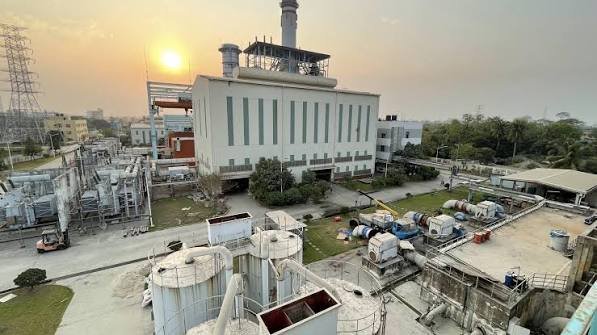
Boiler island systems are an essential part of many modern power plants and industrial energy facilities. They bring together the equipment and processes boiler island industrial applications required to convert fuel and water into steam that can be used for electricity generation, industrial heating, and other energy applications. Because boiler performance directly affects overall plant efficiency, reliability, and operating costs, careful planning and engineering of the boiler island is extremely important.
For organizations seeking dependable power-generation solutions, RUNH POWER provides engineering and power plant services designed around specific project requirements. A well-designed boiler island can support stable operation while helping plants make better use of fuel, manage emissions, and maintain consistent steam production.
Understanding the Boiler Island
The term boiler island refers to the group of systems surrounding the main boiler within a power-generation facility. Although the boiler itself is the central component, effective operation depends on numerous supporting systems working together.
These systems can include fuel handling, combustion equipment, feedwater systems, air and flue-gas systems, ash handling, steam systems, water treatment, instrumentation, and control equipment. The exact configuration depends on the type of fuel, boiler technology, plant capacity, and operating requirements.
In industrial applications, the boiler island must be designed as an integrated system rather than as a collection of separate machines. Coordination between individual components helps maintain appropriate pressure, temperature, airflow, fuel supply, and water circulation throughout the process.
Industrial Applications of Boiler Island Systems
Boiler islands are used in a wide range of industrial and power-generation environments. Their primary purpose is to produce steam efficiently and reliably, but the steam can serve different applications depending on the facility.
In power plants, steam generated by the boiler is supplied to the steam turbine system for electricity production. Stable steam conditions are important because fluctuations can affect turbine performance and overall electrical output.
Industrial facilities can also use steam for process heating. Manufacturing operations may require controlled steam for drying, heating, chemical boiler island advanced boiler materials processing, production, or other thermal applications. A properly engineered boiler island can provide the required steam conditions while supporting continuous production.
Combined heat and power facilities represent another important application. In these installations, steam can contribute to both electricity generation and useful industrial heat. This allows facilities to make more productive use of the energy contained in fuel.
Improving Fuel Utilization
Fuel consumption is one of the most important factors influencing the operating cost of a thermal power facility. Boiler island design therefore has a direct relationship with fuel utilization.
Efficient combustion requires the correct balance between fuel, air, temperature, and residence time. If combustion conditions are poorly controlled, fuel may not be utilized effectively, resulting in energy losses and potentially unstable operation.
Modern boiler island engineering focuses on maintaining suitable combustion conditions through coordinated equipment and control strategies. Proper fuel preparation, reliable fuel delivery, effective air distribution, and accurate monitoring can all contribute to improved thermal performance.
RUNH POWER can provide engineering solutions for power projects with different operating requirements, helping integrate boiler-related systems into a broader plant configuration.
Supporting Reliable Steam Production
Consistent steam production is essential for power generation and industrial processes. Changes in steam pressure or temperature can influence downstream equipment and may affect production stability.
A well-designed boiler island helps maintain predictable operating conditions by coordinating feedwater supply, fuel input, combustion air, and steam output. Instrumentation and control systems provide operators with information about important parameters, allowing operating conditions to be monitored and adjusted when necessary.
Reliability also depends on equipment selection and system layout. Components should be appropriately sized for the expected operating conditions, while maintenance access should be considered during the engineering stage. These factors can help reduce unnecessary interruptions and support long-term plant availability.
The Role of Feedwater Systems
Water quality and feedwater management are fundamental to boiler performance. Water entering a boiler must be treated and controlled appropriately to reduce boiler island manufacturers’ technological advantages the risk of operational problems.
Feedwater systems typically include pumps, control equipment, water treatment processes, and related components. Their purpose is to deliver water to the boiler at the required flow and pressure while maintaining suitable operating conditions.
Effective feedwater management can also support energy efficiency. In many applications, recovering available heat from different parts of the plant can reduce the amount of additional energy needed to bring feedwater to the desired condition.
Air and Flue-Gas Management
Combustion requires a controlled supply of air, while the resulting flue gas must be handled safely and efficiently. Air and flue-gas systems therefore form an important part of the boiler island.
Efficient airflow management helps maintain combustion conditions and can influence boiler efficiency. At the same time, flue-gas systems must transport combustion products through the appropriate treatment and discharge processes.
Good system integration allows airflow, combustion, heat transfer, and flue-gas handling to operate together. This can contribute to stable boiler performance and support environmental requirements applicable to the specific facility and location.
Automation and Process Control
Automation has become increasingly important in modern boiler island applications. A power plant contains many interconnected processes, and manual operation alone may not provide the level of precision required for efficient performance.
Control systems can monitor parameters such as steam pressure, temperature, water level, fuel flow, air flow, and other operating conditions. Based on programmed control strategies, equipment can respond to changes in demand and operating conditions.
Automation can also provide operators with useful information for identifying abnormal conditions. Early detection of deviations may help prevent larger operational issues and support more effective maintenance planning.
Maintenance and Long-Term Performance
Efficiency is not only determined by the original design of a boiler island. Regular inspection, maintenance, calibration, and equipment management are equally important throughout the operating life of a plant.
Heat-transfer surfaces, pumps, fans, valves, combustion equipment, instrumentation, and other components can experience wear over time. If performance degradation is not identified, it may increase fuel consumption or reduce steam production.
A structured maintenance program helps keep equipment operating within its intended performance range. Engineering support can also be valuable when a facility requires upgrades, modifications, capacity expansion, or improvements to existing systems.
RUNH POWER’s power plant engineering capabilities can support projects where reliable system integration and project-specific technical planning are required.
Boiler Island Solutions for Different Plant Requirements
Every power plant has different technical and commercial requirements. Fuel characteristics, capacity, steam conditions, site conditions, environmental requirements, and operating schedules can all influence boiler island design.
For this reason, standardized solutions may not always provide the most suitable configuration. Engineering should begin with an understanding of the plant’s objectives and operating environment.
RUNH POWER works on power-generation projects with a focus on engineering integration and project requirements. A coordinated approach can help ensure that the boiler island works effectively with other major plant systems.
Conclusion
Boiler island industrial applications play a major role in determining the efficiency, reliability, and overall performance of thermal power and industrial energy facilities. From fuel handling and combustion to feedwater management, steam production, automation, and maintenance, every part of the system contributes to plant operation.
An efficiently engineered boiler island can help improve fuel utilization, maintain stable steam production, support reliable operation, and provide a strong foundation for long-term plant performance. With project-specific engineering and integrated power plant solutions, RUNH POWER can support facilities looking to develop, upgrade, or optimize their power-generation systems.
As energy requirements continue to evolve, efficient boiler island design will remain an important consideration for organizations seeking dependable and productive industrial power solutions.