
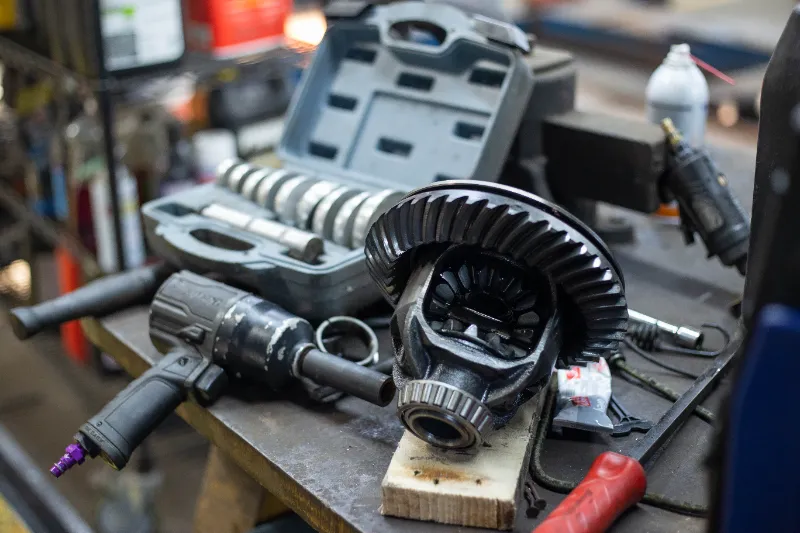
Choosing the right automotive repair facility can make a major difference when your vehicle begins showing transmission problems. The transmission is one of the most important systems in a vehicle because it transfers engine power to the wheels and allows the vehicle to shift smoothly between gears. When something goes wrong, choosing an experienced and trustworthy repair provider becomes essential.
For Phoenix drivers, there are many repair facilities to consider. However, not every shop offers the same level of expertise, equipment, communication, or customer service. Before handing over your vehicle, it is important to know what qualities separate a dependable transmission specialist from an ordinary repair shop.
Look for Specialized Transmission Experience
One of the first things to consider when choosing a transmission shop Phoenix is experience. Transmission systems are complicated, and diagnosing a problem correctly often requires specialized knowledge.
A reputable shop should have technicians who understand automatic, manual, continuously variable, and electronically controlled transmissions. Experienced technicians can identify whether a problem is caused by worn internal components, fluid issues, electronic sensors, solenoids, or another mechanical fault.
Ask how long the shop has been working on transmissions and whether its technicians receive ongoing training. Experience with different vehicle makes and models can also be valuable, especially if you drive a newer or specialized vehicle.
Check the Shop’s Diagnostic Capabilities
Modern vehicles depend heavily on electronic systems, and transmission problems are not always caused by visible mechanical damage. Warning lights, delayed shifting, slipping, or unusual behavior may result from electronic or computer-related issues.
A quality transmission shop should use modern diagnostic equipment to identify fault codes and evaluate transmission performance. However, professional diagnostics should involve more than simply connecting a scanner.
Technicians should combine computer information with visual inspections, road testing, fluid checks, and mechanical testing when necessary. This comprehensive approach can help prevent unnecessary repairs and ensure the actual cause of the problem is addressed.
Ask About the Inspection Process
Before authorizing major work, ask what the inspection includes. A trustworthy shop should be willing to explain its diagnostic process and tell you what was discovered.
You should also receive an explanation of the recommended repair and why it is necessary. Clear communication gives you greater confidence that you are paying for an appropriate solution rather than unnecessary services.
Consider the Shop’s Reputation
Reputation can provide useful insight into the quality of service you can expect. Before choosing a transmission shop Phoenix, look at customer reviews and ratings across multiple platforms.
Pay attention to recurring comments about communication, repair quality, pricing, turnaround time, and customer service. A few negative reviews do not necessarily indicate a bad business, but repeated complaints about similar problems may deserve attention.
Recommendations from friends, family members, coworkers, or other local drivers can also be valuable. People who have personally used a shop can often provide practical information that advertisements cannot.
Ask for Clear Pricing
Transmission repairs can range from relatively simple services to major rebuilds or replacements. Because of this wide range, pricing should be explained clearly before significant work begins.
A professional shop should provide an estimate that explains the recommended repairs, parts, labor, and other applicable charges. If additional problems are discovered after disassembly, the shop should communicate with you before performing substantial additional work.
Avoid choosing a shop solely because it advertises the lowest price. Extremely low estimates may sometimes indicate limited diagnostics, inexpensive components, or services that do not address the underlying issue.
Instead, compare estimates based on the overall value, including workmanship, parts quality, warranty coverage, and customer service.
Ask About Warranty Coverage
Warranty protection is another important factor when selecting a transmission repair facility. A reputable shop should be able to explain its warranty policy before beginning the work.
Ask whether the warranty covers parts, labor, or both. Find out how long the coverage lasts and whether there are specific conditions that could affect it.
Written warranty information is particularly useful because it allows you to understand exactly what protection is included with your repair.
Understand Parts Quality
The quality of replacement parts can affect the longevity of a transmission repair. Depending on the vehicle and repair, a shop may use new, remanufactured, rebuilt, or other approved components.
Ask which type of parts will be installed and why they are recommended for your vehicle. A professional technician should be able to explain the advantages and limitations of the selected components.
Evaluate Communication and Customer Service
Technical expertise is important, but communication matters too. A reliable shop should make it easy for customers to understand what is happening with their vehicle.
Pay attention to how staff answer your questions. Are they willing to explain the issue in simple language? Do they provide updates during the repair? Do they communicate changes to the original estimate?
Good customer service does not mean promising that every repair will be inexpensive or immediate. Instead, it means being honest, transparent, and respectful throughout the process.
Consider Phoenix Driving Conditions
Phoenix presents unique challenges for vehicles because of its hot and dry climate. High temperatures can place additional stress on vehicle fluids and components, making proper maintenance especially important.
A knowledgeable transmission specialist should understand how local driving conditions can affect vehicle performance. Frequent stop-and-go traffic, long commutes, heavy loads, and extreme heat may all influence maintenance needs.
Ask the shop about appropriate transmission fluid service intervals for your specific vehicle rather than relying on a generic schedule.
Look for Proper Shop Equipment
Transmission repairs can require specialized equipment, particularly when technicians are removing, rebuilding, or reinstalling a transmission.
A professional facility should maintain a clean and organized workspace and have appropriate diagnostic and repair equipment. While a modern building alone does not guarantee quality, professional equipment combined with experienced technicians can support accurate and efficient repairs.
You can also ask whether the shop performs transmission rebuilding in-house or sends major work to another facility. Knowing who is actually performing the repair can help you understand the service process.
Do Not Ignore Early Warning Signs
Selecting a reliable shop becomes much easier when you address transmission problems before they become severe. Signs such as slipping gears, delayed engagement, unusual noises, burning smells, fluid leaks, shaking during shifts, or difficulty changing gears should not be ignored.
Continuing to drive with a serious transmission problem may increase damage and potentially raise repair costs. If your vehicle begins behaving differently, having it inspected early can help determine whether the issue is minor or requires immediate attention.
Compare Several Repair Options
You do not necessarily have to choose the first shop you find. Comparing several reputable facilities can help you make a more informed decision.
Consider their experience, diagnostic process, estimates, warranties, customer reviews, communication, and expected turnaround time. The goal is not simply to find the cheapest repair but to find a shop that provides dependable workmanship and appropriate value.
A good transmission repair provider should make you feel comfortable asking questions before you approve the work.
Choose Quality Over Short-Term Savings
Transmission repairs can represent a significant automotive expense, so it is understandable to look for ways to save money. However, choosing a provider based only on price can sometimes lead to additional expenses later.
A properly diagnosed and professionally completed repair may provide better long-term value than a cheaper repair that fails prematurely. Look at the complete picture rather than focusing on one number.
Final Thoughts
Finding a reliable transmission shop Phoenix requires more than searching for the closest repair facility. Drivers should consider specialized experience, diagnostic capabilities, reputation, pricing transparency, warranty coverage, parts quality, customer service, equipment, and knowledge of local driving conditions.
Taking time to research your options before authorizing major transmission work can help you avoid unnecessary expenses and improve the likelihood of receiving a lasting repair. Whether your vehicle is experiencing slipping, delayed shifting, unusual noises, or another warning sign, selecting an experienced and transparent transmission specialist is an important step toward keeping your vehicle dependable on Phoenix roads.