
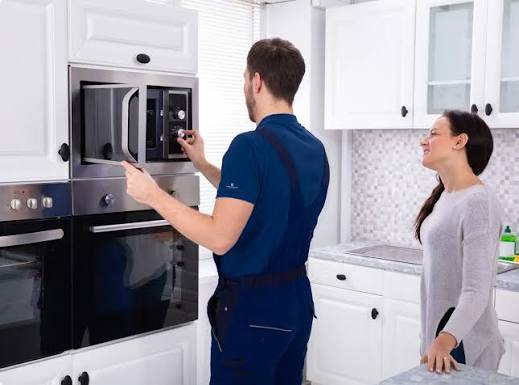
Installing home appliances at home can look simple at first, but in reality it often comes with unexpected issues that can delay the process or affect performance. From incorrect wiring to poor ventilation and uneven fitting, small mistakes during installation can lead to long-term problems. Understanding these common issues and how to solve them can save time, money, and stress.
This guide explores the most frequent problems encountered during home appliance installation and provides simple, practical solutions that homeowners can apply or understand before calling a technician.
Power and Electrical Connection Issues
One of the most common problems during home appliance installation is incorrect or unstable electrical connections. Many appliances such as air conditioners, refrigerators, and washing machines require stable voltage and proper wiring. If the connection is weak or incompatible, the appliance may not start or may shut down unexpectedly.
A simple solution is to always check the voltage requirements before installation. Using a dedicated power outlet instead of shared sockets reduces overload risks. In older homes, it may be necessary to upgrade wiring or install a circuit breaker to support modern appliances safely.
If the appliance still does not power on, inspecting the plug, fuse, and circuit breaker is a good first step before assuming a major fault.
Improper Placement and Space Limitations
Another frequent issue is placing appliances in unsuitable locations. Poor placement can affect performance, reduce efficiency, or even damage the appliance over time. For example, refrigerators placed too close to walls may not ventilate properly, while washing machines installed on uneven floors may vibrate excessively.
The solution is to carefully follow manufacturer guidelines for spacing and positioning. Always ensure there is enough clearance for airflow and maintenance access. Using leveling tools during installation helps stabilize appliances like washing machines and dryers.
In some cases, homeowners try to fit large appliances into tight or cluttered spaces, which leads to installation challenges. Planning the layout beforehand helps avoid these issues entirely.
Water Leakage Problems in Plumbing-Based Appliances
Dishwashers, washing machines, and water dispensers often face leakage issues during or after installation. This usually happens due to loose pipe connections, poor sealing, or incorrect hose placement.
To solve this, ensure all water inlet and outlet connections are tightly secured. Using high-quality rubber washers and checking for cracks in hoses can prevent leaks. After installation, running a short test cycle helps identify early leakage problems before they worsen.
Regular inspection of water connections also prevents long-term damage to flooring and nearby furniture.
Noise and Vibration Issues After Installation
Unusual noise or strong vibration is another common complaint after installing home appliances. This is especially common with washing machines, air conditioners, and kitchen appliances. The issue usually comes from uneven installation, loose parts, or improper mounting.
The simple fix is to ensure that all appliances are installed on flat and stable surfaces. Adjustable feet can be used to balance machines properly. For wall-mounted units like air conditioners, secure brackets must be tightly fixed to avoid movement.
If noise continues, checking internal components or calling a technician may be necessary, as it could indicate deeper mechanical issues.
Cooling or Heating Performance Problems
Air conditioners and refrigerators sometimes fail to cool or heat properly after installation. This is often due to incorrect gas levels, poor ventilation, or incorrect positioning of the unit.
The solution is to ensure proper installation by trained professionals who can handle refrigerant levels and system calibration. Blocking airflow around the appliance should also be avoided. In many cases, simply repositioning the appliance or cleaning air filters can improve performance significantly.
Interestingly, installation challenges can become more complex in unique environments. For example, in certain densely packed or heavily cluttered living spaces, such as ゴミ屋敷 エアコン 取付工事 situations, technicians must first clear airflow paths and assess structural safety before completing proper air conditioner installation. This makes professional assessment especially important in such environments.
Compatibility Issues with Existing Home Systems
Sometimes new appliances do not work properly with existing electrical or plumbing systems in the home. This can happen when upgrading older houses that were not designed for modern appliances.
The best solution is to check compatibility before purchasing or installing the appliance. This includes verifying pipe sizes, voltage ratings, and connection types. If incompatibility is discovered during installation, adapters or system upgrades may be required.
Consulting a professional installer can help identify these issues early and avoid unnecessary modifications later.
Improper Ventilation and Heat Build-Up
Many home appliances generate heat during operation, including ovens, dryers, and air conditioners. Without proper ventilation, this heat can build up and reduce efficiency or damage components.
To solve this, ensure appliances are installed in well-ventilated areas with proper air circulation. Vent hoses should be checked for blockages, and exhaust systems should be correctly aligned.
In kitchens and laundry areas, installing exhaust fans or improving airflow design can make a significant difference in appliance performance and safety.
Sensor and Control Malfunctions After Setup
Modern appliances often come with digital sensors and smart control systems. If these systems are not calibrated correctly during installation, they may show incorrect readings or fail to respond properly.
A simple solution is to reset the appliance after installation and follow the calibration steps provided in the user manual. Ensuring stable power supply also helps prevent sensor errors.
If issues persist, updating firmware or contacting customer support may be necessary, especially for smart home devices.
Door Alignment and Seal Problems
Refrigerators, ovens, and washing machines often face issues with door alignment after installation. Poor sealing can lead to energy loss, cooling inefficiency, or water leakage.
To fix this, check whether the appliance is level and adjust hinges or feet accordingly. Rubber seals should be inspected for damage or misplacement. Proper alignment ensures efficient operation and prevents long-term wear.
Conclusion
Home appliance installation may seem straightforward, but it involves several technical details that can easily lead to problems if overlooked. From electrical issues to ventilation and placement errors, each challenge has a simple solution when identified early.
Proper planning, careful installation, and awareness of common troubleshooting steps can significantly improve appliance performance and lifespan. Whether dealing with modern smart devices or traditional household machines, ensuring correct setup is the key to long-term reliability and efficiency.