
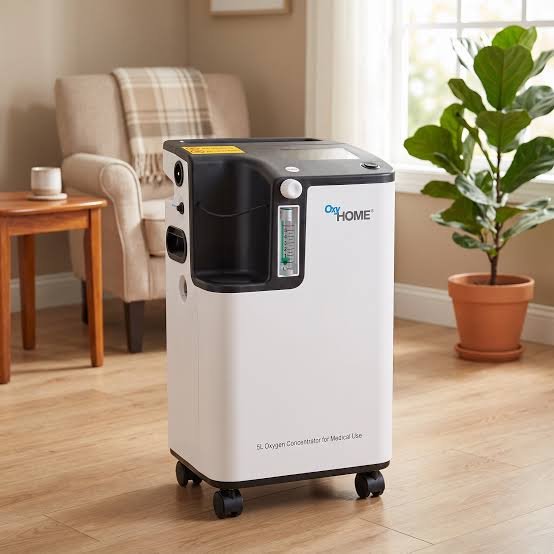
Creating a comfortable and practical space for a home oxygen concentrator can make daily routines easier and help keep essential equipment organized. A well-planned area should provide enough ventilation, convenient access to electrical power, and sufficient space around the device. Whether the concentrator is used occasionally or as part of a regular home routine, thoughtful placement can improve comfort and usability.
For families using a 家用氧氣機, the surrounding environment is an important part of creating a suitable setup. The goal is not simply to find an empty corner for the machine. Instead, the space should support easy movement, comfortable operation, and appropriate safety practices.
Choosing the Right Location
The first step is selecting a suitable location for the oxygen concentrator. A flat, stable surface or floor area is generally preferable. The machine should not be placed somewhere that makes it difficult to reach controls, tubing, or the power connection.
A bedroom, living room, or another frequently used area may be convenient depending on the person’s daily routine. If the equipment is primarily used while sleeping, positioning it near the bed can reduce the need to move around unnecessarily. However, it should remain far enough away to prevent accidental contact with the machine.
Avoid placing the concentrator in cramped cupboards, enclosed cabinets, or other spaces where air circulation may be restricted. The device requires adequate airflow for proper operation, so an open and uncluttered location is generally more practical.
Creating Adequate Airflow
Ventilation is one of the most important considerations when designing a space for a home oxygen concentrator. The machine draws in surrounding air and processes it to provide concentrated oxygen. Blocking its air intake or exhaust areas can interfere with normal operation.
Keep curtains, blankets, clothing, furniture, and other objects away from the ventilation openings. The manufacturer’s instructions should always be followed for the recommended clearance around the particular model.
A room with reasonable air circulation can make the equipment more comfortable to use. However, avoid placing the concentrator directly beside an open window where dust, moisture, or outdoor pollutants could enter the machine.
Keeping the Area Comfortable
Comfort matters because an oxygen concentrator may be used for extended periods. The surrounding area should therefore be designed around the person’s normal activities.
For a bedroom setup, consider placing a small table or stand nearby for personal items such as books, a phone, glasses, or a water bottle. This can reduce unnecessary movement during rest periods. In a living room, a side table or dedicated equipment stand can help keep the concentrator accessible without making the space feel cluttered.
The floor should also be kept clear of unnecessary objects. Tubing can create a potential tripping concern if it crosses walking paths. Organizing furniture and equipment so that tubing can follow a safe route is an important part of planning the area.
Managing Oxygen Tubing
Tubing should be long enough for normal movement without creating excessive loops or slack. Excess tubing can become tangled around furniture or create obstacles.
Consider the person’s usual movement patterns when arranging the room. If the individual moves between a bed and chair, for example, the tubing route should accommodate that movement while remaining as clear as possible.
Tubing should not be tightly compressed, sharply bent, or trapped underneath heavy furniture. Regularly checking the tubing for visible damage can also help maintain a reliable setup.
Electrical Access and Organization
A suitable electrical outlet should be available near the concentrator. Avoid stretching the power cord across busy walking areas. Keep electrical connections organized and follow the equipment manufacturer’s instructions regarding extension cords, power strips, and electrical requirements.
The concentrator should be connected according to the manufacturer’s guidelines. If the device has specific electrical requirements, those instructions should be followed rather than relying on assumptions about household power.
Keeping the power cord and tubing separate can also make the area easier to navigate. Simple organization can make a noticeable difference in a small room.
Keeping the Space Clean
Dust and dirt can accumulate around household medical equipment, so maintaining a clean environment is important. The area around the concentrator should be kept free from excessive dust, loose fabric, paper, and other clutter.
Cleaning procedures should follow the manufacturer’s recommendations. Filters and other serviceable components should be maintained according to the instructions provided with the equipment.
Avoid placing food, drinks, cleaning products, or unnecessary objects directly on or next to the concentrator. A dedicated area makes it easier to keep the equipment accessible and the surrounding environment orderly.
Considering Temperature and Humidity
The environment surrounding a concentrator can affect its operation. Extreme temperatures, excessive humidity, and poorly ventilated spaces may not be appropriate for many devices.
The manufacturer’s operating guidelines should be checked for the specific temperature and humidity ranges recommended for the equipment. Avoid placing the concentrator next to radiators, heaters, cooking appliances, or other sources of significant heat.
Likewise, areas exposed to water or excessive moisture should be avoided. A dry, stable indoor location is generally more practical for everyday use.
Maintaining Oxygen Safety
Oxygen supports combustion, so appropriate fire-safety practices are essential. Keep the oxygen concentrator and associated equipment away from cigarettes, smoking materials, open flames, candles, gas flames, and other ignition sources.
Household members and visitors should understand that smoking near oxygen equipment is unsafe. The manufacturer’s safety instructions should always be followed, including any guidance concerning distance from heat sources.
It can also be useful to make the equipment area clearly recognizable so household members know where the concentrator is located and can avoid accidentally moving or obstructing it.
Designing for Everyday Accessibility
Accessibility should be considered from the user’s perspective. Controls should be easy to reach, tubing should be manageable, and the machine should not require awkward bending or stretching to operate.
If the user has limited mobility, the setup may need additional planning. Furniture can be arranged to create a clear pathway, while frequently used items can be positioned within comfortable reach.
A small amount of planning can turn a basic equipment corner into a functional part of the home. The objective is to make regular use as straightforward as possible.
Making the Area Feel Like Home
Medical equipment does not have to dominate a room’s appearance. A carefully organized space can remain comfortable and visually pleasant.
A suitable stand, coordinated furniture, and thoughtful cable management can help the concentrator blend naturally into the room. Personal touches such as photographs, artwork, or comfortable seating can make the surrounding area feel less clinical.
The equipment itself should never be covered with decorative materials or anything that could restrict ventilation. Instead, focus on organizing the space around it.
Regularly Reviewing the Setup
Household needs can change over time. Furniture may be rearranged, mobility may change, or the concentrator may be used in a different room. For this reason, periodically reviewing the setup is worthwhile.
Check that airflow remains unobstructed, tubing follows a safe route, electrical connections remain appropriate, and the area is free from unnecessary clutter. Any unusual equipment behavior should be addressed according to the manufacturer’s instructions or by contacting an appropriate healthcare or equipment professional.
A well-designed area for a 家用氧氣機 combines accessibility, organization, ventilation, cleanliness, and safety. Rather than treating the concentrator as something that simply occupies floor space, homeowners can create an environment that supports comfortable everyday use. With thoughtful placement and regular attention to the surrounding area, the equipment can become an organized and practical part of the home.