
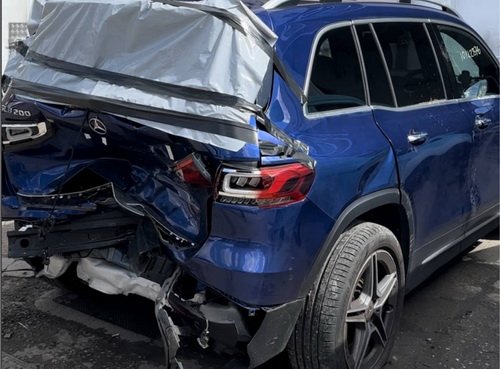
A vehicle collision can be stressful, even when the damage appears minor. From dents and scratches to damaged bumpers, lights, panels, and structural components, a proper repair requires careful evaluation. Before scheduling collision repair Tempe AZ, vehicle owners should take time to understand the damage, compare repair options, review costs, and select a qualified repair facility. Making an informed decision can help protect the vehicle’s safety, appearance, and long-term value.
Assess the Extent of Vehicle Damage
The first step before arranging repairs is understanding how serious the collision damage may be. Some problems are immediately visible, while others can remain hidden beneath the exterior. A vehicle may look acceptable after a low-speed accident but still have damage involving the frame, suspension, sensors, cooling system, or other components.
A professional inspection is therefore important. Technicians can evaluate both visible and concealed damage and determine which components need repair or replacement. Avoid assuming that a small dent automatically means the repair will be simple. Modern vehicles contain sophisticated safety and electronic systems that can be affected even when exterior damage seems limited.
Check Whether an Insurance Claim Is Necessary
Insurance coverage can significantly affect the repair process. Before scheduling collision work, review your policy and determine what types of accident damage are covered. Depending on the circumstances, your insurer may require an inspection, estimate, photographs, or other documentation.
It is useful to understand your deductible and potential out-of-pocket expenses before authorizing repairs. If the repair estimate is close to your deductible, paying directly may be worth considering in some situations. However, every insurance policy is different, so vehicle owners should review their specific coverage and discuss the claim process with their insurance provider.
Choose a Qualified Repair Facility
Selecting the right repair shop is one of the most important decisions in the process. Look for a facility with experienced technicians, appropriate equipment, and a reputation for quality workmanship. A professional repair center should be able to explain the recommended repairs clearly rather than simply presenting a price.
Experience with your vehicle’s make and model can also be valuable. Different manufacturers use different materials, construction techniques, safety systems, and electronic components. Technicians familiar with modern vehicle repair procedures are better positioned to restore the vehicle correctly.
Ask for a Detailed Estimate
Before approving collision repair, request a detailed written estimate. It should identify the work that is expected to be performed and distinguish between repair and replacement where appropriate. Depending on the damage, the estimate may include labor, parts, paint, materials, calibration, and other services.
Keep in mind that the initial estimate may change if hidden damage is discovered after the vehicle is disassembled. This is common with collision repairs because internal components cannot always be evaluated accurately from the outside. A trustworthy shop should communicate with you before performing significant additional work.
Consider the Quality of Replacement Parts
Replacement parts can influence both repair quality and overall cost. Depending on the vehicle and repair, options may include original equipment manufacturer parts, aftermarket parts, or recycled components. Each option can have different characteristics related to fit, appearance, availability, warranty, and price.
Ask the repair facility which parts are being recommended and why. Understanding the choices allows you to make a decision based on more than the lowest initial price. For important components, proper fit and compatibility can be particularly important for maintaining vehicle performance and safety.
Understand the Repair Timeline
Another factor to consider before scheduling collision repair Tempe AZ is how long the process may take. Repair times can vary substantially depending on the severity of damage, parts availability, paint work, insurance approvals, and the shop’s current workload.
Ask for an estimated completion date, but understand that it may change if additional damage is discovered. Parts delays can also extend the repair period. Clear communication with the repair facility can help you plan alternative transportation and reduce unexpected inconvenience.
Ask About Paint Matching and Bodywork
For vehicles with damaged exterior panels, paint quality is an important part of the finished result. Professional collision repairs should aim to restore the vehicle’s appearance as closely as possible to its pre-accident condition.
Ask how the facility handles color matching, blending, surface preparation, and finishing. Proper preparation is just as important as applying the paint itself. Poor preparation can lead to visible differences, uneven surfaces, or premature deterioration.
Consider Advanced Safety Systems
Modern vehicles often include cameras, radar, parking sensors, lane-assistance technology, automatic emergency braking, and other driver-assistance features. A collision can affect these systems even when they appear to function normally.
When scheduling repairs, ask whether any sensors or cameras could have been affected and whether calibration is required after repairs. Correct calibration can be an essential part of returning the vehicle to proper operating condition.
Review the Warranty
A repair warranty provides additional confidence after collision work is completed. Before authorizing repairs, ask what the shop’s warranty covers and how long it remains valid. Find out whether coverage applies to labor, replacement parts, paint, or other aspects of the repair.
Do not hesitate to ask questions if the warranty language is unclear. Understanding your coverage before work begins can prevent confusion later if an issue develops.
Evaluate Customer Service and Communication
The repair process is easier when communication is clear. A professional shop should provide updates about the vehicle’s progress and notify you if unexpected damage, parts delays, or cost changes arise.
Pay attention to how your questions are handled before scheduling the work. If a repair facility is willing to explain its process, provide documentation, and discuss your concerns, that can be a positive sign. Good communication is especially important when repairs involve insurance companies or unexpected complications.
Inspect the Vehicle Before Taking It Home
When the repairs are complete, take time to inspect the vehicle before leaving the facility. Check the repaired panels, paint finish, lights, doors, windows, and other affected areas. If possible, compare the repaired area with undamaged portions of the vehicle to identify obvious differences.
Also ask whether any warning lights remain active and whether necessary safety-system calibrations have been completed. Keep your repair documents, invoices, warranty information, and insurance paperwork in a safe place.
Make an Informed Decision About Collision Repairs
Scheduling collision repairs should involve more than finding the quickest or cheapest option. Vehicle owners should consider damage assessment, insurance requirements, repair quality, replacement parts, safety-system calibration, warranties, timelines, and communication.
Taking these factors into account before scheduling collision repair Tempe AZ can make the repair process more predictable and help ensure the vehicle receives appropriate attention. A careful approach can also help preserve the vehicle’s appearance, functionality, safety, and value after an accident.
Ultimately, the goal of collision repair is not simply to make damaged panels look better. Proper repairs should restore the vehicle as closely as practical to its pre-collision condition. By asking the right questions and choosing a qualified repair facility, drivers can move forward with greater confidence and get back on the road safely.