
Introduction
Sustainable packaging has become an important consideration for food businesses, restaurants, bakeries, cafes, and takeaway services. As consumers become more environmentally conscious, companies are looking for packaging solutions that protect food while reducing their environmental impact. Among the available options, Kraft food boxes have gained considerable popularity because of their natural appearance, practical design, and versatility. They provide an attractive way to package different food products while supporting more responsible packaging practices.
Packaging is more than simply a container for carrying food. It influences product presentation, customer experience, food protection, and brand recognition. Businesses need packaging that is convenient, durable, affordable, and suitable for their products. Kraft food boxes offer a combination of these qualities, making them a preferred choice for businesses seeking reliable and environmentally considerate alternatives to conventional packaging.
Understanding Kraft Food Packaging
Kraft packaging is generally manufactured using kraft paper, a material produced through a pulping process that creates strong and durable paper fibers. Its natural brown appearance gives it a distinctive, simple, and organic look that many customers associate with sustainability.
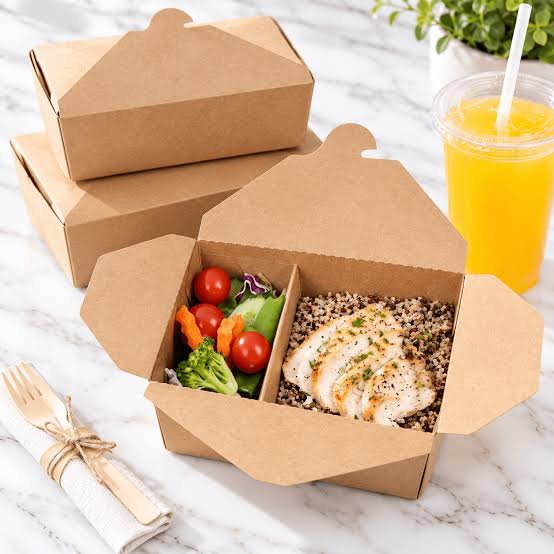
Kraft food boxes are available in different shapes, sizes, and designs to accommodate various food items. They can be used for burgers, sandwiches, bakery products, salads, snacks, desserts, and takeaway meals. Depending on their construction, they may include folding lids, locking tabs, ventilation openings, or grease-resistant coatings.
Their flexibility allows businesses to select packaging according to their specific requirements. Whether a small bakery needs boxes for pastries or a restaurant requires containers for takeaway meals, Kraft packaging provides several practical possibilities.
Why Sustainability Matters in Food Packaging
Environmental responsibility has become a significant part of modern business operations. Traditional packaging materials, particularly certain single-use plastics, can contribute to long-term waste and environmental pollution when they are not properly collected or recycled.
Businesses are increasingly exploring paper-based alternatives that can support waste reduction and responsible resource management. Kraft paper is often preferred because it can be recyclable when it is clean and does not contain unsuitable coatings, adhesives, or food contamination.
However, sustainability depends on several factors, including the source of the paper fibers, manufacturing methods, transportation, and disposal systems. Choosing responsibly sourced materials and providing appropriate recycling guidance can help businesses make better packaging decisions.
By incorporating Kraft food boxes into their packaging strategies, food companies can demonstrate their commitment to environmental awareness while meeting everyday operational needs.
Strength and Durability for Everyday Food Use
One of the most important advantages of Kraft packaging is its strength. Food containers must withstand handling, transportation, stacking, and storage without easily losing their shape. Kraft paper offers a durable structure that makes it suitable for many food packaging applications.
Well-designed boxes can protect food products from external pressure and help maintain their presentation during delivery. Strong folding structures and secure closures also reduce the likelihood of accidental opening while food is being transported.
Different thicknesses and paperboard grades are available depending on the intended application. Heavier products may require stronger board, while lightweight snacks and bakery items can often be packaged in thinner materials.
For restaurants and takeaway businesses, reliable packaging can improve customer satisfaction by helping food arrive in an organized and presentable condition.
Versatility Across Different Food Businesses
Another reason Kraft packaging has become popular is its adaptability. Food businesses operate across different industries, and each requires packaging that matches its products.
Kraft food boxes can serve numerous applications, including:
Restaurants and Takeaway Services
Restaurants use Kraft boxes for burgers, sandwiches, fried foods, wraps, and complete meals. Their practical construction makes them convenient for takeaway orders and food delivery operations.
Bakeries and Dessert Shops
Bakeries frequently use Kraft boxes for cookies, cupcakes, brownies, pastries, and other baked products. Their natural appearance complements handmade and artisan food items.
Cafes and Coffee Shops
Coffee shops can use smaller Kraft containers for sandwiches, muffins, snacks, and desserts. Coordinated packaging also helps create a consistent visual identity.
Catering Businesses
Catering companies require packaging that supports organized food presentation and convenient distribution. Different Kraft box sizes allow them to package individual portions, snacks, and selected meal items.
This versatility makes Kraft packaging a practical investment for businesses serving different customer groups.
Attractive Appearance and Branding Opportunities
Packaging plays an important role in how customers perceive a food business. An attractive container can make a product appear more professional and create a positive first impression.
The natural brown surface of Kraft paper offers a simple appearance that works well with modern branding styles. Businesses can add their logos, product names, contact information, and promotional messages through printing or labeling.
Custom designs help businesses create recognizable packaging without relying on complicated visual elements. Minimalist printing, natural colors, and clear typography can produce an appealing presentation.
For small businesses, branded Kraft boxes provide an opportunity to strengthen recognition while maintaining a consistent packaging identity. Customers may also associate natural-looking packaging with handmade products, organic ingredients, and environmentally responsible business practices.
Food Protection and Hygiene Considerations
Food safety is essential when selecting packaging materials. Containers must be suitable for their intended food applications and should help protect products from dust, handling, and other external contaminants.
Kraft packaging can be manufactured with food-contact-compatible materials and finishes. However, not every kraft paper product is automatically suitable for direct food contact.
For oily, moist, or hot foods, businesses should select boxes specifically designed for those conditions. Grease-resistant treatments, appropriate barrier layers, and suitable structural designs can improve performance.
It is also important to consider ventilation. Some hot foods release steam after cooking, and packaging with suitable ventilation can help reduce condensation and preserve texture.
Businesses should always check supplier specifications and applicable food-contact regulations before selecting packaging for commercial use.
Cost-Effectiveness for Growing Businesses
Managing packaging expenses is important for businesses of every size. Restaurants, bakeries, food manufacturers, and catering companies need packaging that provides dependable performance without creating unnecessary operating costs.
Kraft boxes are available in different sizes, materials, and purchasing quantities. This allows businesses to select options that match their budgets and packaging requirements.
Wholesale purchasing can help reduce the per-unit cost, particularly for businesses with consistent packaging demand. Ordering standardized sizes may also simplify storage and inventory management.
Additionally, custom printing can combine packaging and branding into one solution. Instead of investing in separate promotional materials, businesses can use their containers to communicate important brand information directly to customers.
Supporting Modern Consumer Expectations
Customers increasingly pay attention to the packaging used by their favorite food businesses. Many prefer companies that demonstrate environmental awareness and make thoughtful material choices.
Kraft packaging can help businesses communicate these values through its natural appearance and paper-based construction. However, companies should avoid making unsupported claims about environmental benefits. Recyclability, compostability, and biodegradability depend on the specific materials, coatings, local facilities, and disposal conditions.
Transparent communication helps build customer trust. Businesses can explain whether their packaging is recyclable or compostable and provide instructions for responsible disposal.
By choosing suitable packaging and communicating its benefits accurately, companies can create a stronger relationship with environmentally conscious customers.
Customization Options for Better Functionality
Modern packaging suppliers offer several customization options to meet different business requirements. Kraft boxes can be produced in various dimensions, shapes, and structural designs.
Businesses can select window openings to display products, secure closures to prevent accidental opening, and compartments to separate different food items. Some designs also include handles for easier carrying.
Printing options allow companies to incorporate logos, brand colors, product information, and marketing messages. Businesses can also choose different paperboard thicknesses depending on product weight and transportation requirements.
These customization possibilities make Kraft packaging suitable for both small independent businesses and larger food companies.
How to Choose the Right Kraft Food Boxes
Selecting the correct packaging requires careful consideration of product characteristics and business operations.
First, businesses should identify the type of food being packaged. Dry bakery products may require different containers from oily meals or refrigerated foods.
Second, the box dimensions should provide enough room for the product without allowing excessive movement. Proper sizing improves presentation and reduces unnecessary packaging material.
Third, businesses should evaluate strength, moisture resistance, grease resistance, and closure design. These features can influence packaging performance during storage and delivery.
Finally, supplier reliability is important. Companies should review material specifications, printing quality, minimum order quantities, certifications, and delivery arrangements before placing large orders.
Conclusion
The growing demand for responsible packaging has made Kraft food boxes an increasingly popular option across the food industry. Their natural appearance, practical strength, customization opportunities, and versatility make them suitable for restaurants, bakeries, cafes, catering companies, and takeaway services.
Beyond their visual appeal, these boxes can support more thoughtful packaging strategies when they are manufactured using responsibly sourced materials and designed for appropriate recycling or disposal systems.
As consumer expectations continue to evolve, businesses must consider packaging solutions that balance functionality, affordability, food protection, and environmental responsibility. By selecting high-quality Kraft packaging and working with reliable suppliers, food businesses can improve product presentation, strengthen brand identity, and respond to the growing interest in sustainable food packaging.