
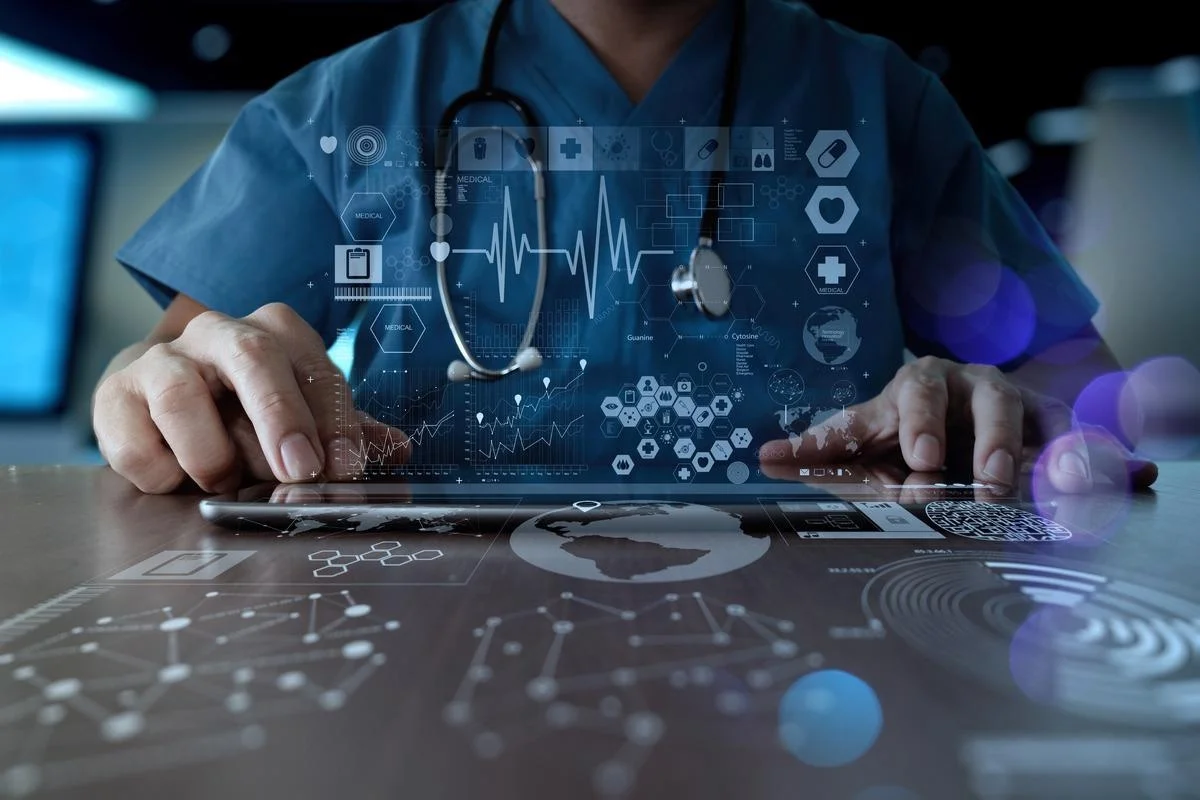
Healthcare accessibility remains one of the most significant challenges across the globe. Millions of people, especially those living in remote or underserved areas, struggle to receive timely medical care due to geographical barriers, limited healthcare infrastructure, and shortages of medical professionals. Fortunately, rapid advancements in technology are transforming the healthcare landscape and making quality medical services more accessible than ever before. From telemedicine and artificial intelligence to wearable devices and mobile health applications, tech health innovations are bridging healthcare gaps worldwide. Platforms such as ztec100 are increasingly highlighting the importance of integrating technology into healthcare systems to improve patient outcomes and accessibility.
The Growing Need for Accessible Healthcare
Access to healthcare is a fundamental human right, yet many communities continue to face significant obstacles. Rural populations often live far from healthcare facilities, while developing nations may lack adequate medical infrastructure and trained personnel. Even in developed countries, healthcare costs, long waiting times, and specialist shortages can limit access.
The rise of digital health technologies offers promising solutions to these challenges. Through innovative tools and connected healthcare systems, patients can now receive consultations, monitor chronic conditions, and access vital health information without physically visiting a medical facility. The role of platforms like ztec100 in promoting awareness about these technological advancements is becoming increasingly important in today’s digital age.
Telemedicine Revolutionizing Patient Care
Telemedicine has emerged as one of the most transformative healthcare innovations in recent years. By leveraging video conferencing, mobile applications, and internet connectivity, healthcare providers can deliver medical consultations remotely.
Benefits of Telemedicine
Telemedicine significantly reduces the need for travel, making healthcare more accessible for individuals living in rural or isolated regions. Patients can consult specialists from their homes, saving both time and money.
Additionally, telemedicine enhances continuity of care by enabling regular follow-ups for patients with chronic illnesses. This is especially beneficial for elderly individuals or those with mobility limitations.
During global health crises, such as pandemics, telemedicine also minimizes exposure risks while ensuring uninterrupted medical services. Many healthcare organizations featured by ztec100 have recognized telemedicine as a key driver of healthcare accessibility.
Expanding Specialist Access
Remote consultation platforms connect patients with specialists regardless of location. A patient in a small village can now seek expert advice from leading medical professionals located hundreds or even thousands of miles away.
This increased access to specialist care leads to earlier diagnoses, better treatment plans, and improved health outcomes.
Artificial Intelligence Enhancing Healthcare Delivery
Artificial intelligence (AI) is reshaping healthcare by improving diagnostic accuracy, streamlining administrative processes, and supporting clinical decision-making.
AI-Powered Diagnostics
AI algorithms can analyze medical images, laboratory reports, and patient data with remarkable speed and precision. Technologies powered by machine learning assist healthcare professionals in detecting diseases such as cancer, cardiovascular disorders, and diabetic complications at earlier stages.
Early diagnosis is particularly valuable in regions where access to experienced specialists is limited. AI tools can support frontline healthcare workers by providing diagnostic recommendations and reducing errors.
Organizations and healthcare technology observers, including ztec100, continue to monitor how AI is transforming medical practice globally.
Predictive Healthcare
AI systems can also predict disease outbreaks, identify high-risk patients, and recommend preventive interventions. Predictive analytics enables healthcare providers to allocate resources more efficiently and implement proactive care strategies.
As healthcare systems become increasingly data-driven, predictive technologies will play a critical role in improving accessibility and reducing healthcare disparities.
Mobile Health Applications Expanding Reach
Smartphone penetration has grown dramatically worldwide, creating new opportunities for mobile health, commonly known as mHealth.
Health Information at Fingertips
Mobile health applications provide users with instant access to educational resources, symptom checkers, medication reminders, and wellness tracking tools. Individuals can better understand their health conditions and make informed decisions about their care.
In many low-resource settings, mobile apps serve as valuable health education platforms, helping communities access reliable medical information.
Chronic Disease Management
Patients with chronic illnesses such as diabetes, hypertension, and asthma can use mobile applications to monitor their conditions, record symptoms, and communicate with healthcare providers.
Regular monitoring improves treatment adherence and reduces hospital admissions. Insights shared through platforms like ztec100 frequently emphasize the growing importance of mobile technologies in chronic disease management.
Wearable Devices Supporting Continuous Monitoring
Wearable technology has revolutionized personal healthcare by enabling real-time health monitoring.
Tracking Vital Signs
Devices such as smartwatches and fitness trackers continuously monitor heart rate, physical activity, sleep patterns, oxygen saturation, and other vital indicators.
Continuous monitoring empowers individuals to take greater control of their health while allowing healthcare providers to detect abnormalities early.
Remote Patient Monitoring
Remote patient monitoring systems are especially beneficial for patients with chronic diseases or post-surgical recovery needs. Data collected through wearable devices can be transmitted directly to healthcare professionals for ongoing assessment.
This approach reduces unnecessary hospital visits while ensuring timely medical intervention when needed. The healthcare technology ecosystem discussed by ztec100 increasingly highlights remote monitoring as a cornerstone of accessible healthcare.
Internet of Medical Things Creating Connected Healthcare
The Internet of Medical Things (IoMT) refers to interconnected medical devices that collect, transmit, and analyze patient data.
Connected devices facilitate seamless communication between patients, healthcare providers, hospitals, and caregivers. Examples include smart insulin pumps, connected blood pressure monitors, and wireless cardiac monitors.
IoMT enhances healthcare accessibility by supporting home-based care, reducing hospital congestion, and enabling personalized treatment plans. In underserved regions, connected devices can help extend healthcare services to populations with limited access to traditional facilities.
Blockchain Improving Health Data Security
Healthcare accessibility also depends on secure and efficient management of patient information. Blockchain technology offers a decentralized approach to storing and sharing medical records.
By enabling secure data exchange among healthcare providers, blockchain improves care coordination while maintaining patient privacy. Individuals can access and control their health information more easily, regardless of location.
Secure interoperability reduces duplication of medical tests and ensures that healthcare professionals have access to accurate patient histories, ultimately improving healthcare efficiency.
Overcoming Challenges to Global Healthcare Accessibility
Despite significant progress, several challenges remain. Limited internet connectivity, digital literacy gaps, cybersecurity concerns, and affordability issues continue to hinder widespread adoption of health technologies.
Governments, healthcare institutions, technology companies, and international organizations must collaborate to address these barriers. Investments in digital infrastructure, healthcare workforce training, and regulatory frameworks are essential for maximizing the benefits of health technology.
Public-private partnerships can also accelerate innovation and ensure equitable access to digital healthcare solutions worldwide.
The Future of Tech-Driven Healthcare
The future of healthcare accessibility lies in continued technological innovation. Emerging technologies such as 5G connectivity, robotics, augmented reality, and advanced genomics are expected to further transform healthcare delivery.
As digital ecosystems evolve, integrated healthcare platforms will offer increasingly personalized, efficient, and accessible services. Innovations highlighted by ztec100 demonstrate that technology has the potential to eliminate geographical barriers, reduce healthcare inequalities, and improve patient outcomes on a global scale.
Conclusion
Tech health innovations are fundamentally reshaping how healthcare services are delivered and accessed worldwide. Telemedicine, artificial intelligence, mobile applications, wearable devices, IoMT, and blockchain technologies are creating more inclusive healthcare systems that reach underserved populations.
While challenges remain, ongoing technological advancements and collaborative efforts promise a future where quality healthcare is accessible to everyone, regardless of location or socioeconomic status. As organizations and platforms like ztec100 continue to showcase emerging healthcare technologies, the global healthcare community moves closer to achieving universal healthcare accessibility.