
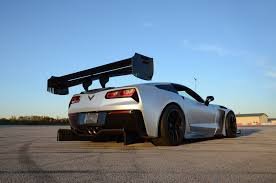
Choosing the right bodykits for your vehicle can completely change its appearance and give it a more personalized character. However, buying a bodykit is not simply about bodykits selecting the most attractive design. Materials, fitment, installation requirements, durability, and overall styling all play important roles in determining whether a kit is a good investment.
With so many options available, understanding the basics can help vehicle owners make an informed decision. This guide explains the key factors to consider when shopping for bodykits, from material selection to fitment and design.
Understanding Bodykits
Bodykits are collections of exterior components designed to modify the appearance of a vehicle. Depending on the kit, these components may include front bumpers, rear bumpers, side skirts, spoilers, diffusers, fender extensions, and other styling parts.
Some bodykits are designed mainly for visual enhancement, while others are inspired by motorsport or performance-oriented designs. The right choice depends on the vehicle, personal preferences, budget, and intended use.
Before purchasing a kit, it is important to understand exactly which components are included. Some packages contain a complete set of exterior parts, while others may only include selected pieces.
Choosing the Right Bodykit Material
Material is one of the most important considerations when purchasing bodykits. Different materials offer different advantages in terms of weight, flexibility, durability, appearance, and price.
Fiberglass Bodykits
Fiberglass is a popular material for aftermarket bodykits because it can be shaped into complex designs and is often more affordable than premium alternatives. It is relatively lightweight and can be finished with paint to create a smooth appearance.
However, fiberglass can be more brittle than flexible materials. A strong impact may cause cracks or damage, so careful installation and proper maintenance are important.
Polyurethane Bodykits
Polyurethane is known for its flexibility and resistance to minor impacts. This makes it a practical choice for drivers who regularly use their vehicles on normal roads.
Because polyurethane can flex without immediately cracking, it may be more forgiving when dealing with small bumps or uneven surfaces. The material can also provide a good balance between durability and styling.
ABS Plastic Bodykits
ABS plastic is another common option. It is lightweight, durable, and capable of producing consistent shapes. ABS components are frequently used for various automotive exterior accessories because they can offer a factory-style appearance.
When choosing between materials, consider your driving environment, budget, desired appearance, and how much flexibility you need from the components.
Why Fitment Matters
Even a high-quality bodykit can become disappointing if it does not fit the vehicle correctly. Fitment refers to how accurately aftermarket components align with the original body panels and mounting points.
Poorly fitting parts can create uneven gaps, misaligned edges, or installation difficulties. They may also require additional modification before they can be installed properly.
Always check the exact vehicle information before ordering. The make, model, production year, body style, and sometimes specific trim level can affect compatibility.
Vehicle-Specific Fitment
Vehicle-specific bodykits are generally designed around the dimensions of a particular model. These kits can make installation easier because their components are created with the vehicle’s body shape in mind.
Universal parts may require significantly more customization. While they can provide greater flexibility, they may not be suitable for buyers looking for a straightforward installation.
Checking Installation Requirements
Before purchasing, find out whether the kit can be installed using existing mounting points or whether additional brackets, drilling, trimming, or other modifications are required.
Understanding the installation requirements beforehand can prevent unexpected costs and delays.
Selecting the Right Design
Design is often the main reason people purchase bodykits. A well-designed kit can give a vehicle a sportier, more aggressive, elegant, or distinctive appearance.
The best design should complement the original shape of the vehicle rather than making the exterior look unbalanced.
Aggressive Styling
Aggressive bodykits commonly feature larger air intakes, sharper lines, extended side skirts, prominent spoilers, and more pronounced aerodynamic shapes. These designs can give a vehicle a performance-inspired appearance.
Subtle Styling
Drivers who prefer a cleaner look can choose subtle bodykits. Small bumper changes, understated side skirts, and simple spoilers can enhance the vehicle without dramatically changing its original character.
Widebody Designs
Widebody kits extend the vehicle’s bodywork and create a broader appearance. They can provide a distinctive visual effect and are often combined with wider wheels and tires.
However, widebody installations can involve more extensive modifications than standard bodykits. Buyers should consider installation complexity before choosing this style.
Consider Your Vehicle’s Original Appearance
A bodykit should work with the vehicle’s existing proportions, color, wheels, and other exterior features. Choosing components that complement the original design can create a more professional result.
For example, an extremely aggressive front bumper may look unusual when paired with completely standard side skirts and rear components. A balanced approach can make the overall design appear more intentional.
Consider whether you want a complete transformation or only a few modifications. Sometimes replacing one or two exterior components is enough to achieve the desired appearance.
Paint and Finishing
Most bodykits require preparation and painting before installation, especially when the components are supplied unfinished. Paint preparation may involve sanding, filling, priming, and other finishing work.
The quality of the final paintwork can have a major effect on the appearance of the completed project. Even an excellent bodykit may not look its best if the surface preparation or paint application is poor.
It is therefore worth including painting and finishing costs in the overall budget.
Installation Considerations
Installation is another important factor when buying bodykits. Some components can be fitted relatively easily, while others require professional automotive bodywork experience.
Professional installation can help ensure that panels are aligned correctly and securely attached. Experienced installers can also identify potential fitment problems and make appropriate adjustments.
If a kit requires cutting, drilling, reshaping, or other significant modifications, professional assistance is particularly valuable.
Budgeting for Bodykits
The purchase price is only one part of the total cost. Buyers should also consider shipping, painting, preparation, installation, additional hardware, and possible modifications.
A cheaper kit may become more expensive if it requires extensive correction work. Conversely, a higher-quality kit with better fitment may reduce installation time and additional expenses.
Creating a complete project budget before purchasing can help avoid unexpected costs.
Checking Quality Before Buying
When comparing bodykits, pay attention to the manufacturer’s reputation, material quality, product specifications, and customer feedback. Product photographs can be useful, but they do not always reveal important details about construction and fitment.
Look for clear information about compatible vehicle models and included components. If possible, check installation examples or reviews from other vehicle owners who have used the same kit.
Good product information can make the purchasing process much easier.
Maintaining Your Bodykit
After installation, proper maintenance can help preserve the appearance and condition of the components. Regular washing removes dirt and road contaminants that can affect painted surfaces.
Inspect the mounting points and exterior panels occasionally, especially after driving on rough roads. Small cracks, loose fasteners, or damaged sections should be addressed before they become larger problems.
Careful driving can also reduce the risk of damage to low front bumpers, side skirts, and other extended components.
Final Thoughts
Buying bodykits requires more consideration than simply choosing an attractive design. Material, fitment, installation requirements, finishing, compatibility, and overall styling all influence the final result.
Fiberglass can provide flexible design possibilities at a competitive price, while polyurethane offers useful flexibility and impact resistance. ABS plastic can provide another practical option for durable and consistent components.
Most importantly, choose a kit that matches your vehicle and your goals. By researching materials, checking precise fitment, considering installation costs, and selecting a balanced design, you can create an exterior upgrade that looks professional and suits your vehicle for years to come.