
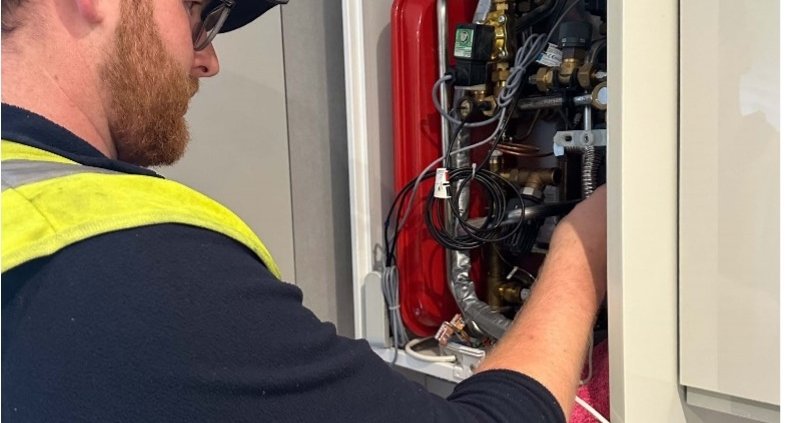
Reliable heating and hot water are essential for modern residential and commercial properties. In buildings that use Heat Interface Units (HIUs), regular servicing can help maintain system performance, identify developing problems, and support efficient property management. Because an HIU connects a property’s central heat network with individual heating and hot water systems, its condition can directly affect occupant comfort and day-to-day operations.
Scheduled HIU service London provides property owners, landlords, facilities managers, and building managers with a structured approach to maintenance. Rather than waiting for heating problems to become disruptive, planned servicing allows potential issues to be identified earlier and addressed as part of an organised maintenance programme.
Understanding the Role of an HIU
A Heat Interface Unit transfers heat from a centralised heat network into an individual property or dwelling. It can provide heating and domestic hot water without requiring a conventional individual boiler in every apartment.
The HIU contains several components that work together, including heat exchangers, valves, pumps, filters, temperature controls, and monitoring equipment. When these components operate correctly, the system can deliver heating and hot water consistently.
However, like any mechanical system, an HIU can experience wear, contamination, pressure problems, control faults, or component deterioration. Scheduled maintenance helps ensure these elements continue to work as intended.
Why Scheduled Maintenance Matters
Reactive maintenance typically begins after a fault has already affected residents or property operations. While emergency repairs remain important, relying entirely on reactive servicing can create avoidable disruption.
A scheduled HIU service London programme creates regular opportunities to inspect the system before minor concerns develop into larger faults. A technician can assess important components, review system performance, identify unusual operating conditions, and recommend corrective work where necessary.
This proactive approach can make maintenance more predictable. Property managers can plan appointments, communicate with residents, arrange access, and coordinate repairs without dealing with every issue as an unexpected emergency.
Identifying Early Signs of Wear
Small changes in HIU performance can sometimes indicate developing problems. Reduced hot water temperature, inconsistent heating, unusual noises, pressure changes, or slower response times may deserve investigation.
During a scheduled service, these symptoms can be discussed and assessed. Detecting a developing issue early may allow maintenance work to be completed before the problem causes a major interruption.
Supporting Consistent Heating Performance
Heating systems need to respond reliably to changing demand. In residential developments, demand can vary significantly throughout the day as occupants use heating and hot water at different times.
Regular servicing can help ensure key HIU components remain correctly maintained. Cleaning filters, checking valves, inspecting connections, and reviewing controls can contribute to dependable system operation.
Supporting Property Management
Property operations involve much more than maintaining physical equipment. Facilities teams must also manage budgets, contractors, resident communications, compliance documentation, access arrangements, and maintenance schedules.
A planned HIU service London programme can fit into this wider management structure. Service dates can be incorporated into annual maintenance calendars, allowing teams to coordinate HIU inspections with other property maintenance activities.
This organisation can also help property managers maintain clearer records. Service reports may provide useful information about the condition of equipment, work completed, and recommendations for future attention.
Making Maintenance More Predictable
Unexpected heating faults can create pressure for property managers. Emergency call-outs may require immediate contractor availability, resident communication, and urgent decision-making.
Scheduled servicing does not eliminate the possibility of unexpected faults, but it can provide a structured opportunity to identify issues before they become urgent. Planned maintenance can therefore make some operational costs and activities easier to anticipate.
Improving Communication With Residents
In apartment buildings, maintenance often requires access to individual properties. Advance scheduling allows residents to receive appropriate notice and understand why access is required.
Clear communication can make servicing appointments easier to manage. Property teams can explain that routine maintenance is intended to help maintain heating and hot water performance rather than waiting until a serious fault develops.
Checking Key HIU Components
An effective service should involve a systematic assessment of the HIU rather than simply addressing one visible symptom.
Depending on the equipment and manufacturer’s requirements, maintenance may involve checking filters, valves, heat exchangers, pumps, sensors, connections, controls, and operating temperatures. The technician can also look for signs of leakage, corrosion, unusual noise, or other abnormalities.
Filters and System Cleanliness
Debris and contamination can affect system performance. Filters may collect particles over time, potentially restricting flow.
Checking and cleaning appropriate components as part of scheduled servicing can help maintain suitable system operation. Any cleaning or replacement should be carried out according to the equipment manufacturer’s requirements.
Controls and Temperature Settings
Controls play an important role in heating and hot water performance. Incorrect settings or faulty sensors can contribute to inconsistent temperatures or inefficient operation.
During servicing, relevant controls and sensors can be assessed to determine whether they are responding appropriately. Identifying control-related concerns can help prevent unnecessary component replacement or repeated service calls.
Supporting Energy Efficiency
Heating efficiency is an important consideration for property owners because energy use affects operating costs as well as environmental performance.
A poorly maintained HIU may not operate as effectively as a correctly maintained system. Issues involving flow, temperature control, heat transfer, or components can influence performance.
Regular HIU service London can help property teams identify conditions that may be affecting efficiency. While servicing alone cannot guarantee lower energy bills, maintaining equipment correctly can support efficient operation and help identify performance problems that warrant further investigation.
Creating a Preventive Maintenance Schedule
The frequency of HIU servicing should be based on factors such as the equipment manufacturer’s recommendations, system design, property requirements, usage patterns, and the condition of the installation.
A preventive maintenance plan should record previous service dates, identified issues, completed repairs, recommended follow-up work, and the next scheduled inspection.
Keeping Accurate Service Records
Good documentation can provide valuable information over the lifetime of an HIU. Records can help property managers understand recurring problems, monitor maintenance history, and plan future work.
Service documentation may also support communication between facilities teams, contractors, landlords, and building management companies. When several properties are involved, consistent records become especially useful.
Managing Multi-Property Developments
Large residential developments may contain numerous HIUs operating across individual apartments. Managing these systems individually without a structured schedule can become difficult.
A coordinated HIU service London programme can help property managers organise inspections across multiple units. Maintenance teams can develop schedules that consider access requirements, resident availability, equipment condition, and previous service history.
This approach can provide greater visibility of the overall heating infrastructure and make it easier to prioritise units requiring additional attention.
Planning for Long-Term Reliability
Scheduled maintenance should be viewed as part of a wider property management strategy rather than an isolated technical task. HIUs are important components of a building’s heating and hot water infrastructure, so their condition can influence resident satisfaction and operational continuity.
Regular inspections allow property teams to build a clearer understanding of equipment performance over time. Recurring issues can be documented and investigated, while ageing components can be considered for replacement before they become critical.
Conclusion
Reliable property operations depend on well-maintained building systems, and heating and hot water are among the most important services for occupants. A planned HIU service London programme can support this reliability by providing regular inspections, early identification of developing problems, organised maintenance, and better service records.
For property owners and facilities managers, scheduled servicing can make maintenance more structured and predictable. By following appropriate manufacturer recommendations and maintaining accurate service schedules, building teams can support the long-term performance of HIUs while reducing avoidable disruption.
Ultimately, proactive maintenance is about preparing for potential problems before they interfere with everyday property operations. With a well-organised servicing programme, HIU systems can receive the attention they need to support dependable heating and hot water across modern properties.