
Outdoor activities often require access to reliable electrical power. Whether you are working in the garden, decorating a patio, operating outdoor tools, or setting up lighting, a dependable power connection can make the task easier and more convenient. However, outdoor environments expose electrical equipment to moisture, dust, temperature changes, and physical wear. This is why choosing the right extension cord is important. A weatherproof extension cord is specifically designed to provide safer and more dependable power access in outdoor conditions when used according to its safety rating and manufacturer instructions.
Understanding the Need for Outdoor Power
Many household electrical outlets are located indoors, while outdoor activities may take place far from the nearest power source. An extension cord bridges this gap by allowing electrical devices to operate where they are needed. However, an ordinary indoor extension cord may not be appropriate for outdoor use.
Outdoor environments can be unpredictable. Rain, humidity, sunlight, dirt, and changing temperatures can affect electrical equipment. A cord intended for outdoor applications generally uses insulation and construction designed to withstand tougher conditions. Selecting an appropriate weather-rated cord can therefore provide greater reliability and help reduce risks associated with unsuitable electrical equipment.
What Makes a Weatherproof Extension Cord Different?
A weatherproof extension cord is built with outdoor conditions in mind. Its outer insulation is typically designed to provide better resistance to moisture, abrasion, sunlight, and temperature variations than cords intended only for indoor applications.
The construction of the cord is particularly important. Outdoor cords may have durable jackets that can tolerate being moved across surfaces such as concrete, grass, decks, and soil. Their flexibility can also make them easier to position around outdoor work areas.
However, the term weatherproof should not be interpreted as meaning that a cord can safely remain submerged in water or be exposed to every possible condition. Users should always check the product’s specific rating and follow the manufacturer’s instructions.
Better Support for Outdoor Tools
Gardening and maintenance tasks frequently require electricity. Electric lawn equipment, hedge trimmers, drills, pressure washers, and other tools may need power beyond the reach of an indoor outlet.
A properly selected weatherproof extension cord can provide the necessary reach while supporting outdoor work. The cord should have an appropriate amperage rating for the connected equipment, and users should avoid exceeding its capacity.
Choosing the correct gauge is also important. Higher-powered equipment generally requires a cord capable of carrying the necessary electrical load without excessive voltage drop or overheating. Checking the tool’s requirements and the extension cord’s specifications before use is a simple but important safety step.
Useful for Outdoor Lighting
Outdoor lighting is another common application for extension cords. Homeowners may use temporary lighting for patios, gardens, walkways, celebrations, workshops, and seasonal decorations.
A suitable outdoor-rated cord can help provide power where permanent electrical installations are unavailable. Its durable construction can also make it better suited to outdoor environments where the cord may encounter dust, light moisture, or rough surfaces.
Even when using outdoor-rated equipment, connections should be kept away from standing water whenever possible. Outdoor electrical connections should also be protected using appropriate ground-fault protection where required.
Supporting Smart Outdoor Power Management
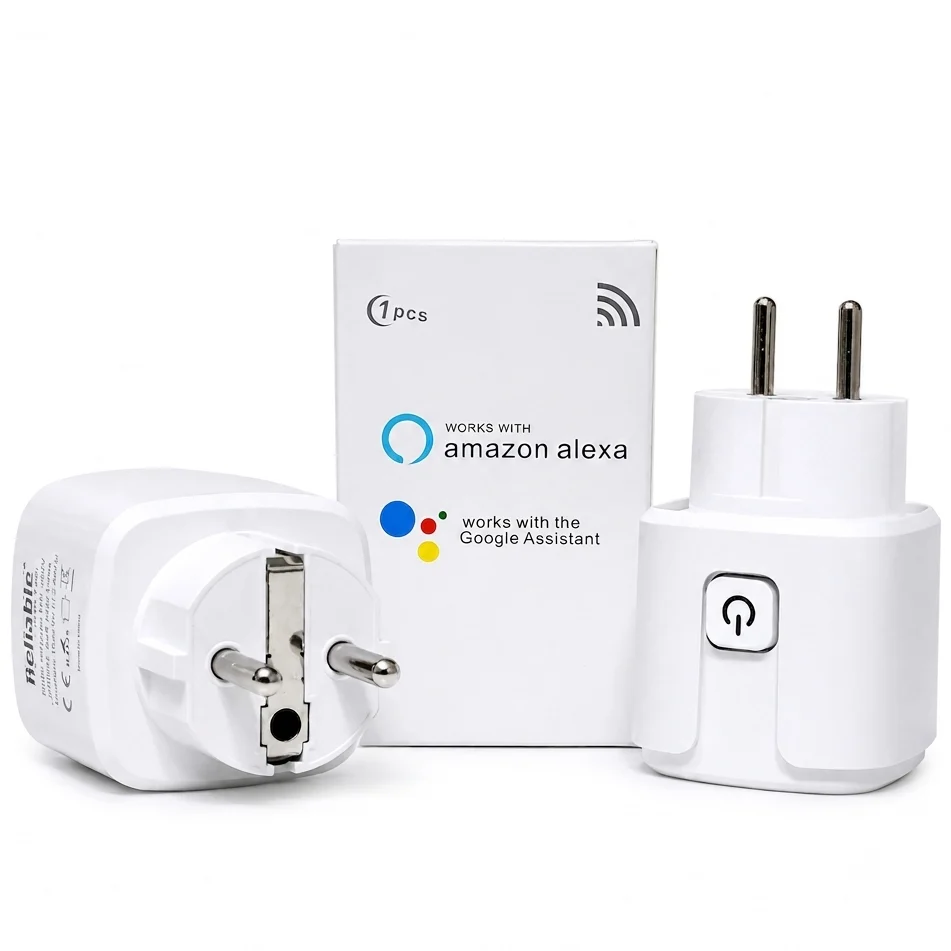
Modern outdoor power setups are increasingly connected with energy-monitoring technology. A Smart Plug Energy Monitor can help users understand how much electricity compatible devices consume when connected through the appropriate monitoring setup.
For example, someone operating outdoor lighting or other electrical equipment may want to track usage over time. Energy monitoring can provide useful information about consumption patterns and help identify equipment that uses more electricity than expected.
A Smart Plug Energy Monitor is not a substitute for an appropriately rated outdoor extension cord or electrical safety device. Users should make sure that any smart plug or monitoring equipment is specifically approved for the intended environment before using it outdoors.
Important Safety Considerations
Using an outdoor extension cord correctly is just as important as selecting the right product. Before every use, inspect the cord for cuts, exposed wires, damaged insulation, bent connectors, or other signs of wear.
Never use a damaged cord. Electrical equipment with visible damage should be removed from service until it can be properly repaired or replaced.
It is also important to avoid creating unnecessary trip hazards. Cords should be positioned carefully and kept away from walkways whenever possible. They should not be buried, covered, or routed in a way that could cause heat to accumulate unless the product and installation method specifically allow it.
Choosing the Right Length and Gauge
Extension cords are available in different lengths and wire gauges. Selecting the correct combination depends on the intended application.
A longer cord can provide greater flexibility, but excessive length can contribute to voltage drop, particularly when powering high-demand equipment. A heavier-gauge cord may be appropriate for tools that require more current.
Instead of simply choosing the longest or thickest cord available, users should consider the electrical requirements of their equipment, the distance involved, and the manufacturer’s recommendations.
Weather Resistance and Long-Term Durability
Outdoor equipment often experiences repeated exposure to changing conditions. A cord that is frequently moved, rolled, unrolled, and stored outdoors can experience considerable physical stress.
A durable outdoor-rated cord can be a worthwhile investment because it is designed with these challenges in mind. Proper storage can further extend its useful life. After use, the cord should be cleaned when necessary, allowed to dry appropriately, and stored in a suitable location away from excessive heat, moisture, and direct sunlight when not designed for prolonged exposure.
When a Weatherproof Extension Cord Is the Better Choice
A weatherproof extension cord is especially useful when electrical power is needed temporarily in outdoor areas. It can support gardening, construction tasks, outdoor entertainment, temporary lighting, seasonal decorations, and many other activities.
The key is matching the cord to the application. A cord suitable for low-power lighting may not be appropriate for a high-powered outdoor tool. Similarly, an outdoor-rated cord does not eliminate the need for proper electrical protection.
Users should always consider the equipment’s power requirements, environmental conditions, cord rating, and applicable safety guidance before connecting devices.
Conclusion
A weatherproof extension cord can be an essential accessory for convenient outdoor power. Its outdoor-oriented construction provides better resistance to environmental conditions than cords designed solely for indoor applications, making it useful for tools, lighting, maintenance equipment, and temporary outdoor setups.
Choosing the correct length, gauge, and electrical rating is essential for dependable operation. Regular inspection, careful placement, proper storage, and appropriate ground-fault protection can further improve safety. For users interested in monitoring electricity consumption, a compatible Smart Plug Energy Monitor can add another layer of visibility to energy use when used within its approved specifications.
Ultimately, the best outdoor power setup combines suitable equipment with responsible usage. A properly selected weatherproof extension cord can provide the flexibility needed for outdoor projects while helping users maintain a more reliable and organized electrical environment.