
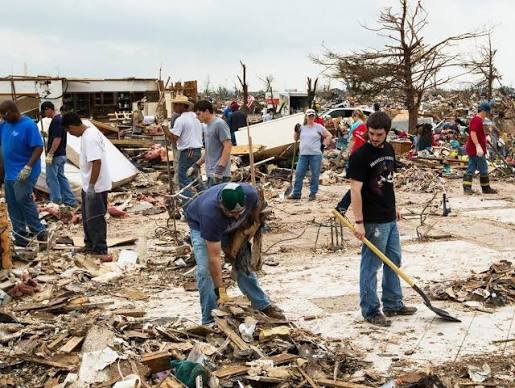
Disasters can happen unexpectedly and cause significant damage to residential, commercial, and industrial properties. From floods and fires to severe storms, sewage backups, and other emergencies, property damage can disrupt daily routines, threaten safety, and create expensive repair challenges. Effective disaster cleanup disaster cleanup is essential for removing hazards, preventing additional damage, and restoring affected spaces to a safe and functional condition.
Understanding the disaster cleanup process helps property owners make informed decisions during stressful situations. With proper planning, professional assistance, and appropriate restoration methods, it is possible to recover more efficiently and protect the long-term value of a property.
Understanding the Importance of Disaster Cleanup
Disaster cleanup involves removing debris, addressing contamination, drying affected areas, cleaning damaged surfaces, and preparing a property for restoration. The exact process depends on the type and severity of the incident.
For example, water damage may require water extraction and structural drying, while fire damage can involve soot removal, odor control, and the assessment of heat-damaged materials. Storm damage may require debris removal, temporary protection, and repairs to damaged roofs, windows, or exterior walls.
Prompt and appropriate cleanup is important because delays can make existing problems worse. Moisture can encourage mold growth, smoke residues may continue affecting indoor air quality, and exposed structural components can deteriorate when left unprotected.
A well-organized disaster cleanup plan helps reduce these risks while creating a clear path toward recovery.
Common Types of Disasters That Require Cleanup
Different emergencies create different restoration challenges. Identifying the type of damage is an important first step in choosing the appropriate response.
Water and Flood Damage
Water damage can result from burst pipes, leaking appliances, roof failures, heavy rainfall, or flooding. Standing water can damage flooring, drywall, furniture, electrical systems, and other building components.
Disaster cleanup professionals assess the affected areas, remove water where appropriate, and use suitable drying equipment to address moisture trapped inside building materials. Floodwater may also contain sewage, chemicals, or other contaminants, making professional assessment especially important.
Fire and Smoke Damage
Fire can damage a property through flames, heat, smoke, and the residues left behind after the incident. Even areas that were not directly burned may experience smoke odors, soot deposits, and contamination.
Fire damage restoration typically includes an assessment of structural safety, removal of damaged materials, cleaning of salvageable belongings, and treatment of affected surfaces. Specialized methods may also be needed to address persistent smoke odors.
Storm and Wind Damage
Severe storms can cause broken windows, damaged roofs, fallen trees, water intrusion, and scattered debris. These problems can expose the interior of a building to further weather damage.
Cleanup may involve removing debris, securing openings, documenting losses, and arranging necessary repairs. Professional inspection is important when structural components may have been weakened.
Sewage and Contamination Events
Sewage backups and certain contamination incidents can introduce harmful microorganisms and hazardous substances into a property. These situations require appropriate protective equipment, controlled cleanup procedures, and proper waste disposal.
Property owners should avoid direct contact with contaminated materials and seek qualified assistance when the extent of contamination is uncertain.
Essential Steps in the Disaster Cleanup Process
A systematic approach helps ensure that important restoration tasks are completed in the correct order.
1. Assess the Situation and Prioritize Safety
Before beginning cleanup, determine whether the property is safe to enter. Fire-damaged structures, unstable walls, contaminated floodwater, damaged electrical systems, and possible gas leaks can present serious hazards.
Follow instructions from emergency services and relevant authorities. Do not enter restricted or structurally unsafe areas simply to retrieve belongings.
Once the site is considered safe, a professional restoration team can inspect the damage, identify immediate concerns, and establish a suitable cleanup plan.
2. Document the Damage
Photographs, videos, receipts, and written records can help property owners understand the extent of the damage and support insurance claims.
Document affected rooms, damaged belongings, visible water levels, and structural problems when it is safe to do so. Keep records of emergency services, restoration work, and related expenses.
Before disposing of damaged possessions, check the insurance company’s documentation requirements unless immediate removal is necessary for safety reasons.
3. Prevent Further Property Damage
After a disaster, protecting the property from additional harm is a priority. Depending on the situation, this may involve arranging emergency roof protection, covering broken windows, or shutting off affected utilities through safe and authorized procedures.
Temporary protection should be appropriate for the damage and must not expose occupants or workers to additional risks. Professional contractors can help determine which emergency measures are necessary before permanent repairs begin.
4. Remove Debris and Contaminated Materials
Debris removal creates space for inspection, cleaning, and restoration. Damaged furniture, building materials, and other waste should be evaluated before removal to determine whether they can be safely cleaned, salvaged, or must be discarded.
Contaminated materials require particular care. Appropriate protective equipment, containment procedures, and disposal methods help reduce exposure and prevent contaminants from spreading into unaffected areas.
5. Clean, Dry, and Decontaminate Affected Areas
Cleaning methods vary according to the type of disaster. Water-damaged spaces may require professional drying and moisture monitoring, while fire-damaged surfaces may need specialized soot removal and odor treatment.
Where contamination is present, qualified professionals select suitable cleaning and disinfection methods. Simply removing visible dirt or applying fragrance products does not necessarily eliminate underlying hazards.
A thorough inspection helps confirm whether affected areas are ready for repairs and safe reoccupation.
6. Repair and Restore the Property
The final restoration stage focuses on returning the property to a functional condition. Repairs may include replacing damaged drywall, installing new flooring, repairing electrical or plumbing systems, repainting surfaces, and restoring other building components.
Work should be completed by appropriately qualified contractors, especially when structural, electrical, or plumbing repairs are involved. Before restoration is considered complete, the property should be inspected to confirm that outstanding hazards and moisture problems have been addressed.
Why Professional Disaster Cleanup Services Matter
Although minor incidents may be manageable with ordinary cleaning, major disasters often require specialized equipment, technical knowledge, and coordinated restoration work.
Professional disaster cleanup services can provide trained personnel, moisture detection equipment, commercial drying systems, protective gear, and appropriate contamination-control procedures. Experienced teams can also coordinate different stages of restoration, helping property owners avoid unnecessary delays.
Another important benefit is proper damage assessment. Some problems, including moisture inside wall cavities or damage to concealed building components, may not be immediately visible. Professional inspections can identify these concerns before they lead to more extensive repairs.
When selecting a restoration company, review its experience with the relevant disaster type, insurance documentation practices, service scope, references, and any required licenses or certifications. Ask for a written estimate and clarify which services are included.
Practical Tips for a More Efficient Recovery
Property owners can improve the recovery process by following a few important practices.
First, keep a record of all communications, expenses, inspection findings, and restoration activities. Organized documentation makes it easier to coordinate contractors and communicate with insurers.
Second, prioritize urgent safety concerns rather than cosmetic repairs. Structural stability, electrical hazards, contamination, and moisture control should be addressed before decorative improvements.
Third, avoid attempting specialized cleanup without the necessary training and equipment. Floodwater contamination, extensive soot residues, suspected hazardous materials, and significant mold problems may require qualified professionals.
Finally, communicate regularly with restoration contractors. Understanding the expected schedule, repair priorities, and remaining tasks helps property owners plan alternative accommodation or business operations when necessary.
Preventing Future Disaster Damage
Although not every disaster can be prevented, routine maintenance and preparation can reduce the likelihood of certain problems and improve recovery.
Inspect roofs, gutters, plumbing connections, and drainage systems regularly. Repair leaks promptly and ensure that water can drain away from the building where possible. Maintain appropriate smoke alarms and follow fire-safety recommendations.
Property owners in areas vulnerable to flooding or severe weather should understand local emergency guidance and develop a practical preparedness plan. Keeping important documents accessible, identifying emergency contacts, and knowing how to shut off utilities safely can also make a difference.
Commercial property managers should review emergency procedures with employees and maintain clear arrangements for reporting damage and contacting qualified service providers.
Conclusion
Disaster cleanup is an essential part of recovering from unexpected property damage. Whether the cause is flooding, fire, severe weather, or contamination, a structured restoration process helps protect people, limit additional damage, and return affected spaces to a usable condition.
By prioritizing safety, documenting losses, removing debris responsibly, addressing moisture and contamination, and completing necessary repairs, property owners can make the recovery process more organized and effective.
Professional disaster cleanup services can be particularly valuable when damage is extensive or specialized equipment and expertise are required. Combined with regular property maintenance and emergency preparation, a well-planned approach to disaster cleanup supports safer restoration and helps protect the long-term condition and value of a property.