
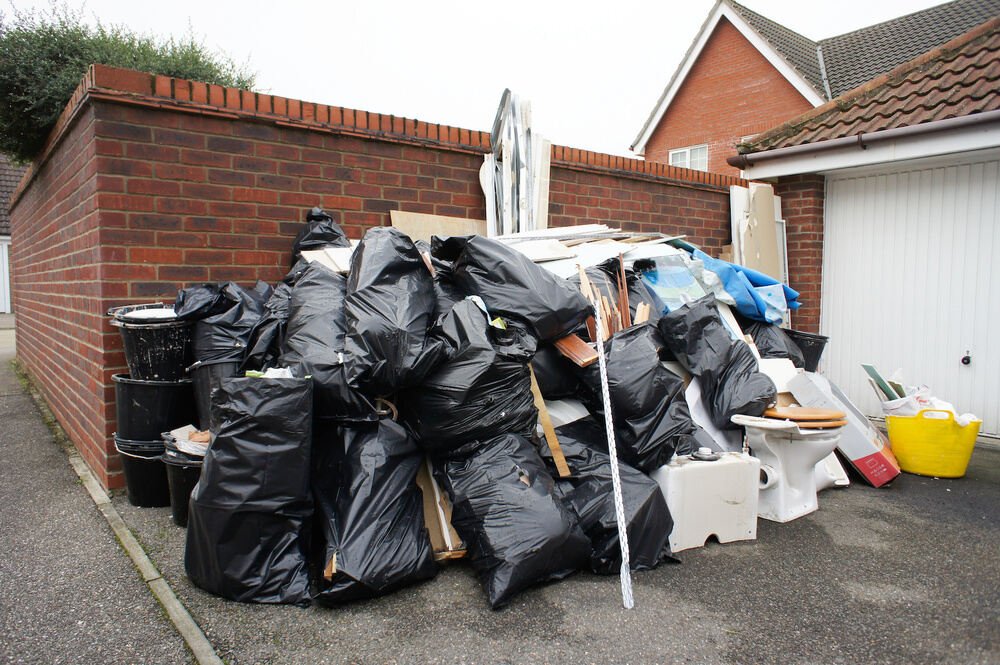
House Clearance London services handle the complete removal of household contents when a property needs emptying. This process occurs for many reasons, including moving house, dealing with an estate after a bereavement, preparing a home for sale, or clearing clutter before renovation. Understanding exactly what happens to your belongings during House Clearance London work helps homeowners and executors feel more in control and reduces stress at an already difficult time.
The Initial Assessment and Inventory
Professional House Clearance London teams begin with a thorough assessment of the property. Specialists walk through every room, loft, garage, and garden shed to identify the volume and type of items present. They create a basic inventory that notes furniture, appliances, personal effects, and any potentially valuable objects. This step ensures nothing important is overlooked and allows the company to quote accurately for the job.
During this stage, clients can flag items they wish to keep, sell, or donate. Clear communication at the outset prevents misunderstandings later. Many House Clearance London providers photograph high-value pieces and discuss options before any removal begins. This transparency builds trust and gives families time to make informed decisions about sentimental or valuable possessions.
Sorting Belongings into Categories
Once the assessment is complete, the clearance team systematically sorts every item. Sorting forms the heart of any House Clearance London operation and determines the final destination of each belonging. Items typically fall into several main groups: those the client wants to retain, pieces suitable for resale, goods suitable for charity donation, materials that can be recycled, and waste that must go to licensed disposal facilities.
Furniture is examined for condition. Solid wood pieces in good repair often head to second-hand dealers or auction houses. Damaged or low-value furniture may be broken down for scrap wood or sent for recycling. Soft furnishings such as sofas and mattresses are checked against fire safety regulations; many older items cannot be resold and must be disposed of responsibly.
Electrical appliances receive careful attention. Working televisions, washing machines, and refrigerators can sometimes be refurbished and sold. Faulty or outdated appliances are stripped for parts where possible, with remaining components processed according to WEEE (Waste Electrical and Electronic Equipment) regulations that apply across London.
Personal items and small household goods are handled with particular care. Clothing, books, kitchenware, and ornaments are sorted by condition and potential demand. Clean, wearable clothing frequently goes to local charities. Books in good condition may be donated to libraries or sold through specialist dealers. Broken or heavily worn items move into the recycling or disposal stream.
Resale and Auction Pathways
Valuable or desirable items discovered during House Clearance London clearances often enter the resale market. Antique furniture, artwork, jewellery, and collectibles are typically photographed and valued by experienced staff or external specialists. Clients may choose to sell these pieces themselves, instruct the clearance company to handle the sale, or send them to auction.
Many House Clearance London firms maintain relationships with local auction houses and online marketplaces. Proceeds from sales can be returned to the client after agreed fees, providing a welcome financial return. Even mid-range furniture and household goods can generate income when marketed effectively. This approach reduces waste while maximising the value recovered from the property.
Donation to Charities and Community Groups
A significant portion of usable belongings from House Clearance London jobs is donated. Charities across the capital gratefully accept furniture, clothing, kitchen equipment, and household textiles. Donation not only supports good causes but also keeps usable items out of landfill. Clearance companies often arrange direct collection by charity vans or deliver goods to charity shops and warehouses themselves.
Some organisations specialise in supporting people setting up new homes after homelessness or domestic difficulties. Clean, serviceable furniture and white goods from House Clearance London clearances can make a genuine difference to these individuals and families. Clients frequently appreciate knowing that their former belongings continue to serve a useful purpose rather than simply being discarded.
Recycling and Environmental Responsibility
Responsible House Clearance London providers prioritise recycling wherever possible. Wood, metal, glass, cardboard, and certain plastics are separated at the property or at a sorting facility. Metal frames from beds and garden furniture are sent to scrap merchants. Timber that cannot be reused may be processed into woodchip or biomass fuel. Glass and clean cardboard enter established recycling streams.
London has strict environmental regulations governing waste. Professional clearance companies hold the necessary waste carrier licences and dispose of residual waste only at authorised facilities. This compliance protects clients from potential liability and ensures that House Clearance London operations meet current environmental standards. Many firms now publish their recycling rates, reflecting growing public interest in sustainable practices.
Disposal of Hazardous and Non-Recyclable Waste
Not every item can be reused or recycled. Certain materials require specialist handling. Old paint, solvents, batteries, fluorescent tubes, and asbestos-containing materials (sometimes found in older properties) must be treated as hazardous waste. Licensed House Clearance London contractors identify these substances and arrange safe removal in line with Environment Agency rules.
Mattresses, carpets, and some soft furnishings that fail fire safety standards are often sent for energy recovery or specialist disposal rather than landfill. The goal remains to divert as much material as possible away from landfill sites, which are both environmentally damaging and increasingly expensive.
Handling of Sentimental and Personal Belongings
Families understandably worry about personal and sentimental items during House Clearance London work. Letters, photographs, jewellery, and keepsakes are treated with extra care. Reputable companies train staff to recognise items of potential emotional value and set them aside for the client to review. Many firms provide secure storage options if the client needs time to decide what to keep.
In bereavement situations, House Clearance London teams often work closely with executors and solicitors. Clear documentation of what is removed, sold, donated, or disposed of helps with estate administration and provides peace of mind that nothing of value has been overlooked or mishandled.
The Final Stages of Clearance
After sorting, removal, and processing, the property is left empty and broom-clean. Floors are swept, and any remaining debris is cleared. Some House Clearance London packages include light cleaning so the home is ready for viewing by estate agents, new tenants, or builders. A detailed report listing the fate of major items can be supplied if requested, giving clients a complete record of the process.
Choosing the Right House Clearance London Provider
Selecting an experienced, licensed company makes a significant difference to the outcome for your belongings. Look for firms that hold waste carrier licences, public liability insurance, and a clear policy on recycling and donation. Transparent pricing, written inventories, and open communication about the destination of items all indicate a professional service.
House Clearance London specialists who prioritise reuse and recycling over simple disposal offer the most responsible route for unwanted household contents. By understanding each stage of the process, homeowners and executors can approach clearance with greater confidence, knowing that their belongings will be handled with care, legality, and respect for both people and the environment.