
Water damage is one of the most stealthy and destructive issues a property owner can face. In Omaha, Nebraska, where severe seasonal weather ranges from summer thunderstorms and flash floods to freeze-and-thaw winter cycles, properties are constantly exposed to water-related risks. While some water emergencies—like a burst pipe or a flooded basement—are impossible to miss, many instances of Omaha water damage start small and remain unnoticed for weeks or even months.
Recognizing the early warning signs of water intrusion can save property owners thousands of dollars in restoration costs, protect structural integrity, and prevent health hazards associated with mold growth. Below is a comprehensive guide to help Omaha home and business owners identify water damage before it turns into a major disaster.
Visual Warning Signs of Water Damage
The most common indicators of hidden water leaks appear visually on walls, ceilings, floors, and structural elements.
Discoloration and Water Stains
One of the earliest signs of indoor leaks is discoloration. Water staining often manifests as yellow, brownish, or dark rings on ceilings and drywalls. On painted surfaces, water can cause paint to bubble, peel, or crack. If you notice a faint yellowish ring on your ceiling or sagging drywall, moisture is likely accumulating behind the surface.
Warped, Cupped, or Buckling Flooring
Flooring materials react strongly to excess moisture:
- Hardwood: Soaks up water, causing individual planks to cup (edges curve upward) or crown (centers bulge upward).
- Laminate and Engineered Wood: Delaminates and swells at the seams when exposed to liquid.
- Vinyl and Tile: Water leaking underneath can dissolve adhesives, causing tiles to loosen, pop, or shift underfoot.
Peeling Paint and Blistering Wallpaper
When water penetrates behind walls, it disrupts the adhesive bonds of wallpaper and causes paint to lose its grip. If wallpaper begins to peel at the seams or paint blisters into fluid-filled pockets, moisture is actively moving through the wall cavity.
Olfactory and Environmental Indicators
Sometimes your eyes won’t spot the damage first, but your nose will.
Persistent Musty Odors
A persistent, earthy, or musty smell is a classic signal of trapped moisture and hidden mold growth. Even if walls look clean on the surface, water may be dampening insulation, floor joists, or subflooring inside wall cavities or crawl spaces. In regions prone to high summer humidity and damp basements, ignoring musty odors often leads to extensive structural remediation later on.
Unexplained Mold and Mildew Growth
Mold spores thrive in damp, dark environments with organic material (like wood or drywall) and oxygen. Visible mold growth—appearing as black, green, white, or fuzzy patches along baseboards, behind furniture, or around window sills—indicates a sustained moisture problem. Addressing visible mold requires addressing the root source of water intrusion immediately.
Physical and Structural Changes
Over time, unresolved moisture weakens structural components, leading to noticeable physical shifts around your property.
Sagging Ceilings and Bowing Walls
When drywall absorbs excessive water, it loses structural strength and becomes heavy. A sagging ceiling is a critical warning sign that requires urgent attention; the weight of trapped water can cause a catastrophic ceiling collapse. Similarly, bowing or soft drywall indicates long-term saturation within the wall frame.
Foundation Cracks and Exterior Deterioration
In eastern Nebraska, soil conditions respond dramatically to moisture changes. Heavy rain or poor drainage around your foundation can cause soil expansion, putting hydrostatic pressure on foundation walls. Look for horizontal or stair-step cracks in basement walls, standing water near the foundation perimeter, or flaking concrete (spalling). These exterior signals often precede severe interior leaks and basement flooding.
Unexpected Utility and Plumbing Clues
Not all signs of moisture intrusion are visible on building materials—some show up on your monthly bills or utility equipment.
Unexplained Spikes in Water Bills
If your water usage habits haven’t changed, but your monthly water bill suddenly surges, you may have a hidden leak. A pinhole leak in an underground line, a leaking toilet valve, or a pipe corroding behind a wall can waste thousands of gallons of water per month while silently damaging your property’s framing and subfloors.
Changes in Water Pressure or Fixture Performance
A sudden drop in water pressure across your sinks or showers can indicate a compromised pipe line within the plumbing system. Additionally, persistent dripping sounds inside walls—especially when no taps are running—are a strong auditory cue that water is escaping into concealed spaces.
Common Causes of Omaha Water Damage
Understanding local factors helps property owners stay vigilant throughout the year:
- Spring Thaws and Heavy Rain: Rapidly melting snow combined with seasonal rainfall can overload gutters and sump pumps, leading to basement seepage.
- Winter Pipe Freezes: Sub-zero winter temperatures in Nebraska can cause exposed or under-insulated pipes to freeze and burst.
- Sump Pump Failures: High water tables during wet seasons put heavy reliance on sump pumps. Mechanical failure or power outages during storms frequently lead to flooded basements.
- Clogged Gutters and Downspouts: Leaves and debris prevent proper roof drainage, forcing water under shingles or pooling it around the foundation.
Action Steps When You Notice Warning Signs
If you spot any of these red flags on your property, taking prompt action is essential to minimize property loss and restoration costs:
- Locate and Stop the Source: Turn off the main water shut-off valve if the issue stems from a plumbing leak or burst pipe.
- Document the Damage: Take clear photographs and videos of all affected areas, damaged belongings, and structural issues for insurance purposes.
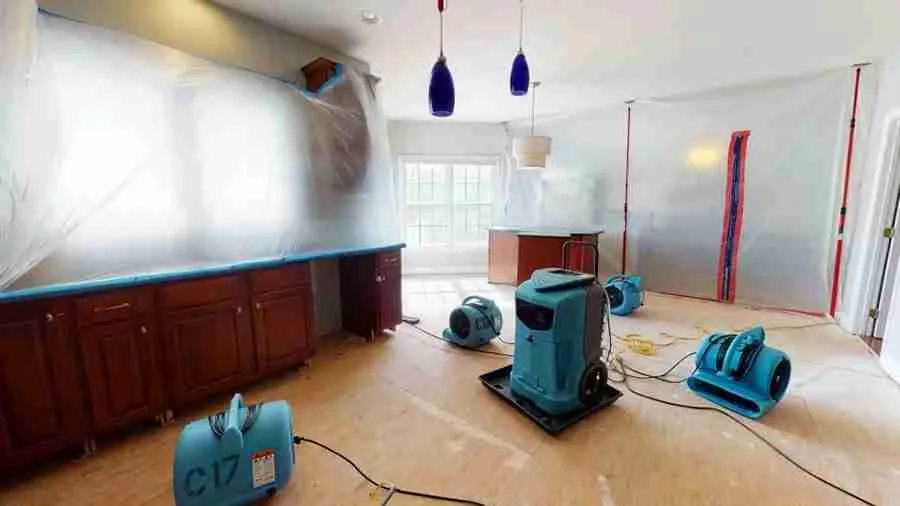
- Contact Professional Restoration Services: Water mitigation requires specialized equipment, such as industrial dehumidifiers, air movers, and moisture meters, to ensure building materials are thoroughly dried and sanitized.
- Notify Your Insurance Provider: Report the damage promptly to initiate the claims process and receive guidance on covered repairs.
Conclusion
Recognizing early warning signs—from subtle wall stains and musty odors to foundation cracks and spiking utility bills—is the best defense against severe structural issues. By staying proactive and addressing moisture problems at the first sign of trouble, property owners can protect their investments, ensure a safe living environment, and maintain the long-term value of their buildings.