
Water damage is one of the most frustrating and costly issues a property owner can face. For residents living in Northern Colorado, understanding the risks associated with Greeley water damage is essential for protecting your investment, preserving indoor air quality, and maintaining the structural integrity of your home. From seasonal snowmelt and sudden summer severe storms to internal plumbing failures, water can infiltrate your living spaces when you least expect it.
Recognizing the primary triggers of water intrusion and knowing how to respond rapidly can save thousands of dollars in restoration costs. This comprehensive guide explores the common causes of Greeley water damage and outlines practical, effective solutions for local homeowners.
Common Causes of Greeley Water Damage
Greeley’s unique geography, weather patterns, and local infrastructure contribute to distinct water risks throughout the year. Homeowners in the region frequently encounter several key sources of water intrusion.
Severe Seasonal Weather and Rapid Snowmelt
Northern Colorado experiences drastic temperature swings. During the spring, rapid thawing of snow accumulated on roofs and in yards can create large volumes of water runoff. If the surrounding soil is frozen or oversaturated, this runoff travels along the path of least resistance—often right toward your home’s foundation. Furthermore, summer thunderstorms in Greeley frequently bring heavy downpours in short periods, easily overwhelming gutter systems and outdoor drainage paths.
Roof Leaks and Ice Dams
Winter weather in Weld County can lead to ice dam formation along roof edges. As snow melts on warm areas of the roof and freezes again near the cold eaves, it creates a dam that prevents proper drainage. Trapped water can push back up under asphalt shingles, eventually seeping through the roof decking and into attics, ceilings, and drywalls.
Aging Plumbing and Burst Pipes
Sub-zero winter temperatures pose a major threat to indoor and outdoor plumbing systems. Uninsulated pipes running through basements, crawlspaces, or exterior walls can freeze and burst, releasing hundreds of gallons of water into living spaces in a matter of hours. Even minor, undetected pipe leaks over time can lead to serious Greeley water damage behind walls and under floors.
Appliance Malfunctions and Sump Pump Failures
Washing machines, dishwashers, water heaters, and refrigerators with ice makers rely on flexible supply lines that degrade over time. A ruptured supply hose can quickly flood a room. Additionally, many homes in Greeley feature basements equipped with sump pumps to manage groundwater. If a power outage occurs during a severe storm or the pump motor fails, basement flooding can happen rapidly.
Sewer Backups and Foundation Cracks
Heavy rainfall can saturate the municipal sewer lines or overwhelm localized drainage. When this happens, wastewater can back up through basement floor drains, creating a severe biohazard. Additionally, expansive clay soils common in eastern Colorado shrink and swell with moisture changes, causing foundation settlement and fine cracks through which groundwater easily seeps.
The Immediate Impact of Water Intrusion
When water penetrates your building envelope, time is of the essence. Water damage evolves through clear stages, each bringing heightened risks:
- Within Minutes: Water spreads rapidly across floors, soaking carpets, padding, furniture, and personal items. Wall coverings and structural lumber begin absorbing moisture immediately.
- Within 24 to 48 Hours: Mold spores, which exist naturally in the air, begin to germinate on damp organic materials like drywall, wood framing, and insulation. Drywall starts to swell and sag.
- Within 1 Week: Mold colonies flourish, creating unpleasant odors and potential respiratory risks. Structural elements become soft and compromise structural stability, while restoration costs increase significantly.
Addressing potential threats before they escalate is crucial to avoiding long-term structural harm and expensive reconstruction.
Effective Solutions and Prevention Strategies for Homeowners
While some water emergencies are unpredictable, taking a proactive approach significantly reduces your risk of experiencing catastrophic loss.
Practice Regular Plumbing and Appliance Maintenance
- Inspect supply lines on washing machines, dishwashers, and refrigerators annually, replacing rubber hoses with durable braided stainless steel connectors.
- Drain and service your water heater according to manufacturer recommendations to remove sediment build-up that leads to corrosion and tank leaks.
- Insulate vulnerable pipes in unheated areas such as attics, basements, and garages using foam pipe insulation sleeves before winter arrives.
Optimize Exterior Drainage Around the Foundation
- Ensure ground slope drains water away from your foundation wall at a slope of at least six inches over ten feet.
- Clean gutters and downspouts at least twice a year—once in late fall and again in spring—to prevent blockages that cause roof overflow.
- Extend downspouts at least five to six feet away from the foundation perimeter to prevent water from pooling near basement walls.
Protect Your Basement and Crawlspace
- Install a high-quality sump pump with an active battery backup system to ensure continuous operation during severe storms accompanied by power outages.
- Seal visible cracks in foundation walls using professional-grade hydraulic cement or epoxy sealants.
- Consider installing a backwater valve on your main sewer line to prevent municipal sewage from reversing into your home.
How to Handle an Active Greeley Water Damage Emergency
If you return home to find standing water or discover an active leak, following a calm, structured plan will limit destruction and keep your family safe.
1. Ensure Safety First
Before entering a flooded area, shut off the main power supply if it is safe to do so. Never step into standing water when electrical outlets or corded appliances are submerged. If the water appears contaminated with sewage or chemical runoff, evacuate immediately and leave the work to trained professionals.
2. Stop the Source of Water
If the problem stems from a burst pipe or broken appliance line, turn off the main water shutoff valve immediately. Every household member should know the exact location of this valve.
3. Contact Professional Water Damage Restoration Specialists
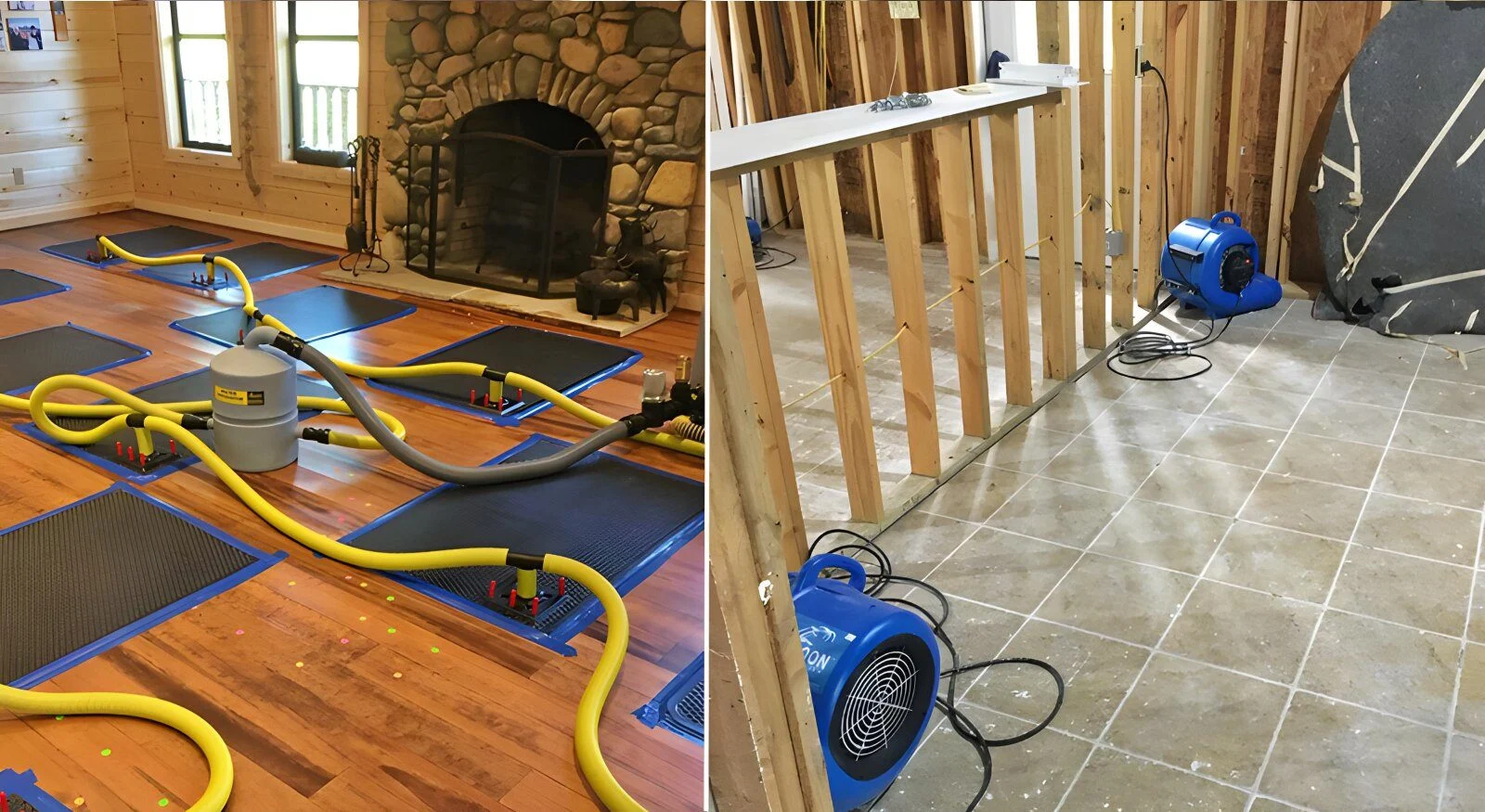
Extracting water and completely drying out structural materials requires industrial-grade air movers, commercial dehumidifiers, and specialized moisture meters. Professional restoration technicians can accurately locate hidden moisture pockets within wall cavities and beneath subflooring to prevent persistent mold growth.
4. Document the Damage for Insurance Claims
Take detailed photographs and videos of all affected areas, structural damage, and ruined personal property before cleanup or extraction begins. Contact your home insurance provider promptly to report the claim and receive guidance on coverage details.
Protecting Your Home Investment
Experiencing Greeley water damage can feel overwhelming, but understanding its root causes gives you the tools needed to safeguard your property. By prioritizing routine home maintenance, maintaining effective perimeter drainage, and knowing how to act swiftly during an emergency, you can minimize structural risks and keep your home safe, comfortable, and dry through every season in Colorado.
Frequently Asked Questions
What should I do first when discovering water damage? First, prioritize safety by shutting off electricity to the affected zone if safe to do so. Next, turn off the main water valve to halt incoming flow, document all visible damage with photos, and call a professional restoration team.
How quickly does mold grow after a water leak? Mold can begin growing on damp organic materials, such as drywall and carpet padding, in as little as 24 to 48 hours following exposure to moisture.
Does homeowners insurance cover water damage in Greeley? Standard policies usually cover sudden and accidental internal discharge, such as a burst pipe. However, damage caused by neglected maintenance, gradual leaks, or external rising floodwaters typically requires specialized coverage or a flood insurance policy.