
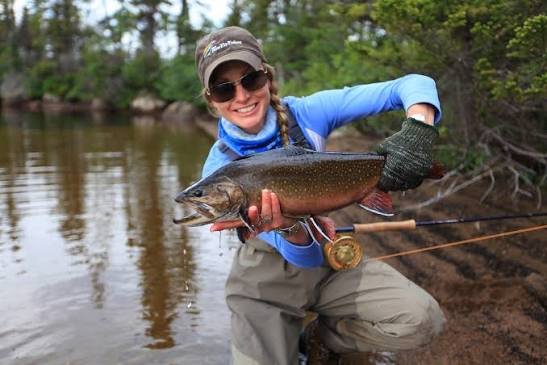
Fly fishing is more than a method of catching fish. For many people, it is a peaceful outdoor activity that provides an opportunity to slow down, enjoy fresh air, and connect Stephen Gleave Ancaster with nature. Standing beside a quiet river, listening to flowing water, and watching birds move through the surrounding landscape can make fly fishing a memorable experience. Whether practiced by beginners or experienced anglers, this activity combines patience, skill, observation, and appreciation for the natural world.
What Is Fly Fishing?
Fly fishing is a type of angling that uses a specialized rod, reel, line, and artificial fly. Unlike conventional fishing, where the weight of the lure often helps cast the line, fly fishing uses the weight of the line to carry a lightweight artificial fly toward the desired location.
Artificial flies are designed to imitate insects, small creatures, or other food sources that fish may encounter in the water. Different flies are selected depending on the environment, weather, season, and fish species. This makes fly fishing an activity that encourages people to pay attention to their surroundings.
The technique may look complicated at first, but beginners can learn the basic movements through practice. Over time, casting becomes smoother, and anglers can develop a better understanding of how fish behave.
Connecting With Nature
One of the most enjoyable aspects of fly fishing is the opportunity to spend time outdoors. Many fly-fishing locations are surrounded by rivers, streams, lakes, forests, mountains, or open countryside. These environments offer a chance to temporarily step away from busy schedules and digital distractions.
The natural setting itself can become part of the experience. The sound of moving water, the movement of trees in the breeze, and the sight of wildlife can create a calm atmosphere. Even when no fish are caught, the time spent outdoors can still feel worthwhile.
Fly fishing also encourages observation. Anglers may notice changes in water levels, insect activity, weather conditions, vegetation, and fish movement. Paying attention to these details helps improve fishing skills while also creating a stronger appreciation for nature.
The Relaxing Side of Fly Fishing
Fly fishing requires patience, which is one reason many people find it relaxing. Instead of constantly moving from one location to another, anglers often spend time studying the water and waiting for the right opportunity.
Casting can also become a repetitive and rhythmic activity. With practice, the motion of the line moving through the air can feel smooth and natural. Concentrating on casting and presentation gives the mind something simple to focus on.
This focused attention can help people take a break from everyday responsibilities. Work, school, technology, and other commitments can create busy routines. Spending several hours beside a river provides an opportunity to enjoy a slower pace.
Learning Patience and Observation
Success in fly fishing does not always come quickly. Fish may not be active, weather conditions can change, and choosing the right fly may require experimentation. These challenges teach anglers to remain patient.
Observation is equally important. Experienced anglers often study the surface of the water to identify insects or signs of fish activity. They may examine the surrounding environment before choosing where and how to cast.
These skills can make the activity more engaging. Instead of simply waiting for a fish, anglers are constantly learning from their surroundings and adjusting their approach.
Choosing the Right Location
The location can have a major influence on the fly-fishing experience. Rivers and streams are popular choices because they often provide suitable habitats for different fish species. Lakes and ponds can also offer opportunities, particularly where local conditions support fly fishing.
Beginners may prefer easily accessible locations where they can practice casting without difficult terrain. A calm and safe environment can make learning more enjoyable.
Before visiting a fishing location, it is important to understand local regulations. Some areas require fishing licenses, while others may have specific rules concerning seasons, fish species, equipment, or catch limits. Responsible anglers should always follow applicable regulations.
Essential Fly-Fishing Equipment
A basic fly-fishing setup includes a fly rod, reel, fly line, leader, tippet, and artificial flies. Waders or waterproof clothing may also be useful when fishing in rivers, although they are not necessary for every location.
Choosing equipment should depend on the type of fishing planned. Rods and lines are available in different sizes and weights for different environments and fish species.
Beginners do not necessarily need a large collection of equipment. Starting with a suitable basic setup can make learning easier and more affordable. As experience grows, anglers can gradually explore different rods, flies, lines, and accessories.
Learning the Basic Casting Technique
Casting is one of the most recognizable parts of fly fishing. A basic cast involves moving the fly line through the air in a controlled motion before allowing the fly to land on the water.
Learning proper technique is more important than trying to cast long distances. Beginners can start by practicing smooth movements and developing control over the line.
Instruction from an experienced angler, local fishing club, or qualified instructor can also be helpful. Practicing in an appropriate open area before fishing can help build confidence and improve coordination.
Fly Fishing as a Social Activity
Although fly fishing can be peaceful when practiced alone, it can also be a social experience. Friends and family members can enjoy fishing together, sharing techniques, exploring new locations, and discussing memorable catches.
Fishing clubs and outdoor communities can provide opportunities for beginners to meet experienced anglers. These groups may organize educational sessions, local trips, conservation activities, or informal gatherings.
Sharing the experience can make learning more enjoyable and provide useful knowledge about local waters and fishing conditions.
Respecting Fish and the Environment
Responsible fly fishing includes taking care of the environment and treating fish carefully. Anglers should avoid leaving fishing line, packaging, or other waste behind. Protecting riverbanks, vegetation, and wildlife helps preserve outdoor areas for future visitors.
Catch-and-release fishing is also practiced by many anglers. When releasing a fish, the goal is to minimize unnecessary stress and handle it responsibly according to local guidance.
Respecting nature ensures that rivers, lakes, and surrounding habitats remain healthy. Conservation is an important part of enjoying outdoor recreation.
Why Fly Fishing Can Become a Lifelong Hobby
Fly fishing offers something different at every experience level. Beginners can focus on learning basic casting and identifying fish. More experienced anglers may become interested in advanced casting, fly tying, seasonal patterns, or exploring new waters.
The changing seasons also provide variety. Water conditions, insect activity, weather, and fish behavior can change throughout the year. This means there is always something new to observe and learn.
For many people, the biggest attraction is not simply catching fish. It is the complete experience of being outside, moving at a slower pace, and paying attention to the natural environment.
Conclusion
Fly fishing is a relaxing way to enjoy nature while developing patience, observation, and outdoor skills. From the sound of flowing water to the challenge of presenting an artificial fly, every part of the experience can encourage a closer connection with the environment.
Whether someone spends an afternoon beside a local stream or plans a longer fishing trip, fly fishing offers an opportunity to escape routine and appreciate the outdoors. With basic equipment, responsible practices, and a willingness to learn, beginners can discover why this traditional activity continues to attract people around the world.