
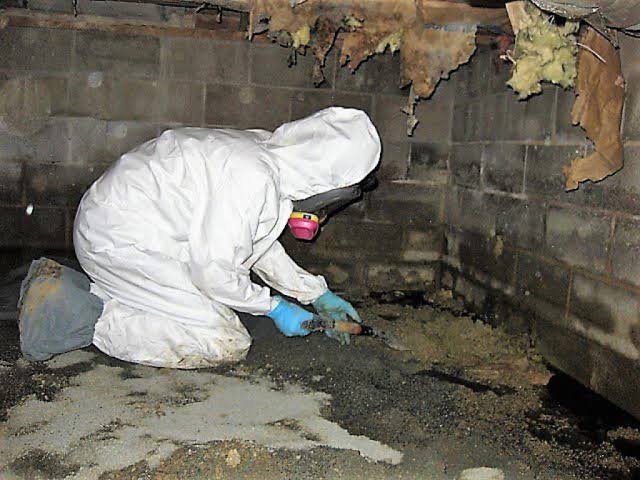
Water damage can happen unexpectedly because of burst pipes, leaking roofs, overflowing appliances, severe storms, or plumbing failures. Regardless of the cause, standing water and excess moisture can quickly affect floors, walls, ceilings, furniture, and personal belongings. Taking action quickly is essential because delaying cleanup can allow damage to spread and create additional restoration challenges. A professional water restoration service provides the equipment, knowledge, and systematic approach needed to control damage and begin the recovery process efficiently.
Understanding the Impact of Water Damage
Water can move into areas that are difficult to see or reach. It may seep underneath flooring, behind drywall, inside cabinets, and beneath furniture. Even when visible water has been removed, hidden moisture can remain and continue affecting building materials.
The longer moisture remains present, the greater the possibility of deterioration. Wood can swell or become weakened, drywall can soften, flooring can become damaged, and moisture-sensitive materials may require replacement. A water restoration service evaluates the affected areas to determine how far the water has traveled and which materials need immediate attention.
Identifying the Source of the Problem
One of the first priorities during restoration is determining where the water came from. A leaking pipe, damaged appliance, roof leak, or drainage problem may continue introducing water into the property if it is not addressed.
Professional restoration technicians can inspect the affected area and identify visible signs of water intrusion. Stopping or controlling the source helps prevent additional water from entering the property while cleanup begins.
Fast Water Removal Reduces Further Damage
Standing water can cause extensive problems when it is allowed to remain for an extended period. It can soak into carpets, wooden floors, furniture, walls, and other porous materials.
A professional water restoration service uses specialized pumps, wet vacuums, and extraction equipment to remove standing water efficiently. Faster extraction can help limit the amount of moisture absorbed by building materials.
Removing Standing Water
Water removal is often one of the most important early steps in the restoration process. Technicians assess the amount of water present and select appropriate equipment based on the affected space.
Large amounts of water may require powerful extraction equipment, while smaller areas may be handled with specialized vacuums. Removing water from the surface and affected materials helps create better conditions for the drying process.
Professional Drying Helps Control Hidden Moisture
Removing visible water does not necessarily mean the property is dry. Moisture can remain inside walls, floors, insulation, cabinets, and other materials.
A water restoration service uses air movers, dehumidifiers, moisture meters, and other drying equipment to help reduce remaining moisture. Technicians can monitor moisture levels during the process to determine whether affected areas are progressing toward appropriate dryness.
Finding Moisture in Difficult Areas
Some moisture problems are not obvious during a basic visual inspection. Moisture meters and other inspection tools can help identify damp areas that may otherwise be overlooked.
Finding these areas early allows restoration professionals to focus drying efforts where they are most needed. This can help prevent prolonged moisture exposure and reduce the likelihood of additional property damage.
Protecting Walls, Floors, and Structural Materials
Different building materials react differently to water. Wood may absorb moisture and expand, while drywall can become weakened after prolonged exposure. Flooring materials may also separate, warp, or deteriorate depending on their construction and the amount of water involved.
A water restoration service evaluates affected materials and determines whether they can be dried and restored or whether certain portions require removal and replacement. This approach helps prevent unnecessary replacement while addressing materials that have sustained significant damage.
Reducing Damage to Personal Belongings
Water can also affect furniture, clothing, electronics, documents, and household items. Some belongings may be salvageable when they are handled quickly.
Restoration professionals can assess affected contents and recommend appropriate cleaning, drying, or relocation procedures. Moving items away from wet areas can also help protect them from additional exposure.
Cleaning and Sanitizing Affected Areas
Water damage can leave behind dirt, debris, and unpleasant residues. Depending on the source of the water, additional cleaning may be necessary before the property can return to normal use.
A professional water restoration service can clean affected surfaces and materials using suitable methods. The exact approach depends on the type of water involved, the materials affected, and the condition of the property.
Addressing Moisture-Related Concerns
Excess moisture can create an environment where unwanted biological growth may develop. Prompt drying and moisture control are therefore important parts of the restoration process.
Restoration professionals focus on removing excess water and reducing moisture levels. Keeping affected areas properly dried can help support a cleaner and more stable indoor environment.
Helping Prevent Secondary Property Damage
Water damage can become more complicated when initial problems are not addressed promptly. For example, a small leak can continue spreading moisture through flooring or walls, increasing the affected area over time.
A water restoration service takes a structured approach that includes inspection, water extraction, drying, cleaning, and monitoring. Each stage is designed to address current problems while helping reduce the risk of additional damage.
Creating a Detailed Restoration Plan
Every water damage situation is different. The size of the affected area, type of building materials, amount of water, and source of the problem can all influence the restoration process.
Professionals can develop a restoration plan based on the property’s specific circumstances. This can make the cleanup process more organized and help property owners understand what needs to happen at each stage.
Supporting Faster Property Recovery
Water damage can disrupt everyday life, especially when bedrooms, kitchens, bathrooms, offices, or other important areas are affected. A timely restoration response can help property owners begin recovering usable spaces sooner.
Professional equipment can often make water removal and drying more efficient than relying only on household tools. Technicians also have experience identifying common water damage patterns and determining which areas require additional attention.
Monitoring the Drying Process
Drying should not simply stop when surfaces feel dry to the touch. Moisture may remain underneath flooring, inside walls, or in other concealed spaces.
Restoration professionals can use moisture measurements to monitor progress. This provides a more reliable indication of whether affected materials are sufficiently dry and whether additional drying is necessary.
Helping Property Owners Make Informed Decisions
Water damage can be stressful, particularly when property owners are unsure which materials can be saved. Professional assessment provides useful information about the condition of affected areas.
A water restoration service can explain the visible and hidden effects of water exposure and outline the recommended restoration steps. This helps property owners understand the difference between cleaning, drying, repairing, and replacing damaged materials.
Why Timely Restoration Matters
Time is an important factor in water damage recovery. The sooner excess water is removed and moisture levels are controlled, the sooner the property can begin moving toward recovery.
Waiting can allow water to travel into additional areas and may increase the complexity of cleanup. Prompt professional attention can help limit the affected area and provide a clearer path toward restoring the property.
Conclusion
Water damage can quickly become a major property problem when it is not addressed properly. From standing water and hidden moisture to damaged building materials and affected belongings, several issues can develop after a leak or flooding event.
A professional water restoration service helps minimize property damage by responding quickly, removing standing water, locating hidden moisture, drying affected materials, cleaning impacted areas, and monitoring the restoration process. With the right equipment and a structured approach, property owners can address water damage more efficiently and work toward returning their homes or buildings to a safe, functional condition.