
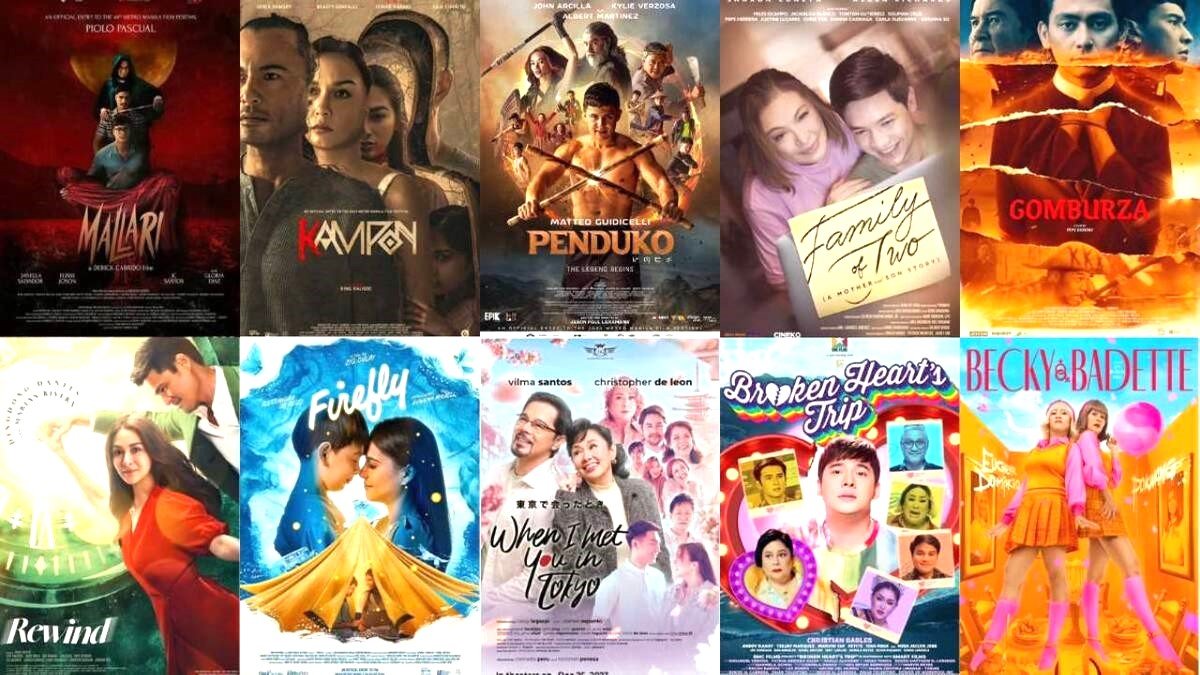
The film industry has undergone a remarkable transformation as audiences increasingly move away from traditional theatrical releases and toward digital entertainment. One of the most significant developments in this changing landscape is the rise of streaming-first films. These movies are designed primarily for release on streaming platforms rather than depending on cinemas as their main destination. The shift has changed how films are produced, distributed, marketed, and consumed, creating new opportunities for filmmakers and audiences alike.
What Are Streaming-First Films?
Streaming-first films are feature-length movies that prioritize digital platforms for their initial or primary release. Unlike conventional films that may spend weeks or months exclusively in theaters before becoming available online, streaming-first productions can reach viewers directly through a streaming service.
This model has become increasingly attractive because it allows studios and independent filmmakers to reach international audiences without relying entirely on traditional theatrical distribution. Viewers can watch a new movie from home using televisions, computers, tablets, or smartphones.
The concept has also expanded the meaning of accessibility in modern cinema. A viewer who might not have access to a local theater can still discover films from different countries, genres, and creative backgrounds.
Why Streaming Has Become So Important
Several factors have contributed to the rapid growth of streaming-first entertainment. Convenience is one of the biggest. Audiences can choose when and where they want to watch a film without purchasing tickets, traveling to a cinema, or following a fixed screening schedule.
Subscription-based platforms have also changed viewing habits. Instead of paying separately for every movie, audiences can access extensive libraries as part of a monthly subscription. This encourages viewers to experiment with unfamiliar genres and filmmakers.
Another important factor is the global reach of streaming services. A film that might have struggled to secure theatrical distribution in multiple countries can potentially become available to viewers worldwide. Subtitles, dubbing, personalized recommendations, and digital promotion make international discovery easier than ever.
The Changing Role of Movie Theaters
The growth of streaming-first films does not necessarily mean that movie theaters are disappearing. Cinemas continue to offer an experience that home viewing cannot completely duplicate. Large screens, advanced sound systems, communal reactions, and the atmosphere of a theater remain important attractions.
However, streaming has encouraged studios to rethink which films require theatrical treatment. Big-budget blockbusters, franchise films, and visually spectacular productions may still benefit significantly from cinema releases. Meanwhile, smaller dramas, documentaries, experimental projects, and niche stories can find valuable audiences through streaming.
This creates a more flexible ecosystem in which different types of films can follow different distribution paths.
How Filmmakers Benefit From the Streaming Model
Streaming-first distribution can provide filmmakers with opportunities that were historically difficult to obtain. Traditional theatrical distribution often requires substantial marketing budgets, relationships with theater chains, and confidence that a movie can attract large audiences within a limited period.
Streaming platforms can reduce some of these barriers. A filmmaker may be able to reach viewers based on the strength of the story, cast, genre, or recommendation algorithms rather than depending entirely on opening-weekend ticket sales.
The model can also encourage creative experimentation. Films aimed at specific audiences may have greater chances of finding viewers online because streaming platforms can serve many different interests simultaneously.
For emerging filmmakers, this can create a pathway toward recognition that was previously difficult to achieve.
The Impact on Film Production
The rise of streaming has influenced not only distribution but also production decisions. Streaming companies often collect extensive viewing data that can help them understand audience preferences. This information may influence decisions about genres, episode structures, casting, release strategies, and marketing.
At the same time, streaming-first films still require strong storytelling. Data may help identify potential audiences, but audience attention remains difficult to earn. With thousands of entertainment choices available, a movie must compete for viewers immediately.
This competition has encouraged filmmakers to think carefully about opening sequences, pacing, visual identity, and promotional material.
The Importance of Discoverability
One challenge created by streaming is the enormous amount of available content. When viewers have access to hundreds or thousands of movies, getting noticed becomes increasingly difficult.
Streaming platforms use recommendation systems to help audiences discover content. A film may gain visibility because it matches a viewer’s previous choices or becomes associated with popular genres and trends.
Marketing remains essential as well. Trailers, social media campaigns, interviews, posters, reviews, and online discussions can all contribute to a film’s visibility.
The keyword Bardya can also become part of a broader discussion about digital discoverability when audiences search for distinctive names, topics, or entertainment-related information online. Unique terms can attract attention in an increasingly crowded digital environment.
How Audiences Are Changing
Modern viewers have become more selective about how they consume entertainment. Some audiences still enjoy planning a cinema trip, while others prefer the flexibility of watching at home. Streaming accommodates different lifestyles by removing many traditional barriers to viewing.
Binge-watching culture has also influenced expectations. Viewers have become accustomed to having immediate access to content, which can affect how they approach newly released films.
Younger audiences, in particular, often discover movies through social media clips, online recommendations, influencers, review channels, and platform suggestions rather than through traditional television advertising or newspaper promotions.
Challenges of Streaming-First Films
Despite their advantages, streaming-first films face several challenges. One concern is that movies may receive less cultural attention when they do not have a significant theatrical presence. A cinema release can create events, media coverage, premieres, and conversations that are harder to reproduce entirely online.
Another issue is financial performance. Traditional box-office figures provide a relatively straightforward measurement of theatrical success, while streaming success can be more complicated to evaluate. Platforms may consider viewing hours, completion rates, subscriber engagement, new subscriptions, and other internal measurements.
There are also concerns about long-term visibility. With platforms constantly adding new content, older films can quickly disappear from prominent recommendation sections.
The Future of Streaming-First Cinema
The future is likely to involve a combination of theatrical and streaming strategies rather than one completely replacing the other. Some movies may receive major cinema releases, others may use limited theatrical runs before moving online, and some will be created specifically for streaming audiences.
Technological developments will continue influencing this evolution. Better home displays, improved sound systems, faster internet connections, and increasingly sophisticated recommendation technologies will make digital viewing even more attractive.
For filmmakers, the key will be understanding how storytelling and distribution can work together. A strong movie can potentially find an audience regardless of where it premieres, provided it is effectively positioned and promoted.
Conclusion
The rise of streaming-first films represents one of the most important changes in modern cinema. By connecting filmmakers directly with global audiences, streaming platforms have expanded access to movies and created new possibilities for creative production and distribution.
Although traditional theaters remain an important part of the film industry, streaming has permanently changed audience expectations. Convenience, accessibility, international reach, and personalized discovery are likely to remain central to the future of entertainment.
As the industry continues to evolve, streaming-first films will play an increasingly influential role in determining how stories are created, released, discovered, and remembered.