
Running a successful ecommerce business requires much more than simply listing products and waiting for customers to buy. Modern online sellers need accurate inventory forecasting, reliable financial management, and efficient logistics to remain competitive. Whether you sell on Shopify, Amazon, or multiple marketplaces, using the right tools can simplify complex business operations and improve long-term profitability.
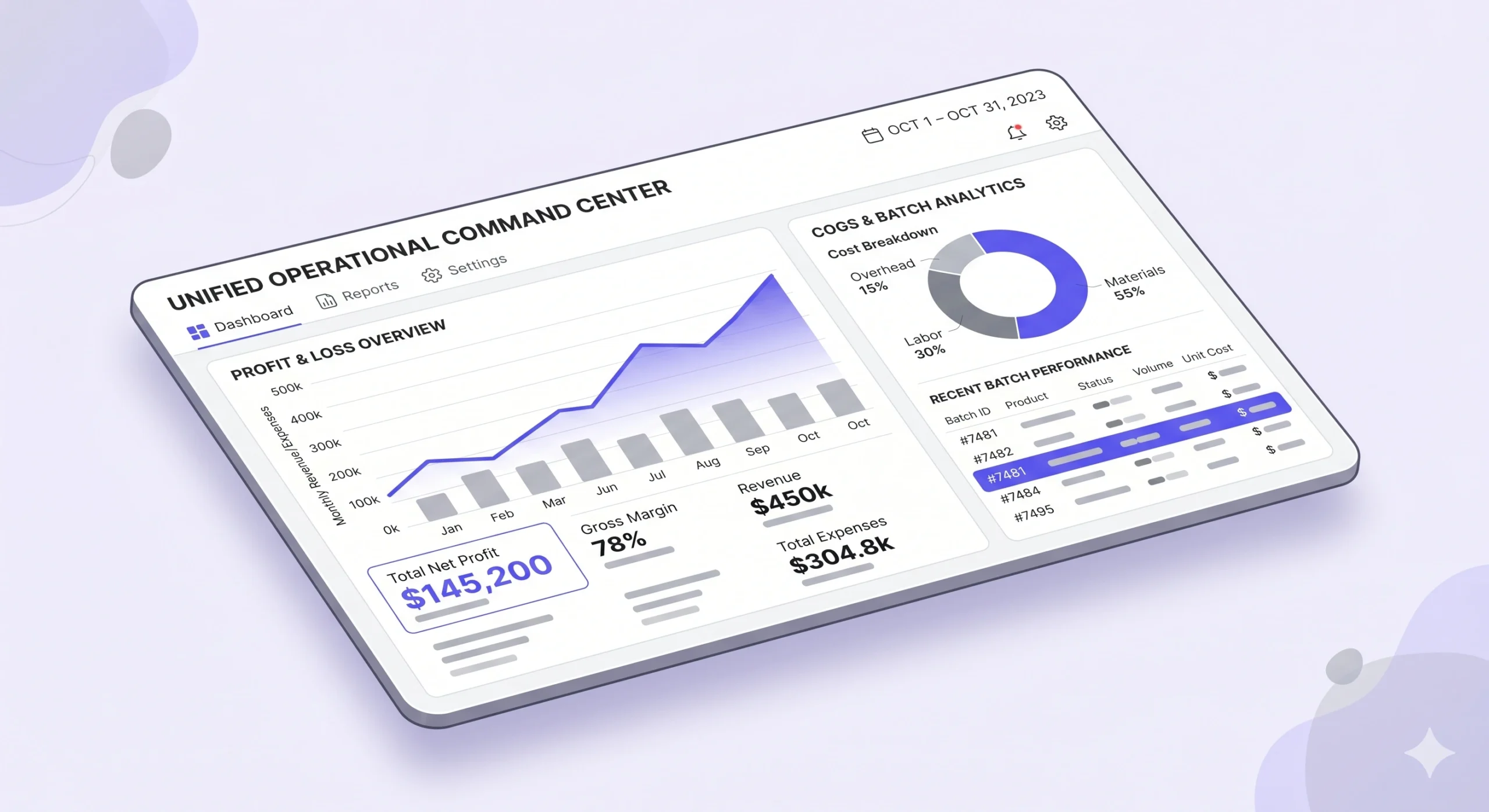
One solution that helps merchants streamline these essential tasks is https://www.neonpanel.com/accounting-shopify. By combining financial insights with inventory and operational management, businesses can spend less time on manual work and more time on growth.
Why Inventory Forecasting Matters
Inventory forecasting is the process of estimating future product demand based on historical sales, seasonal trends, and purchasing behavior. Accurate forecasting helps businesses maintain the right inventory levels without overstocking or running out of popular products.
When inventory forecasting is done correctly, businesses enjoy several advantages:
- Better cash flow management
- Reduced storage costs
- Lower risk of stockouts
- Improved customer satisfaction
- More informed purchasing decisions
Without accurate forecasting, businesses often struggle with excess inventory or missed sales opportunities. This is especially important for growing ecommerce brands managing hundreds or even thousands of SKUs.
The Growing Importance of Shopify Accounting
Shopify has become one of the world’s leading ecommerce platforms because of its flexibility and ease of use. However, as sales increase, financial management becomes significantly more complicated.
Store owners must keep track of:
- Daily sales
- Refunds
- Shipping expenses
- Taxes
- Payment processor fees
- Inventory costs
- Marketing expenses
Proper Shopify accounting ensures every transaction is accurately recorded. This helps business owners understand their actual profits instead of simply looking at revenue numbers.
Using https://www.neonpanel.com/accounting-shopify allows Shopify merchants to organize accounting workflows while maintaining greater financial visibility. Instead of manually compiling reports from different sources, sellers can work with centralized financial information that supports smarter business decisions.
Common Accounting Challenges for Ecommerce Businesses
Unlike traditional retail stores, ecommerce businesses operate across multiple payment gateways, sales channels, and shipping providers. This creates several accounting challenges.
Some of the most common include:
Managing Multiple Revenue Streams
Many businesses sell through Shopify, Amazon, Walmart, and other marketplaces simultaneously. Consolidating financial information from every platform can quickly become overwhelming.
Tracking Marketplace Fees
Every marketplace deducts different commissions, fulfillment charges, advertising costs, and payment processing fees. Missing these expenses creates inaccurate financial reports.
Handling Returns
Product returns affect both inventory and financial records. Businesses need systems that accurately record refunds while adjusting inventory levels.
Sales Tax Compliance
Different states and countries have varying tax regulations. Accurate accounting helps businesses remain compliant and avoid reporting errors.
How Inventory Forecasting Supports Business Growth
Successful inventory forecasting goes beyond estimating future sales. It allows businesses to plan purchasing strategies based on reliable data.
Benefits include:
Better Purchasing Decisions
Knowing when products will sell allows businesses to reorder inventory before shortages occur.
Reduced Warehouse Costs
Overstocking ties up capital and increases storage expenses. Forecasting helps maintain optimal inventory levels.
Seasonal Planning
Many products experience predictable seasonal demand. Historical sales data helps businesses prepare for holidays, promotions, and special events.
Improved Customer Experience
Products that remain consistently available increase customer satisfaction and encourage repeat purchases.
Understanding Amazon Logistics
Amazon has transformed ecommerce logistics through its extensive fulfillment network. Many businesses use Amazon’s fulfillment services to reach customers faster while reducing shipping complexity.
Amazon logistics includes several important processes:
- Inventory storage
- Order fulfillment
- Shipping
- Returns management
- Delivery tracking
Businesses that understand Amazon logistics can improve operational efficiency while meeting customer expectations for fast delivery.
However, managing inventory across Amazon and Shopify simultaneously requires careful coordination to prevent inventory discrepancies.
Connecting Shopify Accounting with Inventory Management
Accounting and inventory should never operate independently.
Every inventory movement has a financial impact, including:
- Purchasing inventory
- Selling products
- Product returns
- Damaged goods
- Inventory write-offs
Accurate Shopify accounting connects these transactions to provide a complete financial picture.
Using https://www.neonpanel.com/accounting-shopify helps businesses better understand how inventory decisions influence profitability. Instead of relying on disconnected spreadsheets, merchants can monitor inventory and financial data together.
The Benefits of Automation
Manual accounting and inventory tracking consume valuable time and increase the likelihood of human error.
Automation offers numerous benefits, including:
Faster Reporting
Automated systems generate financial reports without requiring hours of manual data entry.
Improved Accuracy
Reducing manual calculations minimizes costly accounting mistakes.
Time Savings
Business owners can focus on marketing, product development, and customer service instead of repetitive administrative work.
Better Decision Making
Real-time financial information enables faster responses to market changes.
Multi-Channel Selling Requires Better Financial Control
Today’s ecommerce businesses rarely sell through a single platform.
Many operate across:
- Shopify
- Amazon
- eBay
- Walmart Marketplace
- Social commerce platforms
Each channel generates unique transactions, fees, and reports.
Centralizing accounting information allows merchants to compare profitability across every sales channel instead of reviewing separate reports individually.
This comprehensive visibility helps businesses identify their most profitable products, highest-performing channels, and biggest operational expenses.
Inventory Forecasting Best Practices
Businesses can improve forecasting accuracy by following several proven strategies.
Analyze Historical Sales
Previous sales trends often provide the strongest indicators of future demand.
Monitor Seasonal Patterns
Holiday shopping, promotional events, and seasonal trends significantly affect product demand.
Review Supplier Lead Times
Long supplier lead times require earlier purchasing decisions to prevent stock shortages.
Track Inventory Frequently
Regular inventory reviews improve forecasting accuracy while identifying slow-moving products.
Adjust for Market Changes
Consumer preferences change continuously. Forecasts should be updated regularly using current sales data.
Why Data Integration Matters
One of the biggest challenges in ecommerce is managing disconnected systems.
Businesses often have separate tools for:
- Inventory management
- Accounting
- Shipping
- Order processing
- Marketplace reporting
When these systems fail to communicate, businesses waste time transferring information manually.
Solutions like https://www.neonpanel.com/accounting-shopify simplify operations by bringing important business data together. Better integration reduces errors while improving reporting accuracy and operational efficiency.
Preparing for Long-Term Ecommerce Success
As ecommerce businesses grow, operational complexity increases. Managing thousands of orders across multiple sales channels requires systems capable of handling larger transaction volumes without sacrificing accuracy.
Inventory forecasting ensures products remain available.
Shopify accounting keeps financial records organized.
Amazon logistics supports fast, reliable fulfillment.
Together, these essential business functions create a strong operational foundation that supports sustainable growth.
Businesses investing in accurate forecasting, automated accounting, and efficient logistics are better prepared to adapt to changing customer demands and competitive market conditions.
Conclusion
Modern ecommerce success depends on much more than generating sales. Businesses must also manage inventory efficiently, maintain accurate financial records, and optimize logistics across multiple sales channels.
Inventory forecasting helps prevent costly stock shortages and excess inventory. Shopify accounting provides the financial clarity needed to measure profitability accurately. Amazon logistics enables businesses to deliver products quickly while maintaining customer satisfaction.
By leveraging comprehensive solutions like https://www.neonpanel.com/accounting-shopify, ecommerce merchants can simplify operations, improve financial visibility, and make data-driven decisions that support long-term business growth. As online commerce continues evolving, businesses that embrace integrated inventory, accounting, and logistics management will be better positioned for sustained success in an increasingly competitive marketplace.