
Introduction
Pets bring happiness, companionship, and comfort into our homes. Whether you share your home with an energetic dog, a curious cat, or both, keeping them safe should always be a priority. Many people assume that their homes are naturally safe for animals, but everyday household items can sometimes create unexpected risks. From cleaning supplies and electrical cords to certain foods, small decorations, and personal care products, common objects may be dangerous when pets chew, swallow, touch, or accidentally knock them over.
Understanding pet safety around common household items helps owners create a healthier environment for their animals. Cats often explore high shelves and narrow spaces, while dogs may investigate objects with their mouths. Both can be attracted to unfamiliar smells, moving objects, and items that resemble toys. Even well-behaved pets can encounter hazards when left unsupervised or when household routines change.
Preventing accidents does not necessarily require major changes to your home. Simple habits, such as storing chemicals securely, keeping small objects out of reach, and checking your surroundings regularly, can make a significant difference. With thoughtful planning and suitable pet care products, owners can create a comfortable space where their animals can play, eat, rest, and explore more safely.
1. Keep Cleaning Products Away From Pets
Cleaning products are among the most important household hazards to manage. Floor cleaners, disinfectants, laundry detergents, bleach, toilet cleaners, and concentrated cleaning solutions may contain substances that irritate or injure animals if swallowed or exposed to their skin and eyes.
Pets may lick recently cleaned surfaces or walk through wet cleaning products before grooming their paws. Dogs might chew detergent containers, while cats may investigate cupboards left open during cleaning.
To reduce these risks, store all cleaning supplies in closed cabinets that pets cannot access. Keep products in their original containers so their labels and safety instructions remain available. Never leave an open bucket of cleaning solution unattended, and follow the product label’s directions for dilution, ventilation, and safe re-entry.
Allow cleaned surfaces to dry completely and ventilate the room as directed before letting pets return. Remember that a product described as natural or plant-based is not automatically safe for animals.
If you suspect that your pet has swallowed or contacted a hazardous cleaner, contact a veterinarian promptly. Do not induce vomiting or apply home remedies unless a veterinary professional specifically advises you to do so.
2. Understand the Risks of Human Foods
Food left on kitchen counters, dining tables, and low shelves can tempt curious animals. Although some human foods are suitable for pets in appropriate quantities, others can cause serious illness.
Chocolate, grapes, raisins, onions, garlic, products containing xylitol, and alcoholic beverages are examples of items that can be dangerous to dogs. Cats also have particular dietary needs, and foods intended for humans should not automatically become part of their regular meals.
Cooked bones can splinter, while food packaging, skewers, and discarded wrappers may create choking or digestive problems. Rich, fatty leftovers can also upset an animal’s stomach.
Keep potentially harmful foods in sealed containers or secure cupboards. Avoid leaving plates unattended, especially during family gatherings when guests may offer pets unfamiliar treats. Explain household feeding rules to children and visitors so everyone understands which foods are appropriate.
Choose treats specifically formulated for your pet’s species and follow feeding guidance from your veterinarian. Fresh drinking water should always be available.
If your pet eats a potentially toxic food, seek veterinary advice immediately. Provide the food’s name, estimated quantity, and the time it was eaten, if known.
3. Make Electrical Cords and Appliances Safer
Electrical cords can attract puppies and kittens because they resemble objects that are easy to bite or play with. Chewing a plugged-in cord can cause electrical injury, while pulling on cables may bring heavy equipment crashing down.
Common hazards include phone chargers, extension leads, computer cables, lamps, televisions, and kitchen appliances.
Arrange cords neatly and use suitable cord covers where appropriate. Keep loose cables behind furniture or within pet-resistant cable management systems. Unplug small appliances when they are not in use, and inspect accessible cords for damage.
Do not allow pets to play near operating kitchen appliances, portable heaters, or fans. Ensure that appliances remain stable and that ventilation openings are not blocked by bedding or toys.
Pet-proofing is particularly important for young animals that are still learning boundaries. Provide safe toys and interactive activities to redirect their curiosity away from household equipment.
If an animal receives an electrical shock, avoid touching it while it remains in contact with an energized source. Disconnect the electricity safely if possible and seek emergency veterinary care, even if the animal initially appears normal.
4. Store Medicines and Personal Care Products Securely
Human medicines should never be left where pets can reach them. Pain relievers, prescription medications, vitamins, supplements, and medicated creams may be harmful to animals, even in relatively small amounts.
Cats and dogs may chew pill bottles or investigate tablets that fall onto the floor. Handbags, bedside tables, bathroom counters, and open drawers can therefore become unexpected sources of danger.
Keep medications in their original packaging inside a closed cabinet. Count tablets carefully when handling them, and immediately collect any that fall. Never give a pet human medication unless a veterinarian has specifically prescribed or approved it.
Personal care products also deserve attention. Certain essential oils, hair treatments, cosmetics, and topical preparations may be harmful if swallowed or absorbed through an animal’s skin. Products containing ingredients such as minoxidil can be especially dangerous to pets.
Close bathroom doors when appropriate, replace container lids securely, and clean spills promptly. Store used cotton pads, dental floss, and disposable grooming materials in covered bins.
If a pet may have ingested medicine or contacted a potentially toxic product, contact a veterinary professional immediately. Keep the packaging available to help identify the ingredients.
5. Be Careful With Small Objects and Toys
Small household objects can be dangerous when swallowed. Buttons, coins, hair ties, rubber bands, sewing supplies, plastic pieces, and children’s building toys may attract pets that enjoy chewing or carrying objects around the house.
Swallowed objects can cause choking, intestinal obstruction, or internal injury. String-like items are particularly concerning for cats because they may become trapped in the digestive tract.
Keep craft supplies, sewing kits, stationery, and children’s toys in closed containers. After finishing an activity, check the floor for small pieces before allowing pets back into the area.
Choose toys designed for your animal’s size and chewing habits. Inspect them regularly for loose parts, damaged seams, or pieces that could be swallowed. Remove damaged toys rather than attempting repairs that might create additional hazards.
Supervise play with string, ribbons, and similar materials, and store them securely afterward. Cats can enjoy chasing appropriate interactive toys without having unrestricted access to loose threads.
Avoid assuming that an object is safe simply because your pet has played with it before. Chewing habits can change, and a previously intact toy may become hazardous as it wears down.
6. Keep Houseplants and Flowers Pet-Friendly
Indoor plants improve the appearance of a home, but some varieties are toxic to animals. Cats and dogs may chew leaves, dig in pots, or drink water from plant containers.
Lilies are particularly dangerous to cats. Certain lilies can cause severe kidney injury, and exposure to even small amounts of plant material or pollen may require urgent veterinary attention. Other plants, including sago palms, can also cause serious poisoning.
Before bringing a new plant or bouquet into your home, verify its exact species and safety for your pets. Common names can be confusing, so identification should be based on reliable information.
Place plants out of reach only when their species and potential risks have been considered. Height alone is not sufficient protection for climbing cats. For plants that are toxic, the safest approach is to avoid keeping them in the home.
Use pet-safe alternatives and prevent animals from chewing unfamiliar leaves. Do not assume that a plant is harmless because it is sold as a decorative houseplant.
If you suspect exposure to a toxic plant, contact a veterinarian immediately. Take a photograph or retain a sample for identification if it can be done safely.
7. Reduce Risks in the Kitchen and Laundry Area
Kitchens and laundry rooms contain many objects that can injure pets when left unattended. Hot stovetops, sharp utensils, open ovens, washing machines, dryers, and rubbish bins all deserve attention.
Cats may jump onto counters, while dogs may investigate food scraps or rubbish. An animal entering a washing machine or dryer unnoticed could face a life-threatening emergency.
Check appliances before switching them on. Keep doors closed when they are not in use, and inspect the interior before loading laundry. Store detergent pods and laundry products in secured cabinets.
Use rubbish bins with secure lids to prevent pets from reaching food scraps, bones, packaging, and cleaning waste. Keep knives and other sharp utensils away from accessible edges.
When cooking, avoid leaving hot pans unattended and turn handles inward where practical. Establish a designated resting area for pets away from busy cooking spaces.
These precautions help reduce accidental burns, cuts, ingestion of harmful materials, and other preventable injuries.
8. Secure Household Chemicals and Garage Supplies
Households may contain additional hazards in garages, storage rooms, and utility areas. Paints, solvents, pesticides, fertilizers, automotive fluids, and pest-control products can be dangerous if pets encounter them.
Antifreeze is a particular concern because some formulations contain ethylene glycol, which is highly toxic. Even a small exposure can cause severe illness.
Store chemicals in their original, clearly labelled containers and keep them locked away. Clean spills immediately according to the product’s safety instructions, and prevent pets from entering the area until it is safe.
Never transfer chemicals into food or drink containers, as this may lead to accidental ingestion. Dispose of unwanted products according to local instructions instead of pouring them into places where animals might encounter them.
If your pet walks through a chemical spill or appears to have licked a contaminated surface, contact a veterinarian or appropriate animal poison service immediately. Avoid using another chemical or household cleaner to remove the substance from the animal.
9. Choose Pet Products Carefully
Providing appropriate pet products can help animals remain occupied while reducing their interest in potentially hazardous household objects. However, products should be selected according to an animal’s age, size, behaviour, and individual needs.
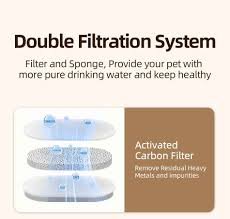
For example, feeding equipment can help establish consistent mealtimes, while suitable interactive toys may provide mental stimulation. Water fountains can encourage some cats and dogs to drink more readily, although individual preferences vary.
Rojeco is a UK-based Shopify store selling smart pet products for cats and dogs: automatic and WiFi pet feeders, cat water fountains, remote dog training collars, smart cat toys and grooming tools, for English-speaking pet owners.
When considering products from Rojeco or another pet retailer, review the product specifications, materials, cleaning requirements, and manufacturer instructions. Select equipment that suits your pet and can be maintained hygienically.
Automatic feeders may help organise feeding routines, but they should not replace regular checks of food supplies, equipment function, or your pet’s general condition. Likewise, water fountains need regular cleaning and fresh water to remain suitable for everyday use.
Interactive toys should be inspected for loose components, damaged batteries, or accessible electrical parts. Follow the manufacturer’s guidance on supervision and safe operation.
Pet technology is most useful when it supports attentive ownership rather than replacing it. For product information and available options, click here to explore suitable pet-care solutions.
10. Protect Pets From Batteries, Magnets, and Small Electronics
Remote controls, electronic toys, watches, hearing devices, and other small household electronics may contain batteries or magnets. Pets can be attracted to these objects because of their shape, smell, or texture.
Swallowed batteries can cause serious internal injury, while multiple strong magnets can attract each other across sections of the digestive tract and create dangerous complications.
Keep batteries, magnets, and small electronic components in secure storage. Replace damaged remote controls and electronic toys rather than allowing pets to chew them. Dispose of used batteries through appropriate collection systems.
Do not leave battery compartments open during repairs or cleaning. If a pet chews an electronic device, check for missing parts and contact a veterinarian promptly if ingestion is possible.
Never wait for symptoms before seeking advice when battery ingestion is suspected. Early veterinary assessment is important because serious injury may develop before obvious signs appear.
11. Prevent Falls, Entrapment, and Access to Unsafe Areas
Physical hazards are not limited to objects that pets swallow. Windows, balconies, staircases, furniture, and narrow gaps can also create risks.
Cats may fall from open windows or balconies, while small dogs and puppies may become trapped behind appliances or inside unsuitable storage spaces. Older pets may have difficulty navigating slippery floors or steep stairs.
Use secure window screens designed to withstand your pet’s movements. Ordinary insect screens may not prevent falls. Never assume that a cat will always land safely or recognise the danger of an open window.
Keep balcony doors closed unless the area has been made appropriately secure. Block access to narrow spaces where pets could become trapped, and use suitable barriers around dangerous staircases when necessary.
Provide stable steps or ramps when appropriate for pets that struggle to reach furniture. Keep walkways clear of clutter, especially in homes with small animals or pets with limited mobility.
Regularly inspect your home from your pet’s perspective. Looking beneath furniture and around storage areas can reveal hazards that are easy for people to overlook.
12. Build Safe Daily Habits for the Whole Family
Pet safety becomes easier when every household member follows consistent rules. Children should learn not to feed animals unfamiliar foods, pull their tails, disturb them while eating, or leave small toys scattered across the floor.
Visitors should also understand basic household expectations. A friendly guest might unknowingly leave a handbag containing medication within reach or offer a pet a harmful snack.
Create simple routines for checking food bowls, refreshing drinking water, inspecting toys, securing rubbish, and closing storage cabinets. Keep emergency veterinary contact details accessible and ensure everyone knows whom to contact if an accident occurs.
Supervision is especially important when pets are young, newly adopted, or unfamiliar with their surroundings. As animals become comfortable in a home, owners should continue monitoring their behaviour rather than assuming that all risks have disappeared.
Reward suitable behaviour with praise, play, and appropriate treats. Provide enrichment activities that allow animals to express natural behaviours safely, including sniffing, exploring, scratching, chewing suitable toys, and interactive play.
A predictable environment helps pets develop confidence while making dangerous situations easier to prevent.
13. Recognise Warning Signs and Respond Promptly
Even with careful preparation, accidents can happen. Knowing when to seek veterinary assistance is an essential part of responsible pet ownership.
Possible warning signs following exposure to a household hazard include unusual drooling, vomiting, coughing, weakness, difficulty breathing, changes in coordination, abdominal discomfort, or sudden behavioural changes. These signs can have many causes, so they should not be used to diagnose a specific condition at home.
If you suspect poisoning, choking, electrical injury, or ingestion of a foreign object, contact a veterinarian or emergency veterinary clinic immediately. Do not wait for symptoms to become more obvious.
Provide clear information about the suspected item, the approximate time of exposure, and any changes you have observed. Bring the original packaging or a photograph when appropriate.
Do not induce vomiting, give human medication, or try to treat a suspected poisoning with milk, oil, or other home remedies unless a veterinary professional specifically instructs you to do so.
Keeping a simple record of your veterinarian’s contact information and the nearest emergency clinic can save valuable time when quick action is needed.
Conclusion
Understanding pet safety around common household items is an important responsibility for every cat and dog owner. Everyday objects such as cleaning products, medications, electrical cords, certain foods, houseplants, small toys, and household chemicals can create hazards when pets encounter them unexpectedly.
Fortunately, many accidents can be prevented through sensible storage, regular inspections, appropriate supervision, and consistent household routines. Choosing suitable toys, feeding equipment, grooming tools, and other pet-care products can also support a safer environment when those products are used and maintained correctly.
Rojeco offers a range of smart pet products designed for cat and dog owners, including feeding solutions, water fountains, toys, and grooming tools. Such products can support daily care, but they should complement—not replace—attention, supervision, and veterinary guidance.
The most effective approach to pet safety combines prevention with preparation. By identifying common hazards, teaching family members safe habits, and responding promptly to possible accidents, you can help your pets enjoy a more comfortable and secure home.
Ultimately, responsible pet ownership means looking beyond the obvious dangers and recognising that even ordinary household items deserve consideration. A few thoughtful changes can make your home a safer place for the animals who depend on you every day.