
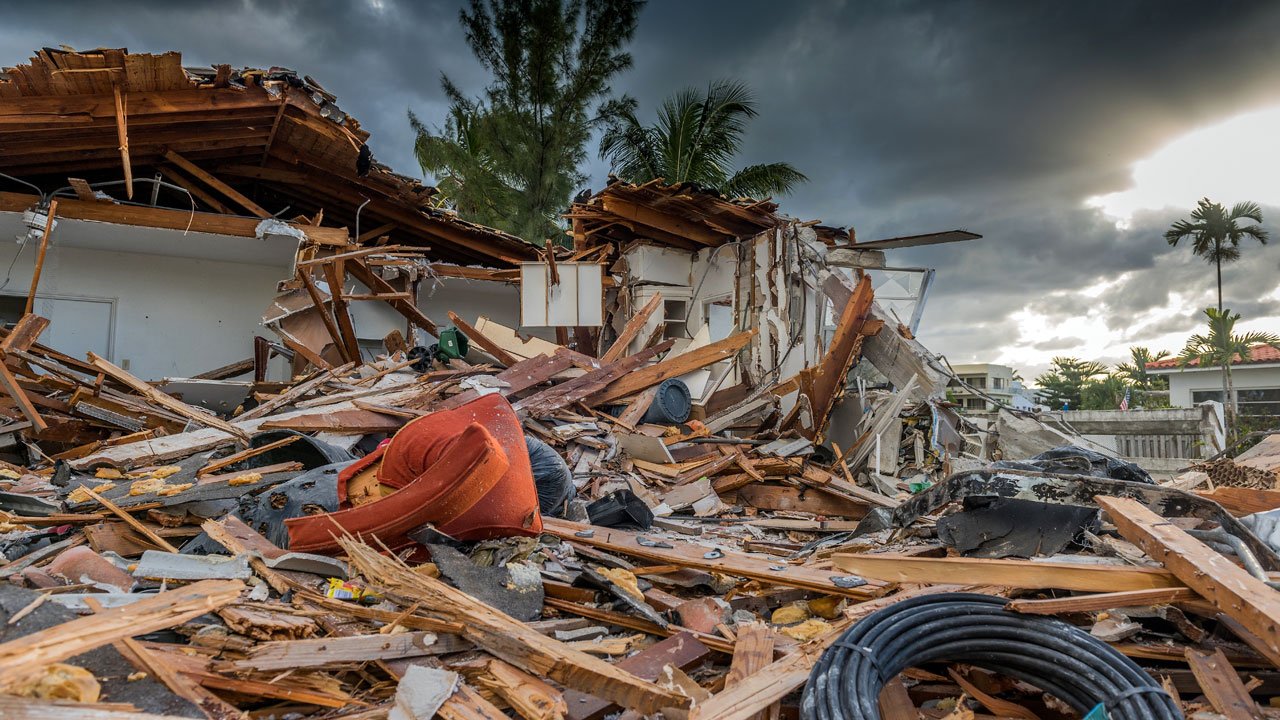
Natural disasters and unexpected home emergencies—ranging from severe storms and flash floods to burst pipes and structural fires—can strike without warning. In the immediate aftermath, the emotional toll is often overwhelming. You are left staring at the damage, trying to process the disruption to your daily life. However, while taking a moment to breathe is essential, delaying the recovery process can turn a bad situation into a catastrophic one. Engaging in prompt disaster cleanup is not merely about restoring aesthetic order; it is a critical safeguard for your property’s structural integrity, your family’s health, and your financial well-being.
The Hidden Threat of Delayed Action
When disaster strikes your home, the physical damage you see with your naked eyes is often just the tip of the iceberg. Water seeping into floorboards, soot settling into drywall, or humidity trapped inside wall cavities creates an invisible ticking clock.
The Rapid Spread of Mold and Mildew
One of the most dangerous consequences of a delayed response, particularly after water damage or flooding, is microbial growth. Mold spores are naturally present in the environment, but they lie dormant until they encounter moisture and organic material. In the warm, damp conditions left behind by a flood or a major roof leak, mold can begin to colonize within 24 to 48 hours.
Once mold takes root, it spreads rapidly throughout the HVAC system, behind wallpaper, and under carpets. Not only does this compromise the structural components of your home, but it also creates severe indoor air quality issues. Respiratory problems, allergic reactions, and chronic fatigue are just a few of the health hazards associated with prolonged mold exposure. Immediate disaster cleanup interrupts this timeline, drying out affected areas before mold spores can germinate.
Structural Compromise and Decay
Water and moisture are relentless enemies of building materials. Wood framing, drywall, insulation, and subflooring act like sponges, absorbing moisture quickly. If left untreated, wood begins to warp, rot, and lose its load-bearing capacity. Drywall softens and crumbles, while metal fasteners and structural connectors rust and corrode.
The longer water sits, the deeper it penetrates. What might have been a simple surface-level extraction job on day one can easily evolve into a massive reconstruction project by week two. Swift intervention during the disaster cleanup phase prevents moisture from settling deep into the structural skeleton of your home.
Protecting Your Valuables and Personal Belongings
Your house is more than just four walls and a roof; it is a repository of your life’s history, containing family heirlooms, photographs, electronics, and cherished possessions. After a disaster, many items can still be saved, but only if they are addressed quickly.
Salvaging Electronics and Appliances
Water and electricity are a dangerous combination, and moisture inside electronic devices can cause permanent short-circuits and rapid internal corrosion. However, many electronics can be professionally restored if they are handled and dried properly shortly after the incident. Waiting too long allows corrosion to set in, destroying circuit boards and rendering the items completely unsalvageable.
Preserving Furniture and Textiles
Upholstered furniture, rugs, and clothing absorb massive amounts of water and smoke particulate. Smoke damage, in particular, contains acidic compounds that discolor and degrade fabrics over time. Professional disaster cleanup teams utilize specialized techniques, such as ultrasonic cleaning and industrial freeze-drying, to salvage textiles and documents that would otherwise be lost forever.
Safeguarding Health and Safety
Beyond property preservation, the physical environment of a disaster-stricken home poses immediate health risks that make timely cleanup non-negotiable.
Hazardous Contaminants in Floodwaters
Floodwaters are rarely clean. Whether driven by overflowing rivers, heavy storm runoff, or backed-up sewage lines, water entering a home often carries raw sewage, chemical pollutants, bacteria, and viruses. Contact with contaminated water can lead to severe gastrointestinal illnesses, skin infections, and other health complications. Thorough disaster cleanup involves professional sanitization and disinfection to eradicate these biological hazards, ensuring the living space is safe for re-entry.
Fire Residues and Toxic Soot
If the disaster was a fire, the dangers shift from water to chemistry. Soot and ash are acidic and toxic. Leaving soot on surfaces for extended periods causes permanent etching on glass, tarnishing on metal fixtures, and deep discoloration of paint and plastics. Furthermore, breathing in residual smoke particles can aggravate asthma and other chronic respiratory conditions. Immediate mitigation removes these toxic residues before they cause permanent chemical damage.
Financial Implications of Procrastination
Many homeowners delay calling professional restoration services out of concern for the upfront costs. Ironically, hesitation almost always results in exponentially higher expenses down the road.
Mitigating Insurance Complications
Most homeowner insurance policies require property owners to take reasonable steps to mitigate further damage after a loss. If you wait weeks to begin disaster cleanup, your insurance provider may deny coverage for the secondary damage—such as advanced mold growth or structural collapse—that occurred simply because preventative action was neglected. Acting quickly ensures compliance with policy requirements and streamlines the claims process.
Reducing Overall Repair Costs
The math of disaster recovery is simple: early action equals lower costs. Extracting water immediately saves carpets and subfloors. Drying out walls prevents the need for complete demolition and rebuilding. Professional disaster cleanup stops damage in its tracks, preserving your equity and protecting your investment.
Conclusion
A disaster in the home is a disruptive, stressful event, but the choices you make in the hours and days immediately following the incident will define the outcome. Delaying recovery efforts invites mold, structural decay, health hazards, and mounting financial burdens. By prioritizing prompt and comprehensive disaster cleanup, you take control of the situation, protect your valuable belongings, ensure a safe environment for your family, and secure the long-term health of your home.