
Introduction
The restaurant industry is constantly evolving, and interior design plays an important role in creating memorable dining experiences. Customers visit restaurants not only to enjoy delicious food but also to relax, socialize, celebrate special occasions, and spend quality time with family and friends. The furniture, lighting, colors, and overall layout all contribute to how customers perceive a dining space. Among these elements, restaurant furniture has a particularly important role because it directly affects comfort, appearance, and functionality.
Modern restaurants are increasingly focusing on furniture that combines attractive designs with practical features. From elegant dining chairs and minimalist tables to flexible seating arrangements and durable materials, today’s furniture trends offer solutions for different restaurant concepts. Whether designing a small café, a family restaurant, or a high-end dining establishment, choosing the right furniture can improve the atmosphere and support efficient daily operations.
Understanding current design trends helps restaurant owners create inviting spaces that reflect their brand identity while meeting the needs of customers and staff.
1. Minimalist Designs for Modern Dining Spaces
Minimalism remains a popular trend in restaurant interior design. This approach focuses on clean lines, simple shapes, and carefully selected furniture pieces that create an uncluttered appearance. Rather than filling a dining area with unnecessary decorations, restaurant owners can use a few well-designed tables, comfortable chairs, and subtle decorative elements to establish a welcoming atmosphere.
Minimalist furniture works particularly well in contemporary cafés, casual dining establishments, and urban restaurants. Neutral colors such as white, beige, gray, and natural wood tones can make interiors feel brighter and more spacious.
Another advantage of minimalist designs is their versatility. Simple furniture can complement different wall colors, lighting styles, and decorative themes. Restaurant owners can also update their interiors with small changes, such as new cushions, table accessories, or artwork, without replacing every furniture item.
When selecting minimalist pieces, businesses should prioritize both appearance and durability. Attractive furniture that withstands frequent use provides better long-term value than products chosen solely for their visual appeal.
2. Comfortable Seating for Better Customer Experiences
Comfort is one of the most important considerations when designing a restaurant. Customers are more likely to enjoy their visits when they have supportive chairs, appropriate table heights, and enough personal space. Modern furniture trends therefore emphasize ergonomic designs that improve the dining experience without sacrificing style.
Upholstered chairs, padded benches, curved backrests, and thoughtfully designed bar stools are popular options. These pieces can make a dining environment feel more relaxed and inviting. For restaurants that encourage longer visits, comfortable seating can be particularly beneficial.
Different dining areas may require different seating solutions. For example, a casual café might use a combination of wooden chairs and cushioned benches, while a fine-dining restaurant may prefer upholstered chairs with elegant finishes.
Restaurant owners should also consider accessibility and ease of movement. Chairs should be easy to pull out, tables should provide sufficient legroom, and pathways should remain clear for customers and employees.
A comfortable environment demonstrates attention to customer needs and helps establish a positive impression of the business.
3. Natural Materials and Warm Finishes
Natural materials have become an important feature of contemporary restaurant interiors. Wood, stone, metal, and woven textures introduce warmth and visual interest while helping businesses create distinctive dining environments.
Wooden tables and chairs remain popular because they suit a wide range of design styles. Light-colored wood can create a fresh, Scandinavian-inspired appearance, while darker finishes can contribute to a sophisticated atmosphere. Metal frames can add an industrial touch, particularly when combined with reclaimed wood or exposed brick walls.
Natural textures also help soften spaces that might otherwise feel cold or overly commercial. A restaurant can combine wooden furniture with indoor plants, warm lighting, and neutral fabrics to create a relaxing environment.
However, material selection should reflect the restaurant’s operating conditions. Dining tables need surfaces that can tolerate regular cleaning, spills, and frequent use. Upholstery should be suitable for the expected level of traffic, while wooden furniture may require protective finishes to reduce staining and moisture damage.
Choosing the right combination of materials allows restaurants to achieve a stylish appearance without overlooking practical requirements.
4. Multifunctional Furniture for Flexible Layouts
Space efficiency is a major concern for restaurants, especially those operating in busy urban locations. Multifunctional furniture provides a practical way to maximize available space while maintaining an attractive interior.
Extendable tables, stackable chairs, movable benches, and modular seating systems allow restaurants to adapt their layouts for different occasions. A restaurant might use a compact arrangement during quieter periods and reorganize its furniture for larger groups during peak hours.
Flexible furniture is also useful for businesses that host private events, birthday celebrations, business meetings, or seasonal promotions. Instead of maintaining separate furniture collections for every purpose, owners can invest in versatile pieces that serve multiple functions.
For smaller restaurants, round tables may help create a more social atmosphere, while rectangular tables can make efficient use of narrow spaces. Wall-mounted benches and carefully planned seating arrangements can further improve space utilization.
When purchasing multifunctional furniture, owners should evaluate its stability, weight, storage requirements, and ease of movement. Practical designs can improve staff efficiency while helping customers enjoy a more organized dining environment.
5. Commercial Furniture Built for Durability
Although appearance is important, durability is equally essential in restaurant environments. Tables and chairs are used repeatedly throughout the day, making quality construction a significant factor in long-term operating costs.
Investing in reliable commercial furniture helps businesses manage the demands of busy dining areas. Unlike products intended primarily for occasional residential use, furniture selected for commercial environments should be appropriate for frequent use, regular cleaning, and the specific conditions of the establishment.
Materials such as powder-coated metal, solid wood, durable laminates, and suitable commercial-grade upholstery can provide dependable performance when selected for the intended application. Restaurant owners should also inspect joints, frames, table bases, and protective finishes before making purchasing decisions.
Maintenance requirements deserve attention as well. Furniture with easy-to-clean surfaces can simplify daily housekeeping, while replaceable components may extend the useful life of certain products.
The lowest purchase price does not always represent the best value. A well-constructed table or chair that lasts longer and requires fewer repairs may be a more economical choice over time.
By balancing design, quality, and maintenance needs, restaurants can build attractive dining spaces that remain functional through years of regular use.
6. Bold Colors and Distinctive Design Features
While neutral interiors remain popular, many restaurants are introducing bold colors and distinctive furniture to create memorable spaces. Deep green, navy blue, terracotta, mustard yellow, and burgundy can add personality without overwhelming the overall design.
Colorful chairs, statement bar stools, and uniquely shaped tables can become focal points within a dining area. These elements are especially useful for restaurants that want to establish a recognizable identity or create visually appealing spaces for photography and social media.
The key is to maintain balance. A restaurant with colorful seating might pair it with neutral walls and simple tables. Alternatively, a restaurant with a restrained color palette could introduce one standout furniture piece to add visual interest.
Furniture design should also reflect the restaurant’s concept. A contemporary café may benefit from playful shapes and vibrant accents, while an upscale dining establishment might choose refined silhouettes and understated colors.
Consistent design choices help create a cohesive environment that customers can recognize and remember.
7. Sustainable Furniture and Responsible Materials
Sustainability is becoming an important consideration for businesses across the hospitality industry. Many restaurant owners are exploring furniture made from responsibly sourced wood, recycled materials, reclaimed timber, and durable products designed for long-term use.
Choosing sustainable furniture can support a restaurant’s environmental goals while contributing to an appealing interior. Reclaimed wood, for example, can introduce character and texture, while recycled metal may suit industrial or contemporary designs.
Longevity is another important aspect of sustainability. Furniture that remains functional for many years can reduce the need for frequent replacements and limit unnecessary waste.
Restaurant owners should look beyond marketing claims when evaluating environmentally responsible products. Information about material sourcing, manufacturing practices, durability, and repair options can help them make informed decisions.
Sustainable choices do not need to compromise comfort or style. With careful selection, businesses can create attractive dining spaces while considering their environmental impact.
8. Outdoor Furniture for Expanding Dining Areas
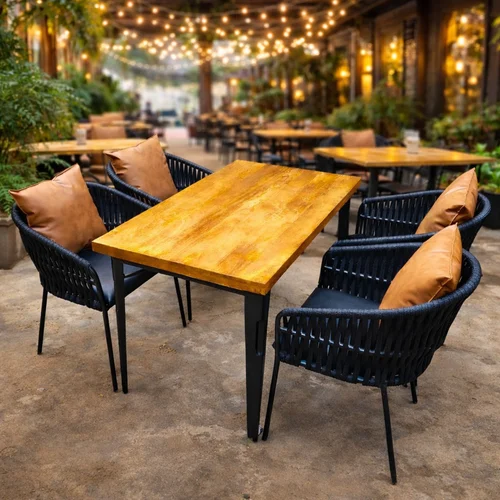
Outdoor dining continues to offer restaurants an opportunity to create additional seating and provide customers with a different atmosphere. Patios, terraces, balconies, and garden spaces can become valuable extensions of the main dining area when furnished appropriately.
Modern outdoor furniture combines weather resistance with attractive design. Aluminum frames, treated wood, suitable synthetic wicker, and weather-resistant fabrics are common options for outdoor environments.
Tables and chairs should be selected according to local weather conditions and the amount of maintenance the restaurant can provide. For example, furniture exposed to frequent rain or strong sunlight requires suitable protection and materials designed for those conditions.
Outdoor layouts should also provide enough room for customers and staff to move comfortably. Shade structures, umbrellas, and carefully positioned lighting can further improve the experience.
By coordinating outdoor furniture with the restaurant’s interior design, businesses can create a consistent brand identity across different dining areas.
9. Choosing Furniture That Matches Your Restaurant’s Brand
Every restaurant has a unique identity, and its furniture should support that identity. A family-friendly restaurant may prioritize easy-clean surfaces, sturdy chairs, and flexible tables. A luxury establishment may focus on premium finishes, refined details, and elegant upholstery. A casual café might prefer compact tables, relaxed seating, and natural textures.
Before purchasing furniture, owners should consider their target customers, menu, available space, service style, and budget. Measuring the dining area and planning seating arrangements can help prevent overcrowding and improve operational efficiency.
It is also useful to create a consistent design palette. Furniture finishes, wall colors, lighting, flooring, and decorative elements should complement one another rather than compete for attention.
Testing sample materials and reviewing furniture specifications can help businesses avoid costly mistakes. When possible, owners should assess comfort, stability, cleaning requirements, and construction quality before placing large orders.
A thoughtful purchasing strategy ensures that furniture contributes to both the restaurant’s appearance and its everyday performance.
Conclusion
Modern restaurant design is about finding the right balance between style, comfort, durability, and functionality. From minimalist tables and ergonomic chairs to sustainable materials and flexible seating systems, today’s furniture trends offer many ways to create welcoming and efficient dining spaces.
Restaurant owners should select pieces that reflect their brand identity while meeting the practical demands of daily operations. Investing in quality materials, comfortable seating, easy maintenance, and adaptable layouts can improve the dining environment and support long-term business goals.
Carefully selected restaurant furniture does more than decorate a space; it helps shape how customers experience a restaurant. Likewise, choosing suitable commercial furniture allows businesses to combine professional quality with attractive design and dependable performance.
Ultimately, the best furniture choices are those that make customers feel comfortable, help employees work efficiently, and create a memorable atmosphere that encourages people to return.