
Introduction
Technology continues to transform the way people manage their daily activities, communicate with others, monitor their health, and organize their routines. Among the most useful innovations are wearable tech devices, which combine practical features with compact designs to make everyday life more convenient. From smartwatches and fitness trackers to smart rings and wireless audio devices, these technologies help users access important information without constantly reaching for their smartphones.
Wearable technology has become increasingly popular because it offers a simple way to stay connected, track daily habits, and manage personal goals. Whether someone wants to monitor physical activity, receive notifications, improve sleep routines, or make daily tasks more efficient, wearable devices provide several useful solutions.
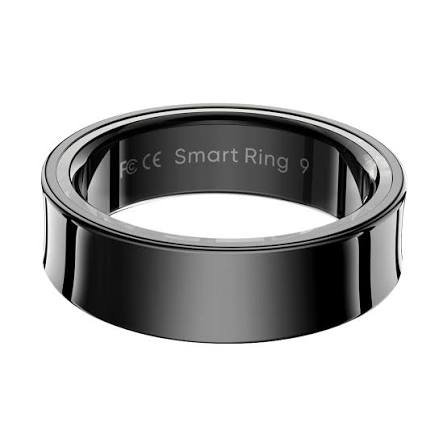
One particularly interesting development is the smart ring, a small wearable that can offer health-related tracking features in a discreet design. Products such as the COLMI R09 Smart Ring have attracted attention from people exploring compact alternatives to traditional wrist-worn devices. For shoppers seeking a budget smart ring with heart rate tracking, this category offers an opportunity to explore wearable technology without necessarily choosing a premium-priced product.
Understanding the different types of wearable devices and their practical applications can help consumers choose technology that fits their lifestyles, preferences, and budgets.
Understanding Wearable Technology
Wearable technology refers to electronic devices designed to be worn on the body. These products use sensors, wireless connectivity, software, and other technologies to collect information or provide convenient access to digital services.
Unlike traditional electronic devices, wearables are designed to accompany users throughout their daily routines. Many can connect to smartphones, allowing people to review information, adjust settings, and receive updates through dedicated applications.
Common examples include smartwatches, fitness bands, smart rings, smart glasses, wireless earbuds, and specialized health-monitoring devices.
The primary purpose of wearable technology is to make useful information more accessible. Instead of manually recording every activity or repeatedly checking a phone, users can rely on compatible wearables to gather selected information automatically.
However, features differ significantly between devices. Some focus primarily on communication, while others emphasize exercise tracking, sleep monitoring, navigation, or hands-free convenience.
H2: Smartwatches for Everyday Convenience
Managing Notifications and Communication
Smartwatches are among the most recognizable wearable devices. They allow users to view notifications, check incoming calls, read messages, and access selected smartphone functions from their wrists.
This convenience can be especially useful during busy workdays, shopping trips, or outdoor activities. A quick glance at a watch may provide enough information to decide whether a notification requires immediate attention.
Depending on the model, users may also respond to messages, control music playback, set reminders, and access voice assistants.
Organizing Daily Schedules
Time management becomes easier when reminders and calendar events are readily available. Smartwatches can display upcoming appointments, medication reminders where appropriate, meeting alerts, and daily task notifications.
These functions help people maintain an organized schedule without constantly opening multiple applications.
For students, professionals, and busy families, a smartwatch can serve as a convenient personal organizer. The usefulness of these features depends on smartphone compatibility, battery life, and the applications supported by the device.
Tracking Physical Activity
Many smartwatches include step counters, workout tracking, and heart rate sensors. Some models can also record GPS-based exercise routes, estimate energy expenditure, and provide information about sleep patterns.
These features encourage users to pay attention to their everyday activity levels. Nevertheless, measurements are estimates and should not replace professional medical assessments.
H2: Fitness Trackers for Healthier Routines
Encouraging Movement Throughout the Day
Fitness trackers are designed primarily to help users understand their movement patterns. They commonly record steps, active minutes, exercise sessions, and other activity-related information.
People who spend long periods sitting at a desk may benefit from movement reminders. A gentle notification can encourage a short walk or stretching break.
Over time, reviewing activity summaries can help users identify routines that work well for them and make realistic adjustments to their daily schedules.
Monitoring Sleep Patterns
Some fitness trackers estimate sleep duration and identify periods of movement during the night. More advanced models may provide estimates of different sleep stages or other overnight measurements.
Although these insights can help users recognize general patterns, consumer devices do not always measure sleep accurately. Their results are best treated as informational estimates rather than definitive medical findings.
Maintaining a consistent bedtime, creating a comfortable sleeping environment, and limiting unnecessary nighttime distractions remain important parts of a healthy sleep routine.
Supporting Personal Goals
Fitness trackers often let users establish flexible goals for movement, exercise, and consistency. The purpose is not to achieve perfect numbers every day but to develop habits that fit individual circumstances.
A useful wearable should provide understandable information without making activity tracking feel stressful or unnecessarily complicated.
H2: Smart Rings for Compact and Discreet Tracking
What Makes Smart Rings Different?
Smart rings offer many of the advantages associated with wearable technology in a much smaller form. Worn on a finger, these devices can incorporate sensors and electronic components into a compact ring-shaped design.
Depending on the product, a smart ring may track heart rate, estimate sleep duration, monitor activity, or collect other wellness-related measurements.
Unlike a smartwatch, a ring generally does not have a large display. Users usually review their information through a connected smartphone application.
This design can appeal to people who prefer minimal accessories or do not want another screen competing for their attention throughout the day.
Exploring a Budget Smart Ring With Heart Rate Tracking
For consumers interested in affordable wearable technology, a budget smart ring with heart rate tracking may provide an accessible starting point.
Before choosing a device, shoppers should consider which measurements it supports, how frequently it records information, whether it connects reliably to a smartphone, and how its companion application presents results.
Heart rate tracking can help users observe changes in their pulse during rest and everyday activity. However, accuracy varies according to sensor quality, fit, movement, skin contact, and other factors. A consumer smart ring should not be assumed to provide medical-grade measurements unless the relevant capability has been independently established.
Battery performance is another important consideration. Some rings require regular charging, while others may offer longer operating times depending on their features and usage.
Comfort also matters because a wearable intended for overnight tracking should fit appropriately without causing irritation or interfering with normal activities.
Getting to Know the COLMI R09 Smart Ring
The COLMI R09 Smart Ring is an example of a product that shoppers may investigate when comparing compact wearable devices. It is worth examining for people who want to explore ring-style technology rather than purchasing a traditional smartwatch.
When evaluating the colmi r09 smart ring, prospective buyers should confirm its current specifications through the seller or manufacturer. Important details include supported health measurements, smartphone compatibility, application features, battery life, charging arrangements, water-resistance rating, and available ring sizes.
It is also sensible to check whether the device provides continuous heart rate measurements or records them at intervals. These operating details can influence how useful the product is for different routines.
A lower purchase price may make a wearable attractive, but value depends on more than cost alone. Reliable connectivity, comfortable sizing, understandable software, and dependable customer support can make a significant difference to the overall experience.
Who Can Benefit From Smart Rings?
Smart rings may suit people who prefer subtle accessories, want a compact device for basic wellness tracking, or find larger wrist-worn products uncomfortable.
They can also be appealing to individuals who want to review activity and sleep information without checking a screen throughout the day.
However, a smart ring is not automatically better than a smartwatch or fitness tracker. People who need a visible display, detailed workout controls, or convenient message responses may find a wrist-worn device more practical.
The best choice depends on the user’s priorities rather than the size or appearance of the product.
H2: Wireless Earbuds and Smart Audio Devices
Making Communication Easier
Wireless earbuds have changed how people listen to audio and communicate while moving between activities. Many models support hands-free calls, allowing users to speak without holding a phone.
This can be convenient during household tasks, commuting, or remote work. Noise-reduction microphones and environmental noise-control features may also improve the listening experience, although performance differs between models.
Users should remain aware of their surroundings when wearing earbuds outdoors or near traffic.
Supporting Learning and Productivity
Wireless audio devices can make educational and professional content easier to access. People can listen to lectures, language lessons, audiobooks, and recorded meetings while performing appropriate everyday tasks.
Some earbuds also include touch controls, voice assistant support, and device-switching features.
For people who regularly attend online meetings, a comfortable headset or earbud design can help reduce the inconvenience of managing calls across different devices.
Choosing Comfortable Audio Technology
Battery life, sound quality, microphone performance, fit, and device compatibility are important purchasing considerations.
Users should also keep the listening volume at a reasonable level. Prolonged exposure to loud audio can damage hearing, so convenience should never come at the expense of hearing health.
H2: Smart Glasses for Hands-Free Information
Accessing Information While Moving
Smart glasses combine eyewear with selected digital capabilities. Depending on the model, they may include cameras, microphones, speakers, voice controls, or displays that present information within the user’s field of view.
Some products support hands-free photography, voice commands, navigation assistance, and audio playback.
These functions can reduce the need to take a phone out of a pocket when performing compatible tasks.
Potential Uses in Work and Education
Smart glasses may support certain professional activities by allowing workers to access instructions or communicate while keeping their hands available for other tasks.
In education, compatible systems may offer guided demonstrations, visual explanations, or remote assistance.
However, these applications depend on the specific product, software, and environment. Not every pair of smart glasses includes a display or advanced augmented-reality features.
Privacy is another consideration. Devices equipped with cameras and microphones should be used respectfully, with appropriate attention to consent and local rules.
H2: Wearable Devices for Better Time Management
Smart Reminders and Daily Planning
Wearable devices can help people manage their responsibilities by delivering reminders at convenient moments. Calendar alerts, timers, task notifications, and scheduled prompts can make it easier to stay organized.
For example, someone working on a project might use a smartwatch timer to structure a study session. Another person could use a wearable reminder to stand up after a long period of sitting.
These small functions can reduce the need to repeatedly check a smartphone.
Reducing Unnecessary Phone Use
Although wearable devices connect to smartphones, they may help users spend less time looking at their phone screens.
A short notification preview can provide enough information to determine whether a message needs attention. Some users may find this useful when concentrating on work, studying, or spending time with family.
Nevertheless, wearables can also introduce new distractions if notifications are not managed carefully. Turning off unnecessary alerts helps keep technology useful rather than intrusive.
H2: Important Features to Consider Before Buying
Compatibility and Application Support
Before purchasing any wearable device, check whether it works with your smartphone’s operating system. Some products require particular versions of Android or iOS, while others offer more limited compatibility.
The companion application should also be easy to navigate and provide the information you actually want to use.
Battery Life and Charging
Battery life influences how convenient a wearable is for everyday use. A device that requires frequent charging may be less suitable for someone who wants to track overnight patterns.
Check manufacturer estimates, charging times, and whether advertised battery performance assumes limited use of certain features.
Comfort, Durability, and Fit
Wearables should fit comfortably and suit the activities for which they are intended. For smart rings, accurate sizing is particularly important. For watches and fitness bands, strap material and adjustability can affect comfort.
Water resistance should also be checked carefully. A water-resistant rating does not automatically mean that a device is suitable for swimming, hot showers, or diving.
Privacy and Data Protection
Wearable devices may collect personal information about activity, sleep, heart rate, location, or other aspects of daily life.
Before using one, review the application’s privacy policy, permission requests, data-sharing settings, and account-security options.
Choose products from sellers that provide clear information about software support and data handling. Use strong account passwords and disable permissions that are not necessary for the features you want.
H2: How to Choose the Right Wearable for Your Lifestyle
The most suitable wearable depends on the problems you want technology to solve.
If communication and scheduling are your main priorities, a smartwatch may offer the broadest range of convenient features. If you mainly want activity summaries and basic exercise tracking, a fitness band may be sufficient.
If you prefer a compact accessory with wellness-related measurements, a smart ring may be worth exploring. Comparing products such as the COLMI R09 Smart Ring can help you understand which features are available at different price points.
For shoppers looking for a budget smart ring with heart rate tracking, it is especially important to compare specifications rather than relying on advertising claims alone. Look for clear details about supported measurements, battery performance, sizing, app compatibility, warranty coverage, and return policies.
Wireless earbuds may be the better choice for people who prioritize calls and audio, while smart glasses can appeal to users interested in hands-free digital access.
A practical approach is to select one device that addresses a genuine daily need instead of purchasing several products with overlapping functions.
H2: The Future of Wearable Technology
Wearable technology continues to develop as manufacturers explore smaller sensors, improved battery efficiency, better connectivity, and more intuitive applications.
Future devices may offer more personalized insights, improved integration with other smart products, and simpler ways to review daily activity patterns.
Artificial intelligence may also help wearable applications summarize information and identify changes in recorded trends. However, the usefulness of these developments will depend on data quality, transparency, privacy safeguards, and responsible design.
Healthcare-related applications require particular care. Consumer wearables can support awareness and help people prepare questions for healthcare professionals, but they should not replace professional diagnosis or emergency medical services.
As the market grows, consumers will likely continue to benefit from more varied designs and price options. Comparing verified features and practical usability will remain essential when choosing a device.
Conclusion
Wearable tech devices make daily activities easier by bringing useful information, communication tools, and personal tracking features closer to the user. Smartwatches help organize schedules, fitness trackers encourage awareness of movement, wireless earbuds simplify communication, and smart glasses offer selected hands-free functions.
Smart rings provide another option for people who value compact designs and convenient wellness tracking. Products such as the COLMI R09 Smart Ring are worth researching when comparing affordable ring-style wearables, provided buyers verify the current specifications and available features before making a purchase.
For anyone considering a budget smart ring with heart rate tracking, the key is to balance affordability with comfort, compatibility, reliable performance, and clear information about measurement limitations.
Ultimately, wearable technology works best when it supports real needs and fits naturally into everyday routines. By choosing carefully and using these devices thoughtfully, consumers can enjoy greater convenience, better organization, and a more informed approach to their daily activities.