
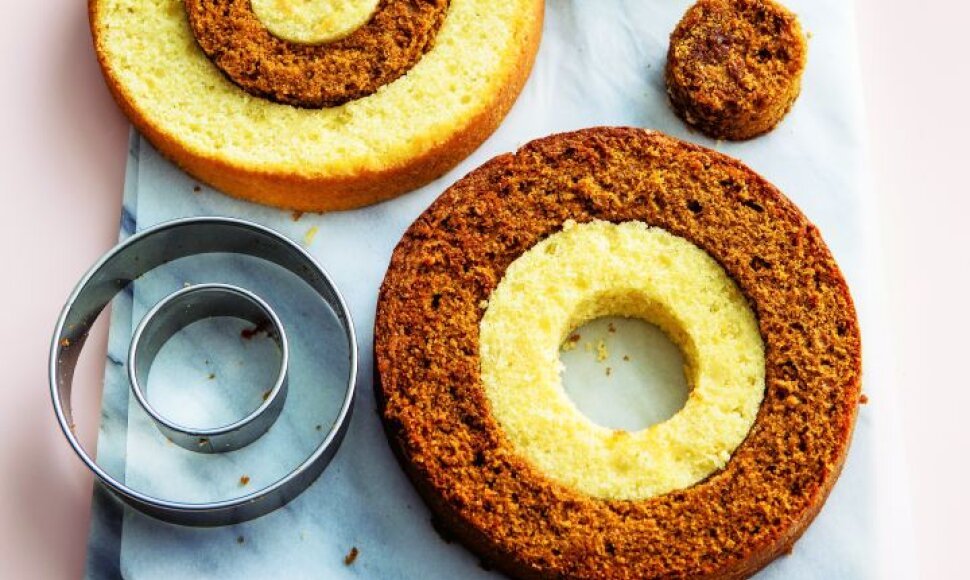
Lithuanian cuisine is known for its comforting traditional dishes, homemade pastries, and delicious desserts that bring families together. Among its beloved sweet treats is biskvitas, a light and airy sponge cake that can be enjoyed on its own or transformed into an elegant dessert with cream, fresh fruit, jam, or chocolate. Although the ingredients are simple, baking a perfect Lithuanian sponge cake requires attention to detail, careful mixing, and the right oven temperature.
Whether you are an experienced baker or preparing your first homemade cake, learning the techniques behind a traditional biskvitas can help you achieve a soft texture, delicate flavor, and beautifully risen shape. With the right preparation and a little patience, you can create a cake that tastes wonderful and looks impressive on any occasion.
Understanding the Tradition of Lithuanian Biskvitas
Biskvitas is a classic sponge cake commonly used as the foundation for many European-style desserts. In Lithuanian homes, sponge cake can be served during family celebrations, birthdays, holidays, and casual gatherings. Its appeal comes from its simplicity and versatility.
Traditional sponge cakes typically rely on eggs, sugar, and flour rather than large quantities of butter or oil. The air incorporated into the beaten eggs helps the cake rise, creating its characteristic light structure. Some recipes include a small amount of baking powder, while others depend almost entirely on properly whipped eggs.
One of the best qualities of biskvitas is its ability to complement different fillings. It can be layered with whipped cream, berry preserves, custard, or fresh seasonal fruit. The cake also absorbs flavored syrups beautifully, making it suitable for more elaborate desserts.
Ingredients for the Perfect Sponge Cake
Choosing good-quality ingredients is the first step toward baking a successful Lithuanian sponge cake. Because the recipe contains relatively few ingredients, each one plays an important role in the final result.
Essential Ingredients
For one standard round cake, approximately 20 centimeters in diameter, gather the following ingredients:
- 4 large eggs at room temperature
- 120 grams of granulated sugar
- 120 grams of all-purpose flour
- 1 teaspoon of vanilla extract
- A small pinch of salt
- 1/2 teaspoon of baking powder, optional
Eggs provide structure and help create the cake’s airy texture. Sugar adds sweetness while stabilizing the beaten egg mixture. Flour gives the sponge its shape, and vanilla contributes a pleasant aroma.
For a more traditional preparation, you can omit the baking powder and rely on the air incorporated during whipping. However, beginners may find a small amount helpful when learning the process.
Measure every ingredient before starting. Accurate measurements help maintain the balance between moisture, structure, and sweetness.
Preparing Your Kitchen and Baking Pan
Before mixing the ingredients, preheat your oven to 170°C (340°F). Allow sufficient time for the oven to reach the correct temperature so the cake begins baking evenly.
Prepare a round cake pan by lining its base with parchment paper. Depending on your recipe and pan, you may lightly grease the base, but avoid heavily greasing the sides if you want the sponge to cling to them as it rises.
Make sure your mixing bowl and beaters are clean and free from grease. Even small amounts of fat can interfere with the egg-whipping process, particularly when egg whites are beaten separately.
Separate the ingredients carefully if your chosen recipe requires this method. Keep egg yolks and whites free from shell fragments, and avoid getting yolk into the whites when whipping them independently.
The Secret to a Light and Airy Texture
The defining feature of a successful biskvitas is its delicate, airy crumb. Achieving this texture depends largely on how effectively air is incorporated into the eggs and how carefully that air is preserved during mixing.
Whipping the Eggs and Sugar
Place the eggs and sugar in a large mixing bowl. Beat them using an electric mixer for approximately 6–10 minutes, depending on the equipment and the temperature of the ingredients.
The mixture should become pale, thick, and noticeably increased in volume. When you lift the beaters, the mixture should fall back into the bowl in ribbons that remain visible briefly before disappearing.
This stage is crucial because the trapped air helps the sponge expand in the oven. If the eggs are under-whipped, the finished cake may be dense or flat.
Add the vanilla extract and mix briefly to combine.
Folding in the Flour
Sift the flour and salt together to remove lumps and make the ingredients easier to incorporate. Add the flour gradually to the egg mixture.
Using a flexible spatula, gently fold the flour into the mixture with slow movements. Scoop from the bottom of the bowl and bring the mixture over the top, rotating the bowl as you work.
Avoid vigorous stirring or beating at this stage. Excessive mixing can remove the air that gives the sponge its light texture.
Continue folding only until the flour is incorporated. A few extra seconds of gentle mixing are preferable to leaving large pockets of dry flour, but the mixture should not be overworked.
Baking Your Lithuanian Sponge Cake
Pour the finished batter into the prepared cake pan and gently smooth the surface. Transfer the pan to the center rack of the preheated oven.
Bake for approximately 25–35 minutes. The exact baking time depends on your oven, pan dimensions, and batter thickness.
During the first 20 minutes, avoid opening the oven door unnecessarily. Sudden temperature changes can cause the delicate sponge to collapse before its structure has fully set.
The cake is ready when the top is lightly golden, the center springs back gently when touched, and a wooden skewer inserted into the middle comes out clean or with only a few dry crumbs.
Once baked, remove the pan from the oven and allow the cake to rest briefly. Run a thin knife around the edges if needed, then carefully remove the sponge from the pan. Let it cool completely on a wire rack before slicing or decorating.
Common Mistakes to Avoid
Even a simple sponge cake can be challenging when a few important techniques are overlooked. Understanding common mistakes makes it easier to produce a consistent result.
Overmixing the batter: Mixing too aggressively after adding flour removes air and can make the cake heavy. Fold gently and stop as soon as the ingredients are combined.
Using cold eggs: Cold eggs may take longer to whip and can produce less volume in some mixing methods. Room-temperature eggs are generally easier to incorporate into a stable mixture.
Opening the oven too early: An underbaked sponge can sink when exposed to a sudden drop in temperature. Wait until the cake is close to fully baked before checking it.
Measuring flour incorrectly: Too much flour creates a dry, dense texture. Weighing ingredients with a kitchen scale provides greater accuracy than estimating quantities with cups.
Cutting the cake while warm: A warm sponge is delicate and may crumble when sliced. Cooling it completely helps the structure settle and makes cutting easier.
Delicious Ways to Serve Biskvitas
A freshly baked Lithuanian sponge cake is delicious with a light dusting of powdered sugar and a cup of tea or coffee. However, its neutral sweetness also makes it an excellent base for creative desserts.
For a simple presentation, serve slices with fresh strawberries, raspberries, blueberries, or other seasonal fruits. A spoonful of whipped cream adds richness without overwhelming the sponge’s delicate flavor.
You can also cut the cooled cake horizontally into two or three layers. Spread berry jam, vanilla cream, or lightly sweetened whipped cream between the layers, then decorate the top with fruit or chocolate shavings.
For a more festive dessert, brush the sponge lightly with a fruit syrup before adding the filling. This technique helps keep the cake moist while introducing additional flavor. Be careful not to use too much liquid, as excessive moisture can make the sponge soggy.
If you prefer a traditional homemade appearance, keep the decoration simple. A modest filling and a light coating of cream allow the texture and flavor of the cake to remain the main attraction.
Storing Your Homemade Sponge Cake
Proper storage helps preserve the freshness and texture of your biskvitas. If the cake is undecorated, allow it to cool completely before wrapping it tightly or placing it in an airtight container. Store it at room temperature for up to two days, provided the environment is cool and dry.
If the weather is hot or humid, refrigeration may be preferable, although it can make an unfilled sponge somewhat firmer. Bring it toward room temperature before serving for a softer texture.
Cakes containing whipped cream, custard, or other perishable fillings should be refrigerated promptly and kept covered. For longer storage, an undecorated sponge can be wrapped securely and frozen for up to two months. Thaw it while wrapped to help prevent moisture loss.
Conclusion
Baking the perfect Lithuanian sponge cake is all about mastering a few fundamental techniques: measuring ingredients accurately, whipping eggs until they are thick and airy, folding flour gently, and baking at a steady temperature. These simple steps help produce a soft, delicate cake that can be enjoyed in countless ways.
Traditional biskvitas demonstrates how basic ingredients can become something special when handled with care. Whether served plain with tea, layered with jam and cream, or decorated for a celebration, this homemade sponge cake offers a delicious introduction to Lithuanian baking. With practice and attention to detail, you can create a consistently light, flavorful cake that deserves a place in your collection of favorite recipes.