
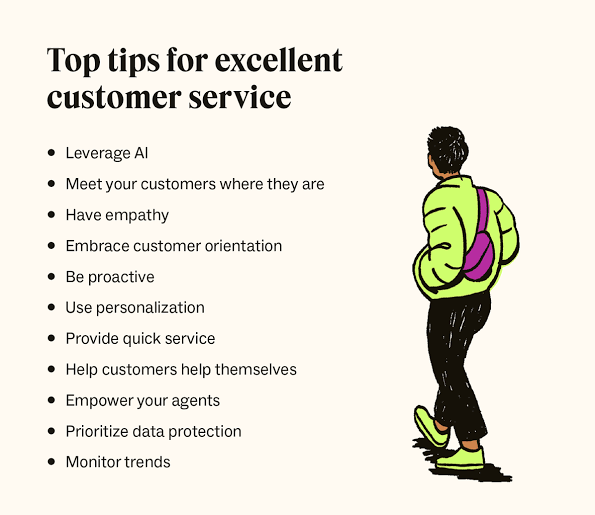
Exceptional client service is more than answering questions quickly or completing a task on time. It is the ability to understand what clients need, communicate Michael Rustom clearly, solve problems effectively, and create an experience that makes people feel valued. Businesses that consistently provide excellent service are often able to build stronger relationships, encourage repeat business, and develop a positive reputation.
Having the expertise to perform exceptional client service does not happen overnight. It requires knowledge, communication skills, patience, organization, and a commitment to continuous improvement. By developing these qualities, professionals can handle different client situations with confidence and deliver a consistently high standard of service.
Understand Your Clients and Their Expectations
The foundation of exceptional client service is understanding the people you serve. Every client has different goals, preferences, challenges, and expectations. Before offering a solution, take time to understand the client’s actual needs.
Ask thoughtful questions and listen carefully to the answers. Instead of assuming what a client wants, clarify important details such as deadlines, desired outcomes, budget limitations, and specific concerns.
Active listening is especially valuable because clients want to feel heard. When a professional pays attention and responds directly to the client’s concerns, it becomes easier to create a solution that genuinely addresses the problem.
Develop Strong Industry Knowledge
Expertise gives professionals the confidence to provide useful and accurate assistance. Clients often rely on service providers because they expect them to understand their industry, products, or services.
Stay informed about developments in your field. Read industry publications, attend training sessions, follow relevant trends, and learn from experienced professionals. The more knowledge you develop, the easier it becomes to answer questions and recommend appropriate solutions.
However, expertise does not mean pretending to know everything. If you do not know the answer to a question, be honest and find the correct information. Providing an accurate answer later is far better than giving a misleading response simply to appear knowledgeable.
Improve Communication Skills
Clear communication is one of the most important parts of exceptional client service. Even an excellent solution can create frustration if it is poorly explained.
Use simple and professional language when communicating with clients. Avoid unnecessary technical terms unless the client understands them. Explain processes, expectations, and next steps in a way that is easy to follow.
Written communication also matters. Emails, messages, proposals, and reports should be clear, organized, and free from avoidable errors. Before sending important communication, review it to ensure that the message answers the client’s questions and provides the necessary information.
Learn to Manage Expectations
Many client-service problems occur because expectations are unclear. A professional should establish realistic expectations from the beginning.
Be transparent about timelines, pricing, deliverables, limitations, and potential challenges. If circumstances change, communicate the update as soon as possible rather than waiting for the client to discover the problem.
Managing expectations does not mean promising everything a client requests. It means explaining what can realistically be achieved and offering alternatives when necessary.
For example, if a project cannot be completed by an unrealistic deadline, explain why and suggest a practical schedule. Honest communication can protect the relationship and demonstrate professionalism.
Become an Effective Problem Solver
Exceptional client service requires the ability to solve problems rather than simply identify them. Clients may approach a business because something has gone wrong, a process is confusing, or they need help achieving a particular objective.
Develop a structured approach to problem-solving. First, identify the exact issue. Then determine its cause, consider possible solutions, and select the most practical option. After implementing the solution, check whether it actually resolved the client’s concern.
Experience can improve problem-solving ability because professionals encounter different situations over time. Keeping notes about challenging cases and successful solutions can also create a valuable knowledge base for future situations.
Practice Empathy and Patience
Clients may sometimes be frustrated, confused, or under pressure. Responding defensively can make a difficult situation worse. Instead, practice empathy.
Empathy means recognizing the client’s perspective and responding respectfully. You do not necessarily have to agree with every complaint, but you can acknowledge the concern and focus on finding a constructive solution.
Patience is equally important. Some clients may need additional explanations or reassurance. Maintaining a calm and professional attitude helps create a more positive interaction.
Use Organization and Time Management
Excellent service depends partly on reliable organization. Missed deadlines, forgotten requests, and delayed responses can quickly damage a client’s confidence.
Use calendars, task-management systems, reminders, or project-management software to keep track of responsibilities. Prioritize urgent matters while ensuring that important long-term tasks do not get overlooked.
Set realistic response times and try to meet them consistently. If a complete answer will take longer, send a brief update so the client knows the request is being handled.
Take Responsibility for Mistakes
Mistakes can happen in any professional environment. What matters is how they are handled.
When an error occurs, avoid unnecessary excuses or blaming other people. Acknowledge the problem, explain the corrective action, and work toward a solution. Taking responsibility demonstrates maturity and reliability.
After resolving the issue, consider what caused the mistake and how the process can be improved. This turns an unpleasant experience into an opportunity for professional development.
Personalize the Client Experience
Clients appreciate service that feels personal rather than automatic. Personalization does not have to involve complicated systems. Sometimes small details make a meaningful difference.
Remember relevant preferences, previous discussions, project requirements, or important deadlines. Address the client appropriately and tailor recommendations to their specific situation.
Instead of giving every client the same response, consider what would be most useful for that particular person. This demonstrates attention to detail and creates a stronger professional relationship.
Ask for Feedback and Keep Improving
One of the best ways to develop client-service expertise is to ask for feedback. Clients can provide valuable insight into what is working and what could be improved.
Feedback can be collected through direct conversations, surveys, reviews, or follow-up messages. Do not treat criticism as a personal attack. Look for useful information that can improve future performance.
It is also helpful to review your own work regularly. Ask yourself whether you communicated clearly, met expectations, solved the client’s problem, and provided a smooth experience.
Build Long-Term Professional Relationships
Exceptional client service is not only about completing individual transactions. It is about building trust over time.
Be dependable, communicate consistently, and demonstrate genuine interest in helping clients achieve their goals. Avoid focusing solely on making a sale or completing a task. Long-term relationships are often built when clients recognize that a professional is reliable even when there is no immediate benefit.
Trust develops through repeated positive experiences. When clients know they can depend on you, they are more likely to return and recommend your services to others.
Conclusion
Learning how to have the expertise to perform exceptional client service requires a combination of knowledge, communication, empathy, organization, and problem-solving ability. Professionals who understand their clients, manage expectations, respond responsibly, and continually improve can create experiences that go beyond basic customer support.
Exceptional service is ultimately about making every interaction useful, respectful, and dependable. By developing expertise while keeping the client’s needs at the center of every decision, professionals can strengthen relationships, solve problems more effectively, and create lasting value for both clients and their businesses.